Kibbutz Vegetable Salad
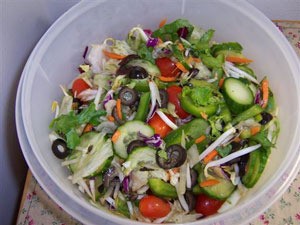
- Preparing Time: -
- Total Time: -
- Served Person: Yield: 4 to 6 servings
- 3 tablespoons olive oil
- juice of 1 lemon
- 2 cloves garlic, minced
- 1 red bell pepper
- 1 green bell pepper
- 1 onion
- 1 yellow bell pepper
- salt and freshly ground pepper to taste
- Carbohydrate 11 g(4%)
- Fat 7 g(11%)
- Fiber 3 g(10%)
- Protein 2 g(4%)
- Saturated Fat 1 g(5%)
- Sodium 466 mg(19%)
- Calories 107
My Kibbutz Salad Adventure: A Taste of Israel in My Kitchen
As a busy working mom, finding time to cook healthy and delicious meals can often feel like a Herculean task. But recently, I discovered a recipe that has become a regular staple in our household – the Kibbutz Vegetable Salad. It’s incredibly simple, refreshingly vibrant, and packed with flavor, making it a perfect weeknight dinner or a delightful addition to any gathering.
This salad isn’t just a quick meal; it’s a journey. Each bite transports me to the bustling markets of Israel, filled with the aroma of fresh herbs and ripe vegetables. The recipe itself is surprisingly minimalist, relying on the natural sweetness and freshness of the ingredients. The key, I’ve discovered, lies in the careful dicing of the vegetables—tiny pieces are essential for that authentic Israeli touch. It’s a testament to how simple ingredients, combined with a bit of care and attention, can create something truly extraordinary.
Beyond the ease of preparation, the Kibbutz Salad offers a wonderful versatility. I’ve experimented with different combinations of peppers—sometimes adding orange bell peppers for an extra burst of color and sweetness. The type of cucumber also matters—I’ve found the smaller, firmer varieties hold their shape better and provide a delightful crunch. Sometimes I add a handful of Kalamata olives for a briny tang, or even some crumbled feta cheese for a creamy counterpoint.
The dressing is equally crucial. The balance of lemon juice, garlic, and olive oil is divine. A subtle hint of sumac or za'atar elevates the salad to another level, adding a layer of complexity that is both intriguing and delicious. I’ve started keeping both these spices on hand, as they’ve become indispensable additions to my cooking repertoire. Sumac, with its tart, fruity notes, adds a unique depth, while za'atar's blend of oregano, sesame, and sumac creates a beautifully fragrant and slightly earthy flavor.
The salad is far more than just a recipe; it's a cultural experience in a bowl. It’s a taste of tradition, a reflection of simple yet profound flavors, and a reminder that sometimes the most satisfying meals come from the simplest of ingredients. It’s a testament to the creativity and resourcefulness of Israeli cuisine and a fantastic introduction to the richness of Middle Eastern flavors. I’ve found this salad to be a perfect way to introduce my family – and my friends – to the vibrant world of Israeli culinary traditions.
More than just a side dish, this salad is a conversation starter. It's sparked discussions about Israeli culture, family meals, and the simple beauty of fresh, seasonal ingredients. It’s a meal that fosters connections and creates memories, one bite at a time. From quick weeknight dinners to family gatherings, this salad consistently impresses. It’s easy, delicious, and a surprisingly delightful journey into a new culinary landscape – right there in my own kitchen.
The best part? It’s a recipe that easily adapts to whatever vegetables I have on hand. It's incredibly forgiving, and the flavor combinations are endless. This means less food waste and more delicious meals! I highly recommend adding this salad to your regular cooking rotation; it’s become a true favorite in our home, and I suspect it will become one of yours too.
So, grab some fresh vegetables, a little olive oil, and a whole lot of zest! Get ready for an adventure in flavor with this surprisingly simple, incredibly delicious Kibbutz Vegetable Salad.
Step-by-step
- Remove the pith and seeds from the peppers and dice them along with the tomatoes, onion, and cucumber. Toss together in a wooden or ceramic bowl.
- In a separate small bowl, stir together the salt, pepper, lemon juice, and garlic. Slowly whisk in the olive oil. Pour over the vegetables, mix, sprinkle with sumac or za'atar, and serve.



