Halvah
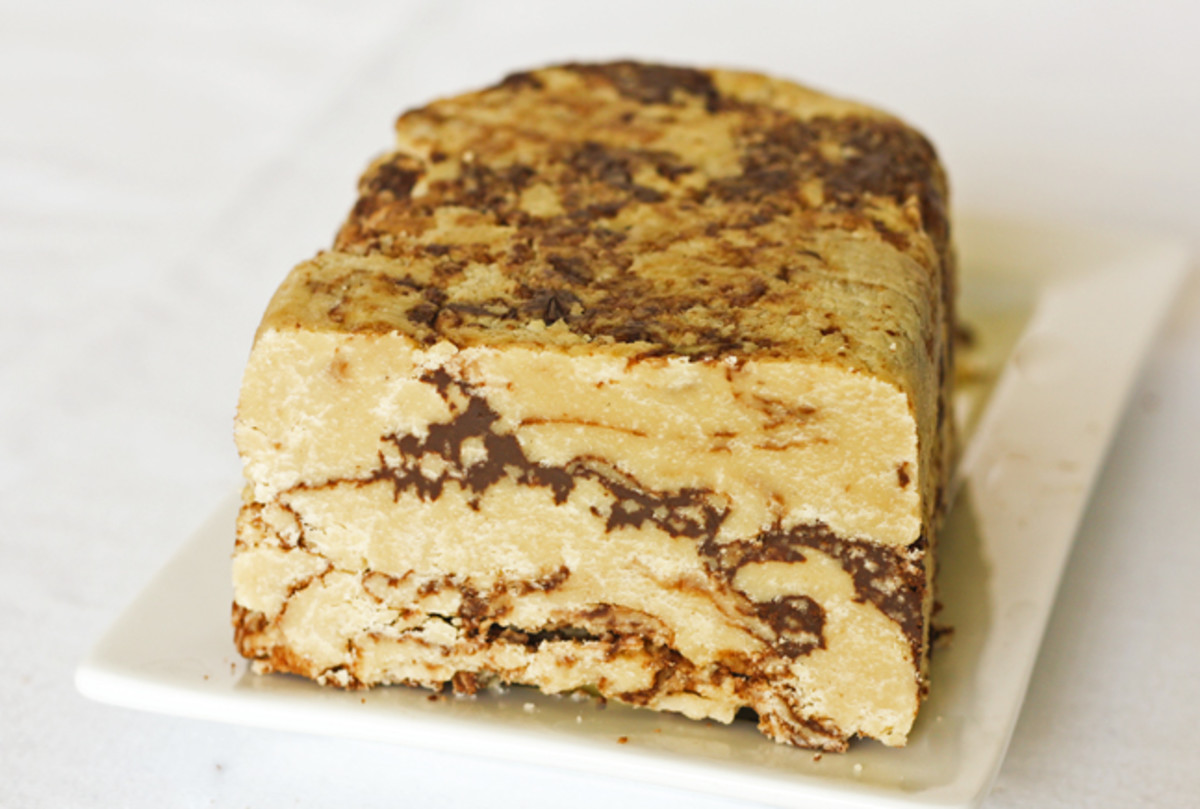
- Preparing Time: -
- Total Time: -
- Served Person: Makes about 20 squares
- 1 teaspoon ground cinnamon
- 2 cups water
- 2 cups flour
- 1 cup vegetable oil
- 1 cup chopped walnuts
- spatula
- 1 1/2 cups sugar
- wooden spoon
- measuring cups
A Taste of Persia: My Family's Halvah Tradition
The scent of warm cinnamon and toasted flour always takes me back to my childhood. It's the aroma of halvah, a sweet treat deeply woven into the fabric of my family's history. My grandmother, a woman whose hands were as capable of creating intricate Persian rugs as they were of stirring a pot of fragrant halvah, taught me this recipe. It's not just a recipe; it's a story, a legacy passed down through generations, a tangible link to our Persian heritage.
Halvah, in our family, isn't just a dessert; it's a celebration. It's the sweet ending to Purim, the joyful holiday that commemorates Queen Esther's courage. I remember as a child, the anticipation building as the fast of Esther drew to a close. The air would buzz with excitement – the thrill of the holiday, the anticipation of the delicious treats to come, the joy of shared family moments. And at the heart of it all was the halvah, a golden, nutty confection that perfectly captured the spirit of the occasion. The warm, comforting taste of it, still brings a smile to my face.
Making halvah is more than just following a set of instructions; it’s an experience, a connection to my past. Each step, from carefully browning the flour to the satisfying clink of walnuts being folded in, is a small act of remembrance, a nod to the women who came before me. I share this recipe not just as a culinary tradition, but as a way to connect with others. The simple act of sharing food, of creating something together, is powerful. It builds bridges, transcends boundaries, and fosters a sense of community.
I often think about the Iranian teacher who shared this recipe with my daughter in nursery school. It’s a testament to the power of shared culinary traditions in building connections across cultures and generations. Cooking this halvah with my children isn't just about teaching them a recipe; it’s about instilling in them a sense of pride in our heritage, and the importance of cherishing family traditions.
The process itself, the careful browning of the flour, the gentle stirring of the ingredients, it all lends itself to a meditative quality. It is a mindful exercise in patience and attention to detail; a moment to disconnect from the daily hustle and reconnect with myself and my heritage. It’s a simple pleasure, but it’s a powerful one, reminding me of the rich tapestry of my past, and the enduring sweetness of family traditions.
This halvah is more than just a dessert; it's a piece of my soul, a taste of home, a reminder of the strength, resilience, and love that define my family's story. It’s a recipe for halvah, yes, but also a recipe for connection, for community, and for cherishing the traditions that bind us together.
So, gather your family, and let the warm, comforting aroma of halvah fill your kitchen. Let it be a reminder of the simple pleasures in life, the importance of heritage, and the sweet taste of shared moments.
More than just a dessert, halvah is a conduit to the past, a bridge to the future, and a delicious symbol of a life well-lived and well-loved. Try this recipe and experience the magic of tradition for yourself.
Enjoy the sweet taste of history, family, and connection.
Step-by-step
- Adult with Child: In a frying pan, brown the flour over low heat, watching constantly, for about 20 minutes, stirring occasionally. Remove from heat.
- Child: To the flour, add the sugar, cinnamon, and oil. With the pan off the heat, stir for about 5 minutes, keeping the mixture a light brown color.
- Adult: Add the water and reheat, stirring for about 5 minutes, until the halvah thickens. Then cover and simmer slowly for 5 minutes more. Fold in the walnuts.
- Child: Let cool, then cut into squares.



