Jennie June's Brown Fricassée Chicken
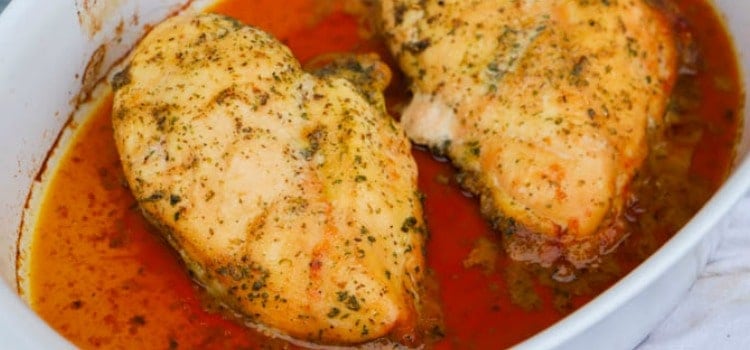
- Preparing Time: -
- Total Time: -
- Served Person: Yield: 6 servings (M)
- 1/2 cup water
- 6 tablespoons olive oil
- 1/2 teaspoon allspice
- 1 sprig fresh thyme
- 1 clove garlic, minced
- salt and freshly ground pepper to taste
- 1 4-pound frying chicken, cut up into 8 pieces
- 6 medium onions, sliced in rings
- 2 tomatoes, peeled, or 1 16-ounce can stewing tomatoes with liquid
- dash of mace
- Carbohydrate 13 g(4%)
- Cholesterol 154 mg(51%)
- Fat 45 g(69%)
- Fiber 3 g(11%)
- Protein 40 g(80%)
- Saturated Fat 11 g(54%)
- Sodium 1138 mg(47%)
- Calories 618
Jennie June's Brown Fricassée Chicken: A Taste of History
As a lifelong home cook with a passion for history, I'm always on the lookout for recipes that tell a story. Jennie June's Brown Fricassée Chicken, unearthed from Jennie June Croley's 1866 cookbook, is one such recipe. It's more than just a delicious dish; it's a window into the culinary landscape of 19th-century America and a testament to the cross-cultural exchange that shaped our food traditions. The recipe itself, attributed to a "superior Jewish housekeeper in New York," offers a glimpse into the rich culinary heritage of the Jewish community in that era, a heritage often overlooked in broader historical narratives.
What truly captivated me about this recipe wasn't just its historical significance, but its remarkable simplicity and deliciousness. The slow, deliberate cooking process allows the flavors to meld beautifully. The onions, gently sautéed until golden, form the heart of the dish, their sweetness enhanced by the subtle warmth of nutmeg, mace, and thyme. The chicken, browned to perfection, absorbs the rich flavors of the onions and the simmering sauce, resulting in a tender, succulent main course that's both comforting and surprisingly sophisticated. This dish transcends its age; it’s a classic for a reason. The technique is timeless – a slow cook with aromatic vegetables creating a symphony of flavor. It’s not just about following a recipe; it’s about understanding the story behind the ingredients and the care that went into creating a meal.
I love the idea that this recipe was shared, passed down, and ultimately preserved in a cookbook that helped shape American culinary history. It’s a reminder that food is not just sustenance, but a vehicle for connection, for sharing stories across generations and cultures. The seemingly simple act of preparing this fricassee connects me to Jennie June, to Genie H. Rosenfeld, and to the countless cooks who have prepared this dish over the years. It’s a feeling of belonging to a long and delicious lineage, a culinary family tree with roots stretching back more than a century.
The beauty of this recipe lies in its versatility. While the original recipe calls for a specific list of ingredients, don’t be afraid to experiment! The foundational elements remain the same: the slow-cooked onions, the tender chicken, and the aromatic spices. Feel free to adjust the seasoning to your liking, to add other vegetables, or to pair the fricassee with different sides. Perhaps a creamy polenta or a simple green salad would complement the richness of the dish beautifully. The possibilities are endless!
Making Jennie June's Brown Fricassée Chicken is an experience. It's more than just following instructions; it's engaging in a culinary conversation across time. It's about appreciating the care and attention to detail that went into creating this recipe, and it's about sharing that appreciation with those you love. So gather your ingredients, find a quiet space in your kitchen, and allow yourself to be transported to a bygone era while savoring the rich flavors of this truly exceptional dish. The aroma alone is worth the effort! It's an experience that goes beyond the simple act of cooking; it’s a journey through time, connecting you to the past while nourishing you in the present.
Beyond the historical and culinary significance, Jennie June's Brown Fricassée Chicken serves as a reminder of the importance of preserving and celebrating our diverse culinary heritage. Each recipe tells a story, a story that can be shared, adapted, and enjoyed for generations to come. So let's continue to explore these culinary treasures, to uncover their secrets, and to appreciate the rich tapestry of flavors that has shaped our world.
So, the next time you’re looking for a recipe that is both delicious and meaningful, consider giving Jennie June's Brown Fricassée Chicken a try. It's a dish that's sure to become a family favorite, a taste of history that's as vibrant and engaging as the story it tells.
Step-by-step
- Brown the chicken in 2 tablespoons of the oil in a heavy sauté pan and set aside.
- Drain the pan, add the remaining oil, and simmer the onions very slowly, covered, for about 15 minutes or until soft. Remove the cover, add the garlic, and sauté until the onions are golden.
- Add the tomatoes and simmer a few minutes. Then add the chicken, the thyme, salt, pepper, allspice, mace, and water. Cover and cook for a half hour or until the chicken is tender, adding water if sauce is too thick.



