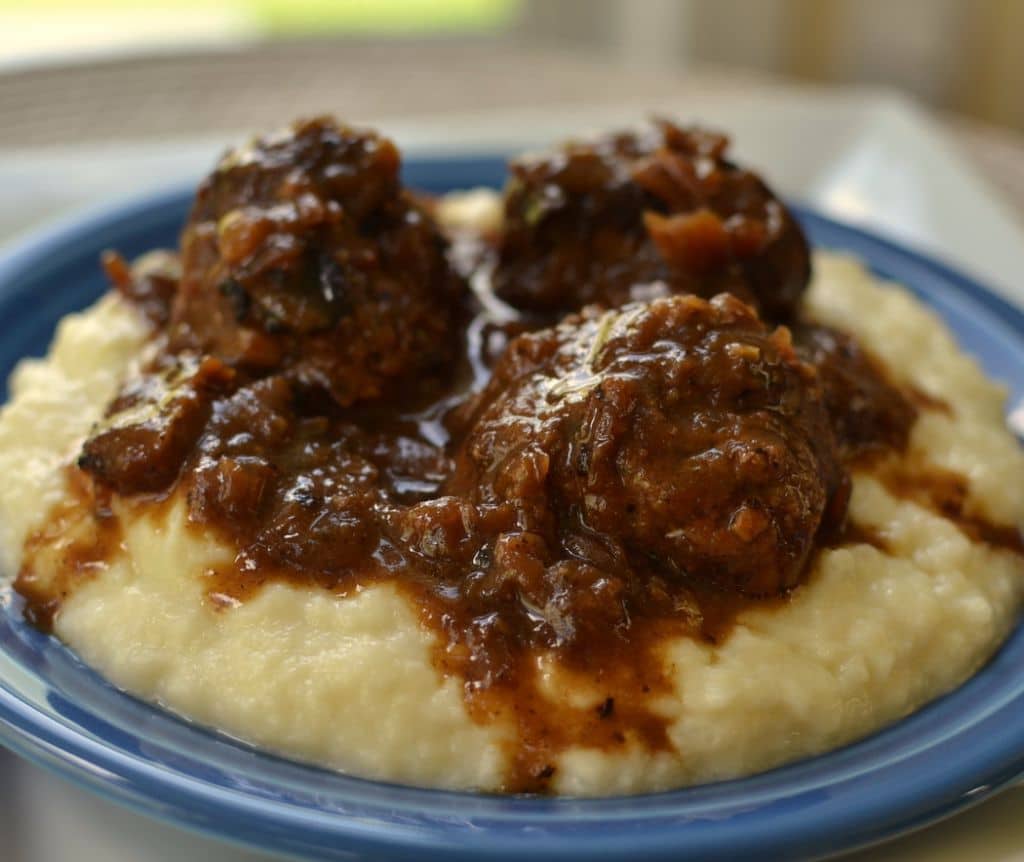
I love this served over pasta.
- Carbohydrate 7.02683333333333 g
- Cholesterol 0 mg
- Fat 2.45871666666667 g
- Fiber 2.76166667540868 g
- Protein 2.25453333333333 g
- Saturated Fat 0.355975 g
- Serving Size 1 1 Serving (159g)
- Sodium 259.254666666667 mg
- Sugar 4.26516665792465 g
- Trans Fat 0.09948 g
- Calories 53 calories
Step-by-step
- heat oil in pot large enough to hold all ingredients
- add minced onion and cook down on medium to low heat until the onion is carmalized with its own natural sugars
- add broth a little at a time to the pot to avoid the vegetable from sticking but do not add so much that the onion is boiling in broth
- when the onions are fully cooked add the cauliflower, give it a stir and cover the pan
- check the pan from time to time to ensure nothing is sticking - give all a stir and add broth as needed
- when the cauliflower is tender and soft enough to mash down, use a potato masher to smash the cauliflower in the pot - smash into bite size pieces.
Limited pot space often compromises vegetable dishes, but this preparation bypasses crowding constraints by relying on gradual moisture reduction and controlled steam. Cooking requires a heavy-bottomed pot large enough to hold the entire head of florets without stacking them excessively high, ensuring even heat distribution across the base where the onions caramelize. Managing the liquid addition prevents scorching while concentrating the natural sugars of the onions.
Scaling and Volume Adjustments
Adapting vegetable mashes requires attention to surface area rather than just doubling ingredient weights. Doubling this recipe means upgrading from a standard three-quart saucepan to a wider six-quart Dutch oven, because stacking too many florets traps steam and creates watery spots instead of proper softening. When scaling down to serve two people, cut the broth by half but maintain a similar pan diameter if possible, compensating for rapid evaporation by adding liquid in tablespoon increments rather than quarter-cup splashes.
- Test doneness by pressing a floret against the side of the pot with a wooden spoon; if it yields completely with zero resistance, the cellular walls have broken down sufficiently for mashing.
- Watch the onion color closely as the broth reduces, aiming for a deep amber hue that signals full sugar conversion without burnt bitterness.
- Store leftovers in an airtight glass container in the refrigerator for up to four days, reheating gently on the stovetop with a splash of water to restore moisture balance.



