Low-fat High Fiber Blueberry Bran Muffins
Blueberry Bran Muffins are moist, loaded with flavor, and a great source of fiber and protein
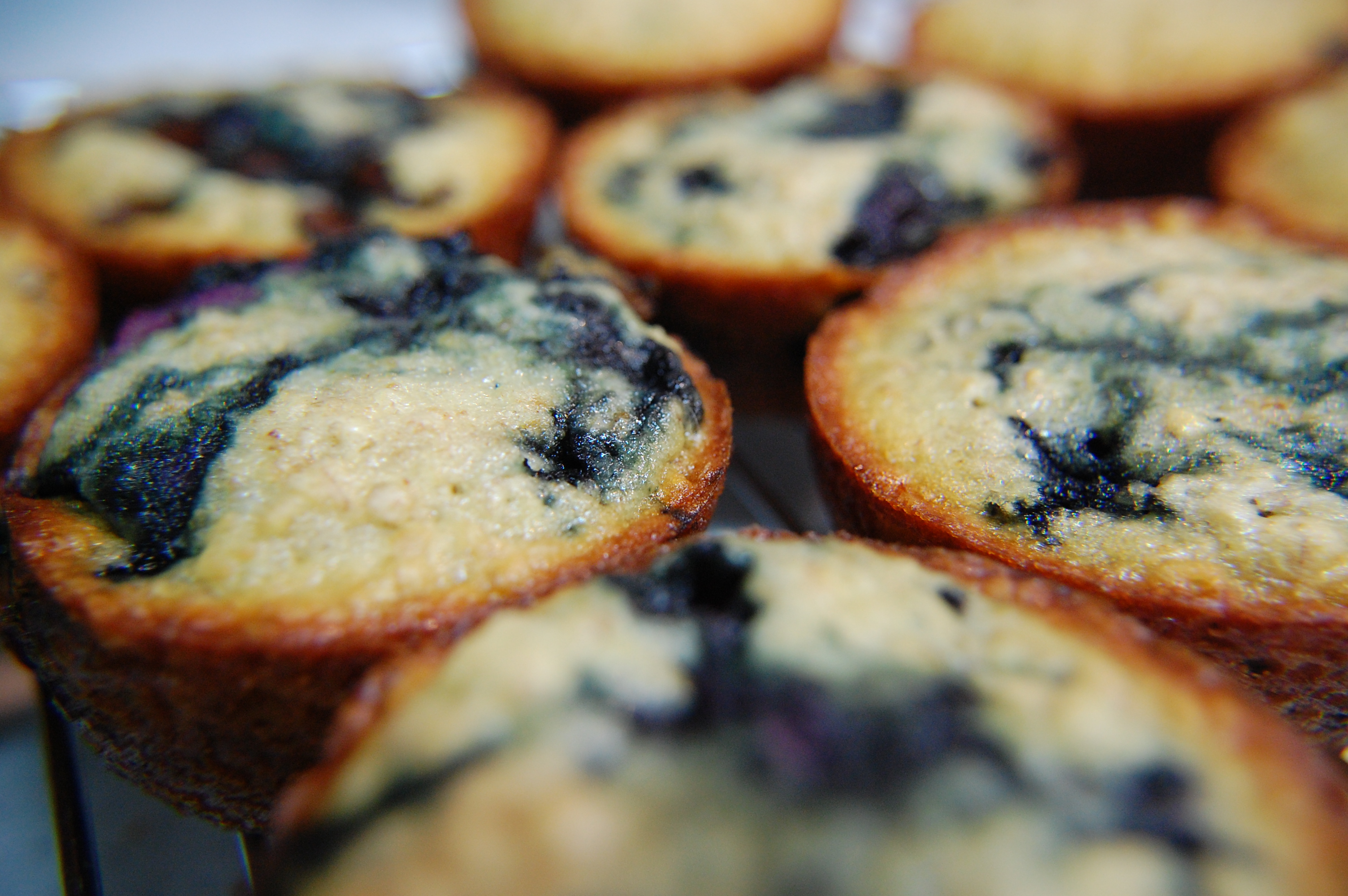
Blueberry Bran Muffins are moist, loaded with flavor, and a great source of fiber and protein
- Carbohydrate 36.3639025 g
- Cholesterol 18.0333333333333 mg
- Fat 2.16014666666667 g
- Fiber 3.80468331490705 g
- Protein 6.6891875 g
- Saturated Fat 0.422020416666667 g
- Serving Size 1 1 Serving (91g)
- Sodium 254.576083333333 mg
- Sugar 32.559219185093 g
- Trans Fat 0.3807105 g
- Calories 182 calories
Step-by-step
- Preheat oven to 375 degrees.
- Grease muffin cups or use paper muffin liners.
- Mix together wheat bran and milk, and let stand for 10 minutes. (I didn't do this and muffins turned out fine.).
- In a large bowl, mix together applesauce, egg, brown sugar, and vanilla.
- Beat in bran mixture.
- Sift together all-purpose flour, whole wheat flour, baking soda, baking powder, and salt.
- Stir into bran mixture until just blended. Fold in blueberries.
- Scoop into muffin cups.
- Bake in preheated oven for 15 to 20 minutes, or until tops spring back when lightly tapped.
Pairing Dynamics
Traditional enriched breakfast pastries often rely on excessive butter and heavy fats to carry fruit flavors, whereas bran-based formulations depend on density and moisture retention from ingredients like unsweetened applesauce. Pair these fibrous muffins with acidic or protein-dense accompaniments to balance the earthy profile of the wheat bran. Greek yogurt spiked with lemon zest provides a sharp contrast that cuts through the sweetness of the brown sugar, while a bitter dark roast coffee highlights the nutty characteristics of the whole wheat flour. Avoid overly sweet fruit preserves on the side, as the blueberries inside already supply concentrated pockets of fruit sugar.
Structural Behavior
Achieving a tender crumb relies on minimal gluten development during the mixing phase. Stir the dry components into the wet mixture only until the flour disappears; overworking the batter produces tough tunnels inside the baked goods. Tossing the blueberries in a small portion of the flour mixture before folding them in prevents the fruit from sinking to the bottom of the muffin cups during baking. Monitor the oven closely around the fifteen-minute mark, looking for tops that spring back when pressed gently with a fingertip.
Adaptations and Storage
Whole wheat flour and wheat bran contain gluten, but those requiring a gluten-free modification can substitute a measured cup-for-cup gluten-free flour blend containing xanthan gum. Keep baked muffins in an airtight container at room temperature for up to three days, or freeze them individually wrapped in plastic wrap for longer storage. Reheat frozen units in a 350-degree oven for five minutes to restore the exterior crust without drying out the interior crumb.


