Butter Chicken
Butter chicken made at home that tastes just as good as one youll get in a restaurant.
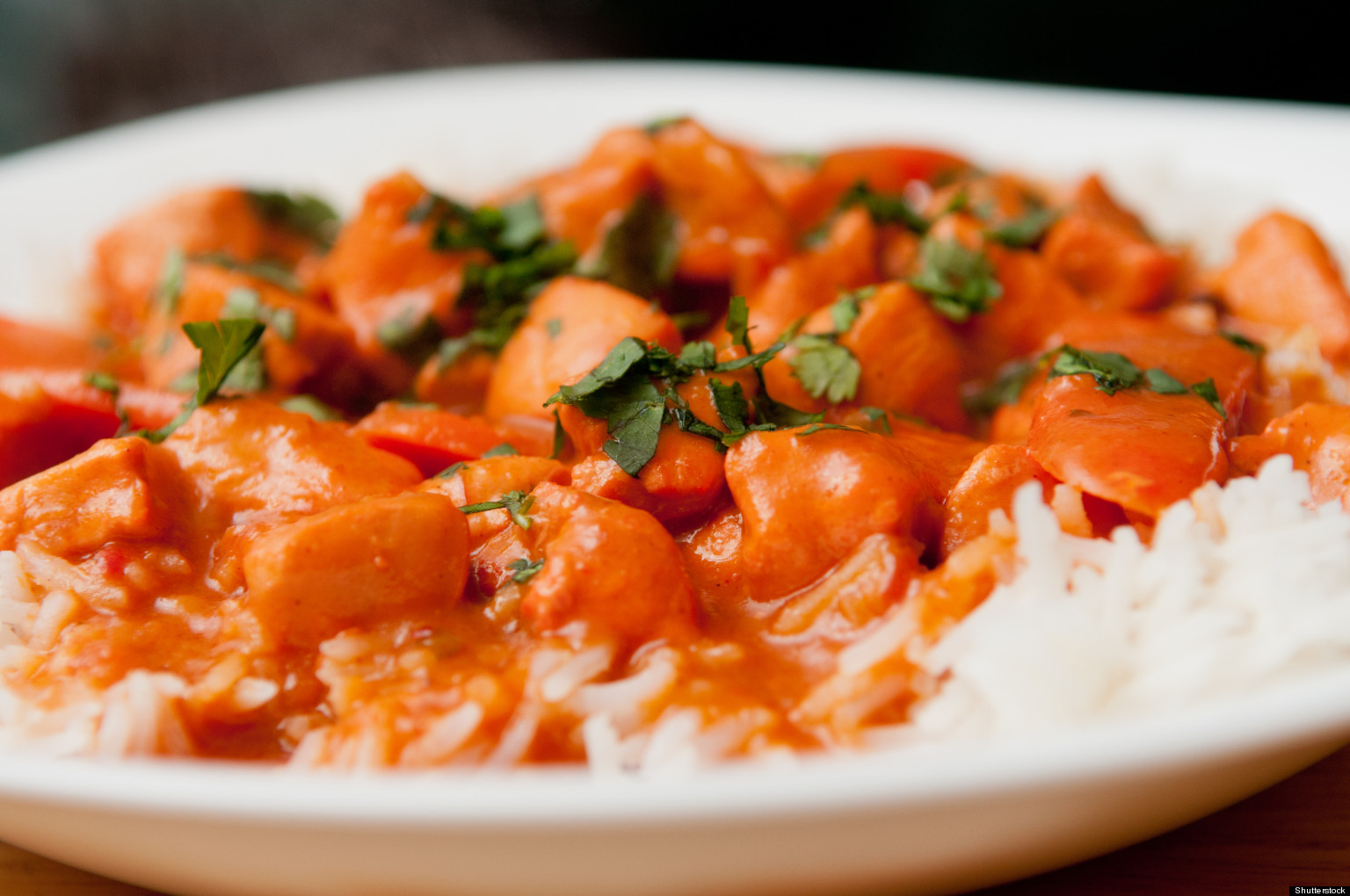
Butter chicken made at home that tastes just as good as one youll get in a restaurant.
- 1 teaspoon salt
- 1/2 teaspoon sugar
- 50 grams butter
- meat
- marinade
- 1 whole onion chopped
- 500 grams boneless chicken thigh or breast cut into bite size pieces
- 1 teaspoon garlic / ginger paste if you can't buy this, make your own using 50/50 crushed garlic and ginger.
- 1 teaspoon chili powder don't scale up with recipe unless you like it hot!
- main dish
- 2 tablespoons ghee (clarified butter) i just use normal butter or oil as ghee is expensive where i live.
- 1 teaspoon garlic / ginger paste
- 1/2 teaspoon cumin seed cumin power can be used in absence of cumin seed
- 200 gram chopped tomatoes
- 2 whole green chilis de-seeded and chopped
- 40 grams cashew nuts about one handful
- 2-3 sprigs fresh coriander
- 1 tablespoon coriander powder
- finishing touches
- 100 ml cream
- Carbohydrate 9.62352783574129 g
- Cholesterol 114.998943185661 mg
- Fat 21.3573549310188 g
- Fiber 1.75596253088636 g
- Protein 32.0003925624795 g
- Saturated Fat 10.6405805961127 g
- Serving Size 1 1 Serving (296g)
- Sodium 279.570473143784 mg
- Sugar 7.86756530485493 g
- Trans Fat 1.63285208962939 g
- Calories 355 calories
Step-by-step
- In a bowl add your bite sized chicken pieces. Add in the marinade ingredients (paste, chili powder, salt), mix well with your hands, leave for 10 minutes.
- In a medium-hot pan of your choice add the Ghee (or butter/oil), add chicken to the pan and work through until chicken is no longer pink. Remove chicken from the pan and set aside.
- Add the remaining main dish ingredients (paste, onion, cumin seed, tomatoes, chilies, cashew nuts, fresh coriander & coriander powder) to the leftover oil in the pan. Cook until all ingredients are soft, adding a little water if needed.
- Once all ingredients are soft, remove from the pan and allow to cool. Using a blender or food processor blend the cooled mixture into a smooth sauce.
- Reheat your pan to a medium temperature and add butter. Once butter has melted add the blended sauce back into the pan and bring up to temperature. Add red food coloring and mix in.
- Add chicken back into mixture, cook for 10-15 minutes stirring regularly. Once chicken is tender add cream, mix in well and cook for a further 5 minutes. If sauce needs thickening add cornstarch as required.
- Remove from heat, allow to cool for 5 minutes. Serve on basmati rice.
- Enjoy!
How do you know when chicken thighs are cooked through without piercing them into dry ribbons? When dealing with bite-sized pieces in a hot pan, visual cues replace internal probes entirely. Raw poultry transitions from opaque pink to a solid, matte white across the surface within four to six minutes of moderate heat. Once that exterior color shift occurs evenly and the pieces bounce slightly under the back of a wooden spoon, remove them immediately to halt the cooking process.
Texture dictates the success of this dish, relying heavily on the transition from whole aromatics to a velvety emulsion. Simmering onions, tomatoes, and cashew nuts until completely soft allows them to break down fully during the blending phase. Passing this cooked mixture through a food processor turns the fibrous vegetables into a smooth base, eliminating the grit that poorly blended purees often introduce to sauces.
Fats play a dual role in building both body and mouthfeel throughout the cooking sequence. Starting the initial sear with ghee or high-fat butter prevents sticking while browning the surface proteins of the meat. Incorporating standard dairy cream at the very end rounds out the acidity of the tomatoes, but boiling the sauce vigorously after adding the cream can cause the dairy solids to separate and break the emulsion.
Maintaining moderate temperatures during the final simmer ensures the protein stays tender while absorbing the spices. Stirring the mixture regularly prevents the pureed cashews from settling at the bottom of the pan and scorching. Letting the finished dish rest off the heat for five minutes before serving allows the fats to stabilize and clings more readily to basmati grains.


