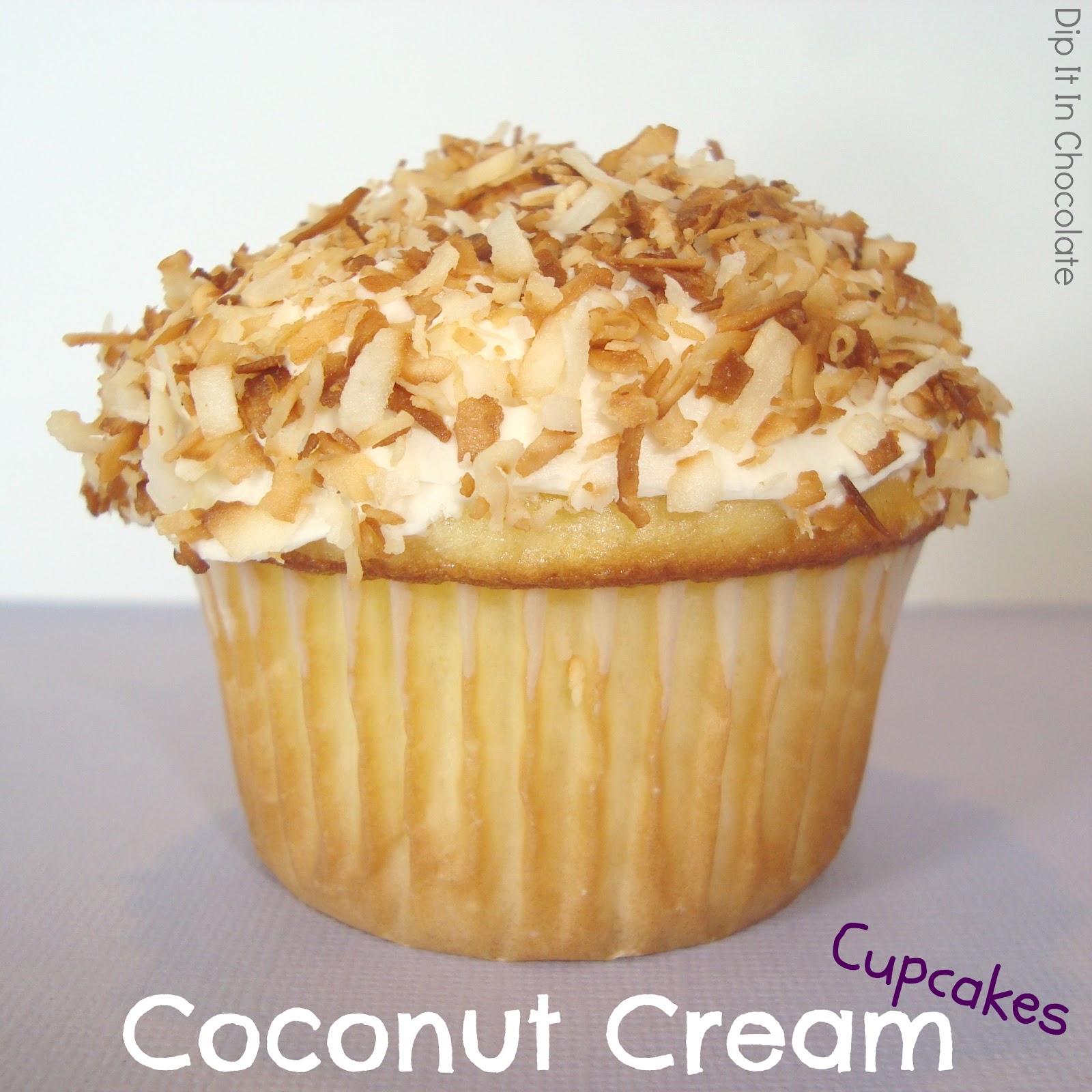
Good
- 1/2 teaspoon salt
- 4 eggs
- 2 teaspoons vanilla
- 1 cup sugar
- 3 egg whites
- 1/3 cup oil
- 1/2 teaspoon vanilla
- 1 cup flour
- 2/3 cup sugar
- 1 1/3 cups milk
- 2 tbl butter
- cake-
- 1 box dh coconut supreme cake
- 1 cup sourcream
- 1 4oz box coconut cream pie instant pudding
- 1/2 - 1 cup coconute depending on your personal taste
- 2 teaspoons coconut flavoring i prefer mccormick
- cream pie filling-
- 1/2 ap flour
- 2 cups milk once again i use whole
- 3 egg yolks reserve the whites for the meringue
- 2 teaspoons coconut extract flaked coconut can be used in place of the extract if you are u
- meringue-
- 4 tbl sugar
- Carbohydrate 30.1436229068182 g
- Cholesterol 234.522046931818 mg
- Fat 8.39069033371212 g
- Fiber 0.121125001788139 g
- Protein 6.95457222159091 g
- Saturated Fat 2.73229659643939 g
- Serving Size 1 1 Serving (89g)
- Sodium 73.4524529545455 mg
- Sugar 30.02249790503 g
- Trans Fat 0.726611743560605 g
- Calories 221 calories
Step-by-step
- Sift dry ingredients together, combine with wet and mix on medium for 2 mins.
- Bake in cupcake tin for 16-18 minutes at 325, or until they spring back when touched.
- Set aside to cool.
- Makes 3-4 dozen cupcakes depending on how full you fill the tins.
- In top of double boiler combine flour, sugar and salt, add milk and stir until smooth(it helps to add a little milk at a time and stir each time instead of the whole amount at once).
- Cook over not in boiling water for 10 min. or until thick.
- Stirring almost constantly to avoid lumps.
- Once the 10 mins is up dip a spoon in the mixture if it coats the back without dripping of sliding off it is ready, also taste it , there should be no more raw flour taste.
- Remove it from the heat.
- In another bowl beat the 3 eggs slightly, while still stirring the eggs add 1/2 the mixture and mix until smooth.
- Then return egg mixture to rest of mixture and place on double boiler again.
- Cook another 3 mins until thickened, remove from heat and stir in 2 tbls butter and the vanilla and coconut extract.
- Let cool slightly and then cover with plastic wrap, making sure the plastic wrap touches the top of the pie filling, this will prevent it from forming a skin in the fridge.
- Refrigerate until cold.
- Beat egg whites until frothy, sprinkle in sugar 1 tbs at a time whipping in between each addition until stiff peaks form ,careful not to over beat, mix in 1/2 tsp vanilla.
- Or you can use your own trusted meringue recipe.
- Once filling is chilled use a tip 230 and fill a piping bag with the filling, fill the cupcakes as full as you can with out them falling apart.
- I can usually fit 5 fillings in them.
- Once they are full pipe some meringue onto each one, sprinkle with a bit of coconut and bake in the oven at 350 until lightly browned.
- You can also brown them individually with a cr?me brulee torch.
Swapping canned coconut milk for whole dairy milk alters the fat ratio significantly, yielding a denser crumb that holds heavy fillings without collapsing. Professional bakeries often rely on standard pastry cream foundations enriched with botanical extracts rather than commercial puddings to achieve a cleaner, less artificial aromatic profile. Organizing your workflow requires careful sequencing: prepare the pastry cream and allow it to chill completely before tackling the meringue to prevent temperature conflicts during assembly.
- Incorporate cold milk gradually into the flour and sugar mixture using a whisk to prevent lump formation before the double boiler stage.
- Test the starch thickness by coating the back of a metal spoon; if the mixture holds a distinct line when dragged through with a finger, the raw flour taste has dissipated entirely.
- Press plastic wrap directly against the hot cream surface during refrigeration to block moisture condensation from forming an unwanted skin.
- Add granulated sugar to the egg whites one tablespoon at a time only after they reach a frothy state, ensuring the protein bonds stabilize correctly into stiff peaks.
- Bake the assembled cupcakes at 350 degrees Fahrenheit just until the meringue tips brown, or use a kitchen torch for precise coloring control.
Proper refrigeration keeps the filled pastries structurally sound for up to three days. Maintaining strict temperature control during the final browning phase prevents the dairy-heavy meringue from weeping.


