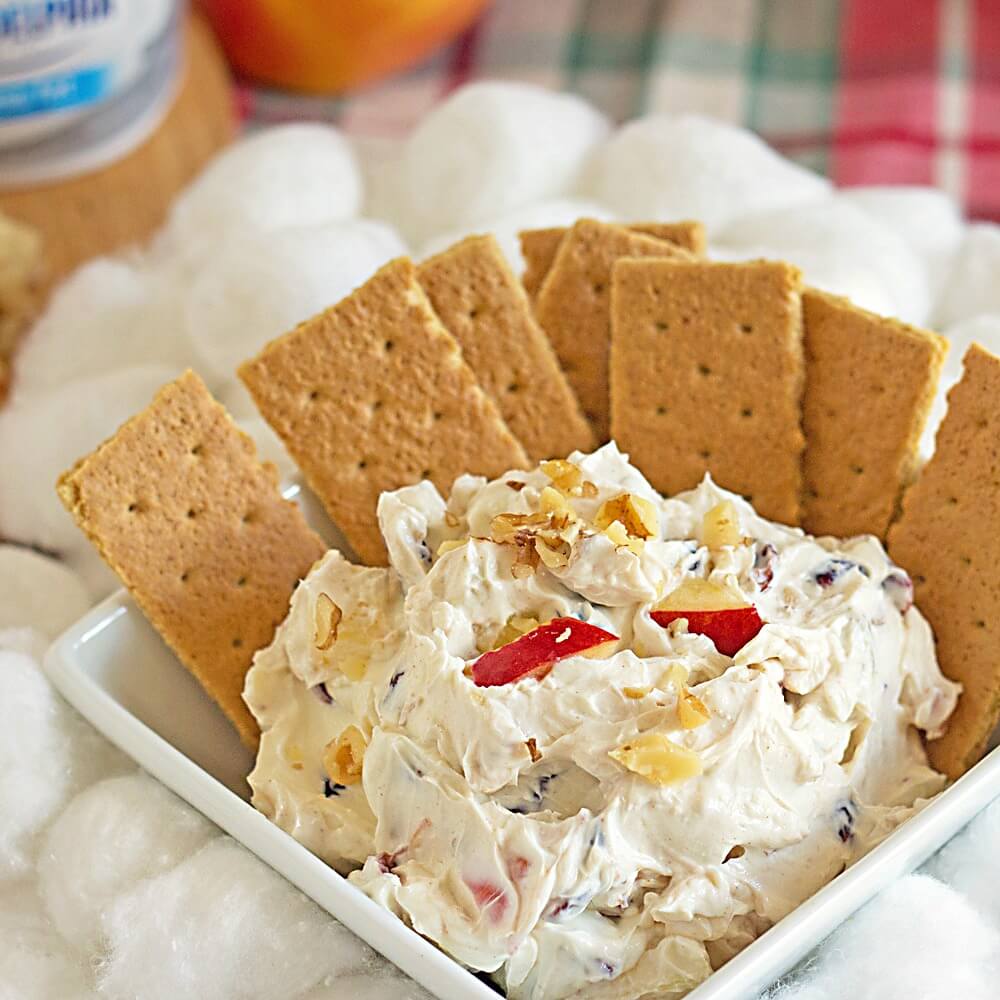
Try this Cream Cheese dip recipe
- Carbohydrate 15.58580472136 g
- Cholesterol 571.61580328 mg
- Fat 218.98741367552 g
- Fiber 1.68 g
- Protein 83.10301375864 g
- Saturated Fat 110.711599971616 g
- Serving Size 1 1 Recipe (641g)
- Sodium 3358.955753208 mg
- Sugar 13.90580472136 g
- Trans Fat 22.846541398568 g
- Calories 2355 calories
Step-by-step
- Preheat oven to 400 F.
- Combine softened cream cheese, sour cream, cheddar cheese, bacon and green onion.
- Spoon mixture into a 1-quart baking dish and bake for 25-30 minutes, or until cheese is bubbling and hot.
- Serve with bread slices, crackers, or veggies.
Ingredient lists omit the physical behavior of dairy fats under sustained heat. Sour cream contains moisture that separates if subjected to thermal shock, meaning cold dairy straight from the refrigerator will curdle upon contact with a 400 degree oven. Bringing the components to room temperature prevents this phase separation. Adapting this dish for different guest counts requires proportional adjustments. Doubling the batch necessitates a wider 2-quart baking dish rather than a deeper one to maintain the proper depth-to-surface ratio for even browning. Conversely, halving the recipe reduces the required thermal window; smaller volumes reach bubbling point within 18 minutes.
- Soften the cream cheese completely on the counter for 30 minutes before mixing to eliminate lumps.
- Use block cheddar and shred it manually; pre-bagged shreds contain cellulose coatings that prevent smooth melting.
- Substitute Greek yogurt for sour cream at a 1:1 ratio if lower fat content or higher protein is required.
- Bake until the edges show bubbling grease separation and the internal temperature hits 165 degrees.
Leftovers keep in a sealed container for up to three days. Reheat gently in a 350 degree oven until warmed through rather than using a microwave, which breaks the emulsion.



