Chicken Enchiladas
This is soooo much better than using canned enchilada sauce. I always detect a metallic or bitter taste when using a canned sauce and this recipe, while a little labor intensive, is well worth it for the flavor of what ends up being your own homemade enchilada sauce. I've made it several times and you know you must love it if you make it more than once.
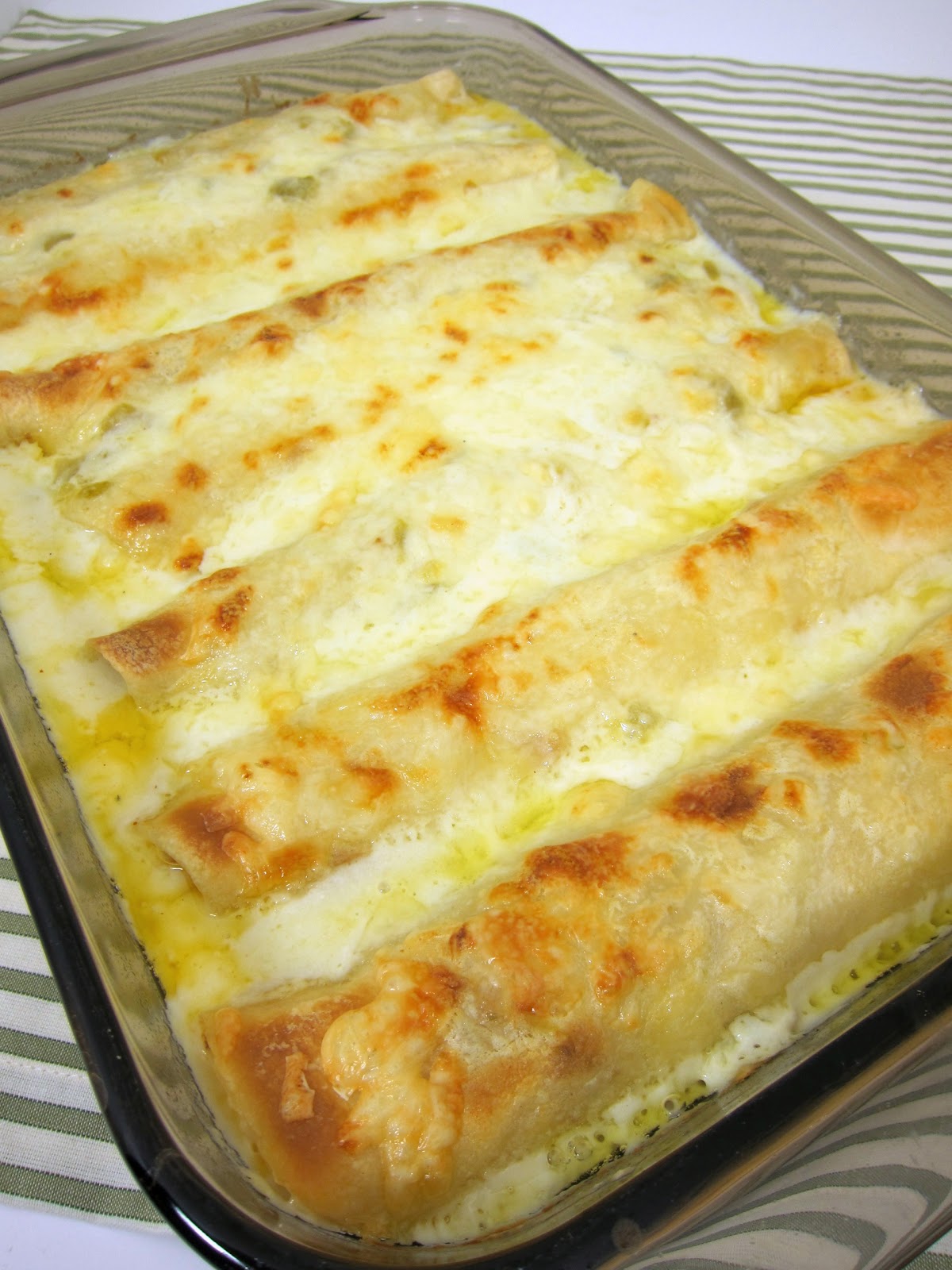
This is soooo much better than using canned enchilada sauce. I always detect a metallic or bitter taste when using a canned sauce and this recipe, while a little labor intensive, is well worth it for the flavor of what ends up being your own homemade enchilada sauce. I've made it several times and you know you must love it if you make it more than once.
- 1 cup water
- 2 teaspoons ground cumin
- cooking spray
- 1 cup monterey jack cheese shredded
- 1 teaspoon canola oil
- 3 tablespoons chili powder
- salt and ground black pepper
- chicken enchiladas with red chile sauce
- adapted from tide and thyme orginally from america's test kitchen
- 1 medium onion chopped fine
- 2 jalapenos, seeded and chopped fine
- 3 medim cloves garlic minced
- 3 teaspoons sugar
- 1 15- oz can tomato sauce
- 1 large beefsteak tomato seeded and chopped
- 1 pound boneless skinless chicken breasts (2 large breasts
- 1 cup extra sharp white cheddar shredded
- 1/2 cup minced fresh cilantro
- 12 (6-inch) soft corn tortillas
- Carbohydrate 26.7455100129749 g
- Cholesterol 117.48 mg
- Fat 48.7147366611771 g
- Fiber 8.49640023661857 g
- Protein 37.3099800029102 g
- Saturated Fat 26.1223510000037 g
- Serving Size 1 1 Recipe (1145g)
- Sodium 4499.50900024776 mg
- Sugar 18.2491097763563 g
- Trans Fat 2.73910033387683 g
- Calories 670 calories
Step-by-step
- Preheat oven to 425.
- Combine the onion, jalapeno, 1/2 teaspoon salt, and oil in a large saucepan. cover and cook over medium-low heat, stirring often, until the onions and peppers have softened, 8-10 minutes. Stir in the garlic, chili powder, cumin, and sugar, and cook until fragrant, less than 30 seconds. Stir in the tomato sauce, water, and chopped tomato. Bring to a simmer, and cook until slightly thickened, 5 minutes.
- Nestle the chicken into the sauce. Reduce heat to low, cover, and cook until chicken is cooked through (thickest part reaches 160 degrees), about 12-20 minutes. Transfer the chicken to a plate, and set aside to cool.
- Strain the sauce through a strainer into a medium bowl, pressing the onion mixture to extract as much liquid as possible. Transfer the onions to a large bowl and set aside. Season sauce with additional salt and pepper to taste.
- Shred the chicken into bite-sized pieces. Add to the onin mixture, and add 1/4 cup of the enchilada sauce, 1 cup cheese, and the cilantro. Toss to combine.
- Stack the tortillas on a plate and cover with plastic wrap; Microwave on high until warm and pliable, 40-60 seconds. Spread the tortillas on a clean work surface, and spoon 1/3 cup of the chicken mixture evenly down the center of each. Tightly roll each tortilla and lay seam-side down in a greased 9x13 inch baking dish.
- Lightly spray the tops of the enchiladas with cooking spray. Place in the oven, uncovered, for about 7 minutes, or until the tortillas start to brown slightly (skip this step if you don't like the crunch).
- Reduce heat to 400. Remove enchiladas and pour sauce evenly on top. Top with the remaining cheese. Cover dish with foil, and bake an additional 20 minutes, or until heated through.
- Remove foil and bake another 5 minutes, until cheese browns. Remove from oven and let stand 10 minutes before serving.
- Serve with sour cream, guacamole, salsa, additional cilantro, etc.
Most home cooks ruin enchiladas by skipping the crucial step of steaming or frying the corn tortillas before rolling, resulting in cracked edges that crumble under the weight of the filling. Corn tortillas are inherently fragile, and when loaded with moisture from cooked chicken and tomato-based sauces, untreated masa simply disintegrates into a pasty mess unless proper hydration and thermal treatment occur first. Bypassing commercial canned sauce in favor of a simmered blend of fresh tomatoes, aromatics, and toasted spices yields a deeply complex flavor profile, but that liquid must be managed carefully to preserve structural integrity on the plate.
Achieving the Ideal Texture Balance
Success relies on a precise sequence of events that builds structural layers rather than subjecting the dish to uniform heat from start to finish. Stacking the tortillas and heating them in the microwave for forty to sixty seconds forces internal moisture to soften the starch molecules, rendering the corn pliable enough to roll tightly without splitting. Cooking the chicken directly inside the simmering red chile sauce infuses the meat with aromatic flavor while poaching it gently until the thickest part reaches 160 degrees Fahrenheit. Straining the solids out of that same sauce and folding them back into the shredded meat ensures the filling has body, while the extracted liquid is reserved to coat the exterior without drowning it. A brief initial bake of seven minutes at 425 degrees Fahrenheit crisps the exposed edges of the tortillas before the final blanket of sauce and cheese goes on, locking in a textural contrast between chewy centers and toasted rims.
- If the tortillas split during rolling, they were not heated sufficiently or have dried out from sitting uncovered on the counter.
- Covering the baking dish with foil during the final twenty minutes of baking traps steam, melting the Monterey Jack and sharp cheddar into an even blanket without burning the dairy proteins.
- Letting the finished dish rest for ten minutes off the heat allows the internal juices to redistribute so the portions hold together when transferred to plates.


