Kara's Vegan Winter Stew
A simple recipe for vegans and veggie lovers. Just about the only thing that doesn't belong in a recipe with the name Vegetable Slurry is meat. I'm a reformed meat eater/quasi-vegetarian and I love this recipe!
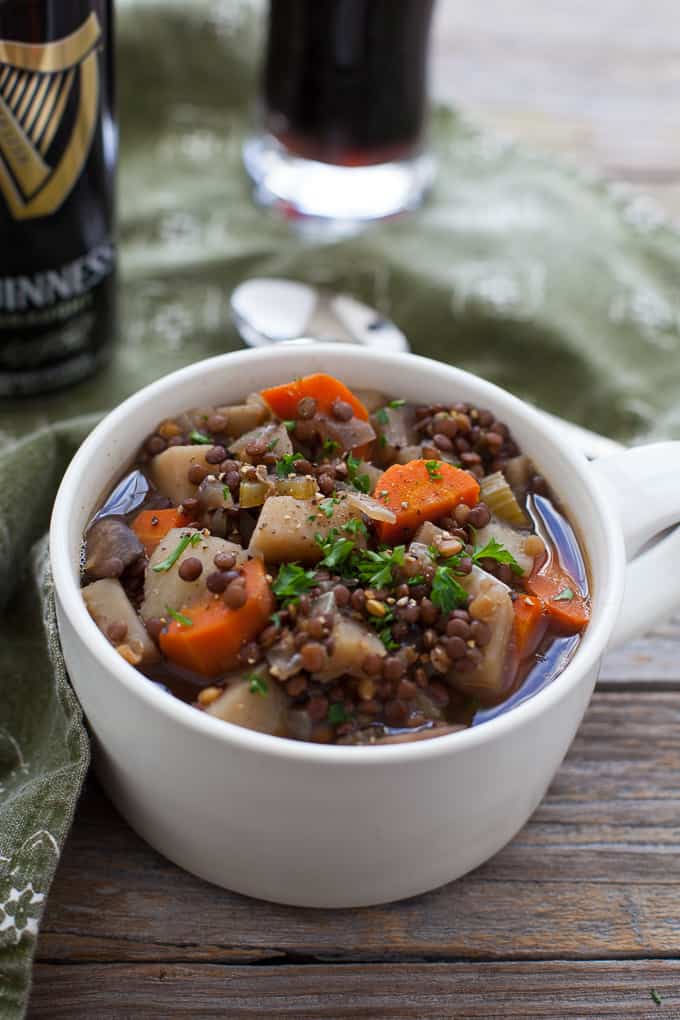
A simple recipe for vegans and veggie lovers. Just about the only thing that doesn't belong in a recipe with the name Vegetable Slurry is meat. I'm a reformed meat eater/quasi-vegetarian and I love this recipe!
- 1 tsp ground cinnamon
- 3 tbsp olive oil
- 0.5 tsp salt
- 1 cup spinach roughly chopped
- 1 tsp ground turmeric
- 1 onion small
- 1 sweet potatoe small, cubed (optional for lower-carb)
- 1 large carrot chopped
- 2 cloves garlic (up to 3 cloves), minced
- 1 cup vegetable stock
- 0.5 small red bell pepper chopped
- 0.5 small zucchini chopped
- 1 14-oz can chickpeas (garbanzo beans)
- 1 tbsp curry powder
- 0.75 tsp cayenne
- 0.25 cup raisins
- Carbohydrate 60.488453 g
- Cholesterol 0 mg
- Fat 15.7764736666667 g
- Fiber 11.2340868094524 g
- Protein 9.49380666666667 g
- Saturated Fat 2.17283206666667 g
- Serving Size 1 1 Serving (389g)
- Sodium 764.981866666667 mg
- Sugar 49.2543661905476 g
- Trans Fat 0.942370166666668 g
- Calories 406 calories
Step-by-step
- In a medium pot, cook the rice/grain as you usually do.
- While rice/grain is cooking, in a large saucepan on medium heat, saute the onions in oil until translucent.
- Add the sweet potatoes, carrots, and garlic and saute for 2 minutes, stir occasionally to avoid sticking.
- Add the stock, red peppers, zucchini, chickpeas, turmeric, curry, cinnamon, cayenne, and salt. Stir well.
- Reduce heat and cover with lid.
- Cook for 10-15 minutes, or until vegetables are tender.
- Stir in the raisins and spinach, remove from heat and let sit for 5 minutes before serving atop your rice/grain.
- Makes 2 large or 4 small servings.
Stirring in the spinach and raisins at the very end of cooking prevents the greens from turning drab and overcooked while allowing the dried fruit to plump gently in the residual heat. Stews built on a foundation of root vegetables, legumes, and warming spices often taste better on the second day as starches hydrate and flavors meld fully. Preparing a batch ahead of time requires cooling the mixture rapidly within two hours before transferring it to airtight containers.
Proper storage in a refrigerator keeps this dish viable for up to four days, while freezer storage extends its lifespan to three months. Reheating requires a low flame on the stovetop with a splash of water or vegetable stock added to compensate for moisture lost during storage. Bringing the liquid back to a gentle simmer ensures even thermal penetration throughout the denser components like sweet potatoes and carrots.
Assessing doneness without a thermometer relies entirely on visual and textural cues rather than arbitrary minutes on a clock. Piercing a carrot or sweet potato cube with the tip of a paring knife should yield no resistance at the center. If the blade meets a hard core, additional cooking time is necessary before incorporating the final delicate elements.
Adjusting the vegetable proportions alters the final texture significantly due to varying moisture contents among ingredients. Swapping the zucchini for winter squash requires extending the initial simmer by approximately five minutes to match the density of the root vegetables.


