Spinach Artichoke Lasagna
This makes two 8x8 pans, eat one, freeze one, about 5-6 servings per pan. I like this recipe because it is very nutritious. This recipe uses tomato sauce that is high in lycopene, nutritious spinach, and calcium-rich cheese.
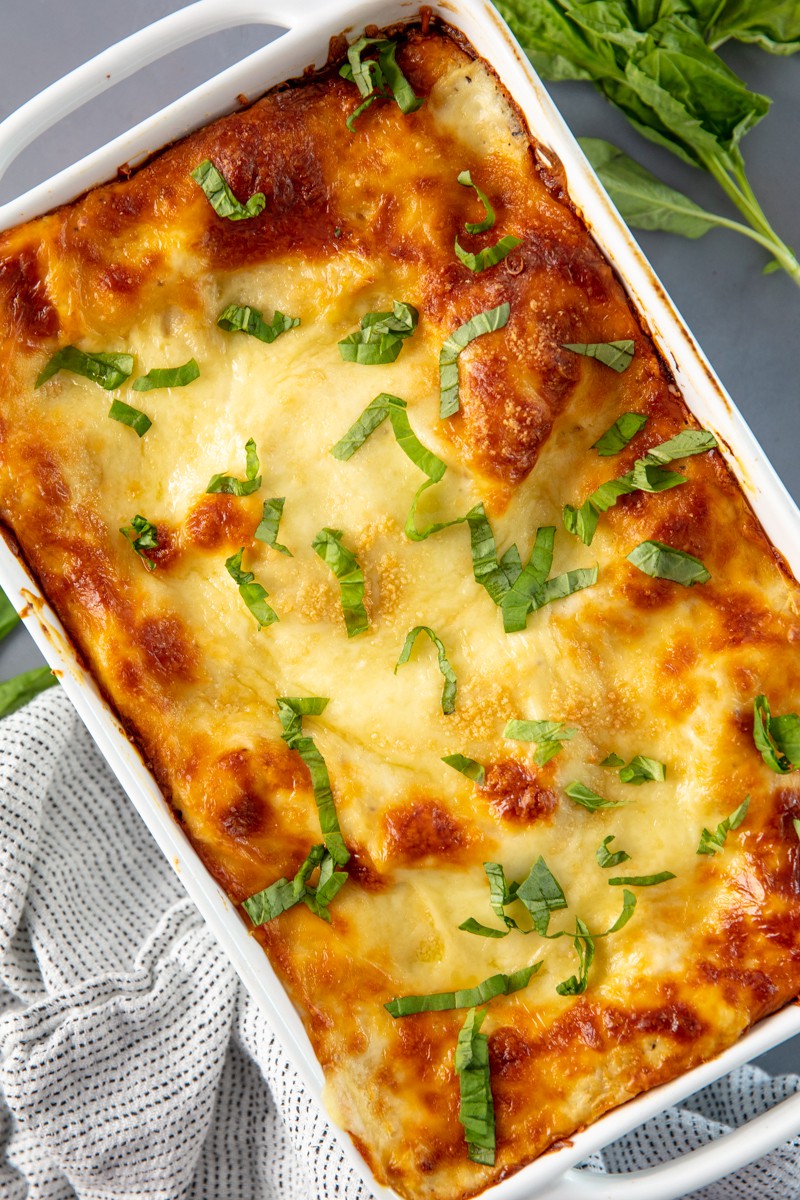
This makes two 8x8 pans, eat one, freeze one, about 5-6 servings per pan. I like this recipe because it is very nutritious. This recipe uses tomato sauce that is high in lycopene, nutritious spinach, and calcium-rich cheese.
- 1 onion chopped
- 4 cloves garlic minced
- 2 10 oz bags fresh spinach chopped
- 1 sm box baby bella mushrooms chopped
- 1 teaspoon dried rosemary ground
- 12 lasagna noodles cooked al dente
- 1 14 oz can artichoke hearts drained, chopped
- 1 24 oz spaghetti sauce
- 3 cups fresh mozzarella cheese fresh or shredded
- 1 16 oz cottage cheese
- 1 package hormel sausage pizza crumblers (optional)
- 1 4 oz feta cheese- tomato basil (optional)
- Carbohydrate 21.644828 g
- Cholesterol 78.2796 mg
- Fat 16.019004 g
- Fiber 0.280120001506805 g
- Protein 19.138684 g
- Saturated Fat 9.074074 g
- Serving Size 1 1 Serving (115g)
- Sodium 436.1868 mg
- Sugar 21.3647079984932 g
- Trans Fat 1.5296632 g
- Calories 309 calories
Step-by-step
- Preheat oven 350
- grease 2 8x8 pans
- Tear apart/ chop 1 bag spinach, put in bowl, cover with saran wrap, microwave 3 minutes, cool, squeeze out all excess water
- Repeat step 3
- Heat some olive oil in a skillet, Add garlic and rosemary. Sauté for 3 minutes.
- Add mushrooms. Sautee 2 minutes to soften.
- Add spinach, artichoke hearts, sausage (optional), and spaghetti sauce. Remove from heat.
- Spread 1/8 cup filling on bottom
- Take 2 noodles to make 3 parallel rows. Cut ends with scissors to fit 2 rows. Place ends together to make 3rd row. (Each 8x8 takes 6 noodles total.)
- Spread cottage cheese along each noodle- maybe 2 tablespoons per noodle.
- Sprinkle with mozzarella
- Spread a layer of filling (1/3 of the filling)
- Add noodles- repeat step 9-12 twice, ending with filling on top.
- Freeze one lasagna. Cover the other with foil and bake 30-40 minutes.
- Uncover, sprinkle with feta. Bake 15 more minutes.
- Remove from oven and let cool for 20 minutes.
Fresh spinach carries a remarkably high water weight that can easily ruin pasta dishes by turning the sauce into a watery broth during baking. Eliminating that moisture requires a deliberate two-stage process of steaming the leaves in the microwave for three minutes per bag, allowing them to cool, and then manually wringing out every last drop of liquid before the greens ever touch the skillet. Without this crucial dehydration step, vegetables like baby bella mushrooms and canned artichoke hearts release their own trapped juices into the pan, compromising the structural integrity of the layered noodles.
Constructing this recipe requires two separate 8-inch by 8-inch baking pans, but standard 9x13 metal or glass casserole dishes serve as viable alternatives if adjusting the noodle geometry accordingly. Cutting the cooked lasagna noodles with kitchen shears allows them to fit precisely into smaller square perimeters without overlapping excessively, ensuring even heat distribution throughout the layers. Standard cottage cheese functions effectively as the dairy binder here, though draining it through a fine-mesh sieve for ten minutes prevents additional unwanted liquid from seeping into the sauce.
Assembling the components efficiently relies on portioning the filling evenly across three distinct noodle tiers while reserving the mozzarella and optional tomato-basil feta for specific stages of the thermal process. Baking the covered dish at 350 degrees Fahrenheit for 30 to 40 minutes warms the internal ingredients thoroughly before the foil comes off for the final 15-minute browning phase. Adding the optional feta cheese only during that uncovered window prevents the delicate dairy proteins from burning or developing a rubbery texture under direct heat.
Yielding two distinct meals provides the distinct advantage of freezing one unbaked pan immediately for future dinners while baking the second right away. Allowing the freshly baked lasagna to rest undisturbed for 20 minutes before slicing lets the melted cheeses and starches set completely, ensuring clean portions that hold their shape on the plate rather than collapsing into a loose heap.


