Breaded Lake Erie Perch
Breaded Lake Erie Perch tastes like no other. Enjoy this fish fry using healthy shortening and eliminate trans fats!
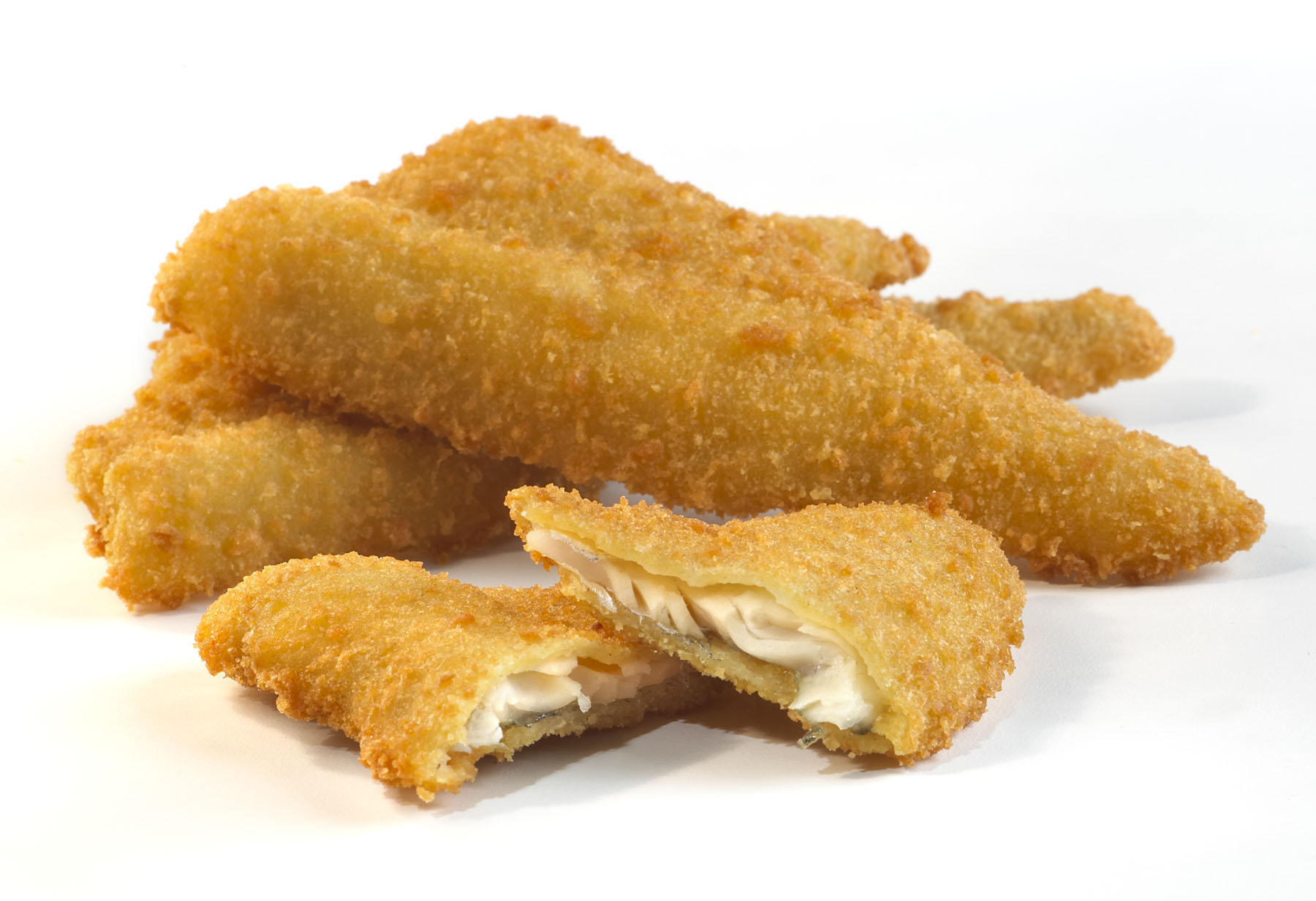
Breaded Lake Erie Perch tastes like no other. Enjoy this fish fry using healthy shortening and eliminate trans fats!
- Carbohydrate 690.1198 g
- Cholesterol 434.386858 mg
- Fat 122.270075 g
- Fiber 45.210000872612 g
- Protein 183.1558 g
- Saturated Fat 41.233331025 g
- Serving Size 1 1 Serving (1326g)
- Sodium 14979.08 mg
- Sugar 644.909799127388 g
- Trans Fat 9.92566170000002 g
- Calories 4645 calories
Step-by-step
- Place enough shortening in a frying pan to to allow fish to fry but the pieces do not need to be submerged in the oil.
- Melt shortening and keep hot till ready to use.
- To test if temperature is hot enough, drop a piece of plain batter in the oil.
- If it sizzles and comes to the top, it's ready.
- DO NOT USE WATER to test!
- In the first bowl, place the lightly seasoned flour (whole wheat, white or a combination).
- In second bowl, lightly mix two eggs.
- No water or milk needed.
- In the third bowl, place the unseasoned bread crumbs (homemade, store bought, panko...)
- Dip a piece of fish in the flour and coat lightly.
- Next, dip that piece of fish in the lightly scrambled eggs.
- Then, dip it in the bread crumbs and coat the entire filet.
- Finally, place this in hot oil and fry until golden brown and edges of filet curl slightly.
- Drain on a paper towel and keep warm until all filets are fried.
- This is great with a side of coleslaw!
The Chemistry of the Standard Breading Station
The ingredient list omits the mechanics of moisture control, which dictates whether your crust adheres or slides off. Dredging the perch in flour creates a dry anchor point for the beaten eggs, because wet protein cannot bond directly to raw fish flesh. Shake off every speck of excess flour before it enters the egg wash or the crumb layer will slip away during frying. When dropping a small crumb into the pan, look for an immediate, aggressive sizzle that pushes the testing piece to the surface within two seconds.
Adapting Fats and Flours for Dietary Needs
Modifying this preparation for specific dietary requirements relies entirely on substituting structural components without altering hydration levels. Swapping traditional wheat flour for certified gluten-free all-purpose blends requires adding one-quarter teaspoon of xanthan gum if the commercial mix lacks it, preventing the coating from turning sandy in the hot oil. Selecting a non-hydrogenated shortening or a high-smoke-point oil maintains the necessary thermal stability for crisping without scorching the delicate protein underneath.
Managing Residual Heat and Storage
Piled-up fried fish traps steam beneath the crust, rapidly softening the exterior crunch you worked to build. Transfer freshly fried fillets to a wire rack set inside a rimmed baking sheet rather than stacking them directly on paper towels. Should you need to freeze leftovers for later consumption, reheat them in a four-hundred-degree oven for eight minutes to restore the original textural integrity without drying out the interior meat.



