Basic Pizza Dough
This is my all purpose basic pizza dough recipe. I find that this is enough to make one medium pizza crust. As a basic pizza dough, it uses white flour and SAF Instant Yeast as the primary ingredients.
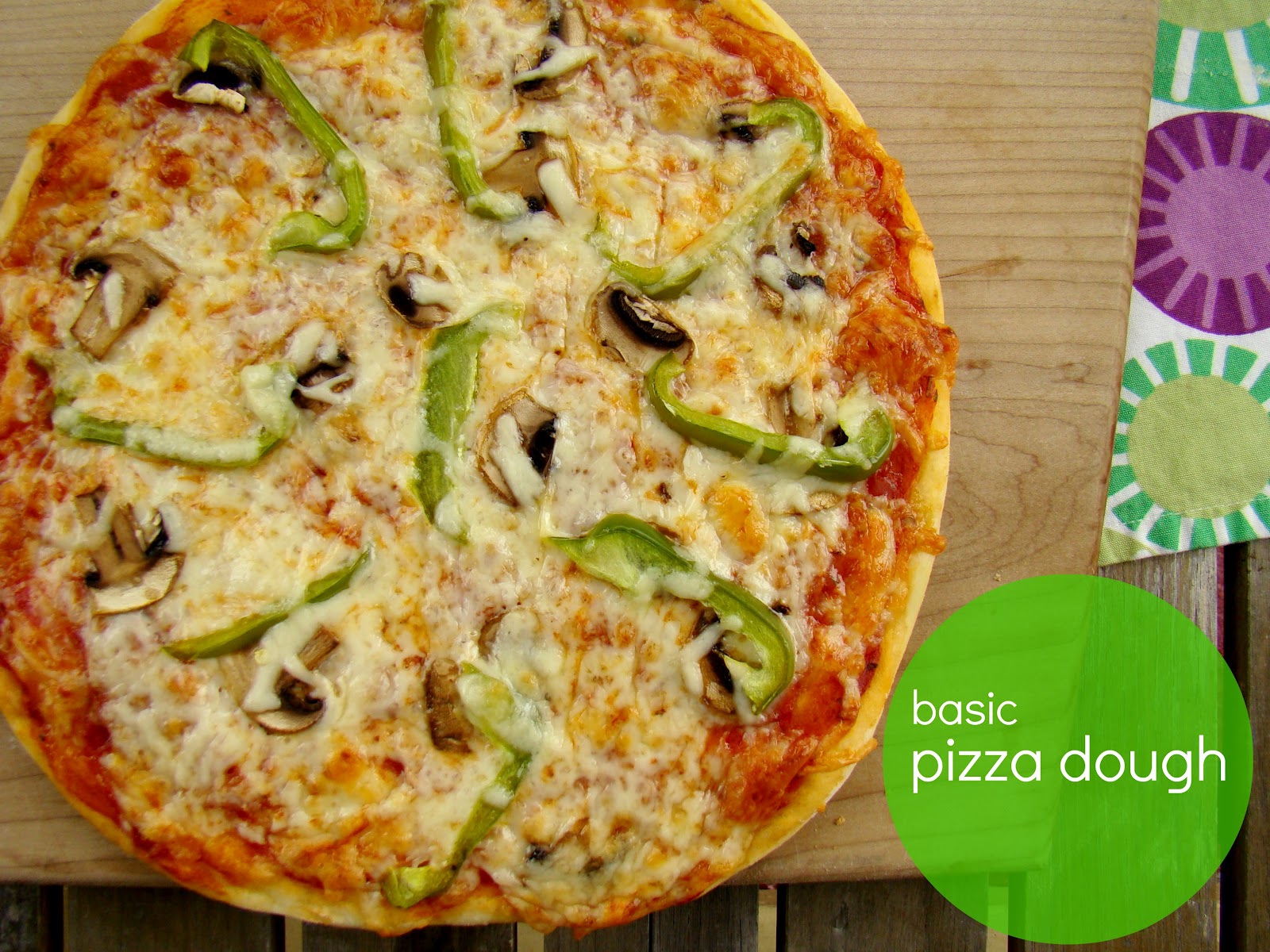
This is my all purpose basic pizza dough recipe. I find that this is enough to make one medium pizza crust. As a basic pizza dough, it uses white flour and SAF Instant Yeast as the primary ingredients.
- Carbohydrate 163.1645 g
- Cholesterol 0 mg
- Fat 4.9985 g
- Fiber 5.79750008940697 g
- Protein 20.70925 g
- Saturated Fat 0.5324 g
- Serving Size 1 1 Serving (259g)
- Sodium 878.888125 mg
- Sugar 157.366999910593 g
- Trans Fat 0.69604 g
- Calories 792 calories
Step-by-step
- In a mixing bowl combine the Instant Yeast, 2 Cups of the flour, salt and sugar and mix.
- Add the oil and slowly mix in the water (115? or so in temperature) as needed until the dough just sticks together. Turn the dough out onto a floured surface and knead until smooth and silky. A good way to test this is to pull off a small piece, roll it out into a ball then flatten out into a disk. Then flatten it out and stretch it into a 'window pane' if you can get it thin enough to see light through then it is ready, if it tears, it is time to knead some more. Alternatively you can oil up the kneading hook on your favorite mixer and let it do all the hard work.
- Depending on how much time you have, you can either set this in a warm spot to rise for an hour before punching down and rolling out, or you can let it sit all day in a cool location and let it rise slowly. This will give a different flavor than by the faster method!
- From here you can roll the dough out and adorn in your favorite way.
Working within the boundaries of a standard mixing bowl and a single countertop requires dough formulas that reward precision over specialized gear. This white flour dough relies on precise hydration control, utilizing warm water measured at precisely 115 degrees Fahrenheit to activate the instant yeast without destroying the cellular structure. Vegetable oil is introduced alongside the flour, salt, and sugar to coat the gluten strands, which limits excessive elasticity and prevents a tough, rubbery bite after baking.
Kneading transforms a shaggy mass into a smooth, elastic cylinder ready for shaping. Determining when gluten is sufficiently aligned requires the windowpane test: pinch off a small piece of dough, round it gently, and stretch it until thin enough to transmit light through the center without tearing. If the gluten breaks prematurely, continue kneading for another three to five minutes before retesting. Skipping this structural check risks a crust that shrinks back aggressively during rolling.
Temperature dictates the rate of yeast metabolism and final flavor profile. A warm ambient environment encourages rapid fermentation over a one-hour window, yielding a mild, straightforward dough. Alternatively, transferring the covered bowl to a cooler location slows microbial activity significantly, allowing organic acids to develop over an extended daytime resting period. Punching down the risen mass releases accumulated carbon dioxide gas bubbles, resetting the yeast activity before final shaping.
Assessing Gluten Development
Kneading transforms a shaggy mass into a smooth, elastic cylinder ready for shaping. Determining when gluten is sufficiently aligned requires the windowpane test: pinch off a small piece of dough, round it gently, and stretch it until thin enough to transmit light through the center without tearing. If the gluten breaks prematurely, continue kneading for another three to five minutes before retesting. Skipping this structural check risks a crust that shrinks back aggressively during rolling.
Managing Fermentation Timings
Temperature dictates the rate of yeast metabolism and final flavor profile. A warm ambient environment encourages rapid fermentation over a one-hour window, yielding a mild, straightforward dough. Alternatively, transferring the covered bowl to a cooler location slows microbial activity significantly, allowing organic acids to develop over an extended daytime resting period. Punching down the risen mass releases accumulated carbon dioxide gas bubbles, resetting the yeast activity before final shaping.



