Chicken Herbes de Provence
This is a very tasty dish ideal for a quick summer Sunday lunch. We like it served with a nice bottle of chilled blush wine.
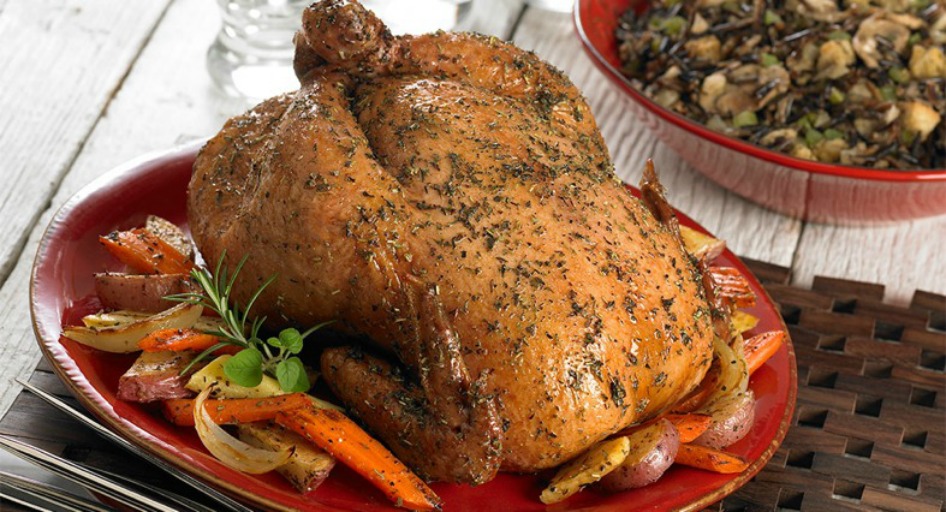
This is a very tasty dish ideal for a quick summer Sunday lunch. We like it served with a nice bottle of chilled blush wine.
- 3 cloves garlic minced
- 1/2 teaspoon paprika
- 3 tablespoons olive oil
- 2 pounds boneless chicken breasts trimmed of any fat
- 1/4 cup plain flour
- 2 cups wine i use the wine being served at dinner
- 1 tablespoon herbes de provence see recipe
- fresh rosemary, basil, parsley (optional)
- salt & freshly ground black pepper to taste
- Carbohydrate 6.63496833655877 g
- Cholesterol 86.6133333333333 mg
- Fat 3.66372083337476 g
- Fiber 0.362850009078661 g
- Protein 35.22272333377 g
- Saturated Fat 0.745920000006551 g
- Serving Size 1 1 Serving (233g)
- Sodium 127.205916666751 mg
- Sugar 6.27211832748011 g
- Trans Fat 0.563837500013738 g
- Calories 263 calories
Step-by-step
- Mix the flour and the paprika, roll the chicken breasts in the flour mixture.
- Heat the olive oil in a large pot, and add the chicken browning it in small enough batches so that the meat browns nicely.
- Remove the meat, and saute the garlic, remember not too much or it will catch and become bitter
- Add the wine and scrape the brown bits from the bottom of the pot, stir, and cook on a high heat until a sauce forms.
- Turn down the heat to a low simmer, put the chicken back in the pan., sprinkle with the Herbes de Provence, salt, pepper and minced fresh herbs if desired and bake at 300f for 2 1/2 hours, or until the chicken is quite tender. Serve with a rice or potato dish.
Herbes de Provence does the heavy lifting in this dish by delivering a standardized blend of savory, marjoram, rosemary, thyme, and oregano that replicates the aromatic scrubland of southeastern France. Dried herbs possess a concentrated cellular structure that withstands prolonged heat better than tender leaves. This resilience allows them to release fat-soluble essential oils steadily over a long cooking duration without scorching. Combining these dried aromatics with a base of paprika and flour creates a seasoned exterior that dual-functions as a thickener for the pan juices.
Dredging chicken breasts in plain flour mixed with paprika establishes the foundation for a proper pan sauce. Flour contains starch granules that gelatinize when exposed to liquid, while paprika adds mild color and a subtle earthy warmth. Brown the meat in small batches inside a heavy-bottomed pot. Overcrowding the vessel releases excess moisture and stews the poultry instead of searing it. Searing triggers the Maillard reaction, developing complex savory compounds on the meat surface that will eventually dissolve into the braising liquid.
Deglazing the hot pot with two cups of wine dissolves the browned bits stuck to the bottom, known as fond. These caramelized proteins enrich the surrounding liquid with concentrated umami. Scrape the pan vigorously with a wooden utensil while the alcohol reduces over high heat. Turn the burner down to a low simmer before returning the poultry to the vessel. Maintaining a gentle thermal environment prevents the lean white meat from seizing up and turning chalky during the extended two-and-a-half-hour bake at 300 degrees Fahrenheit.
Fresh herbs introduce volatile aromatic compounds that dried varieties lose during industrial dehydration. Adding minced fresh rosemary, basil, or parsley at the final stage preserves their bright, herbaceous top notes. Dried herbs provide depth through slow flavor extraction, whereas fresh counterparts contribute vibrant punctuation right before serving. Adjust the seasoning with salt and freshly ground black pepper after the reduction has concentrated the natural salinity of the pan sauce.



