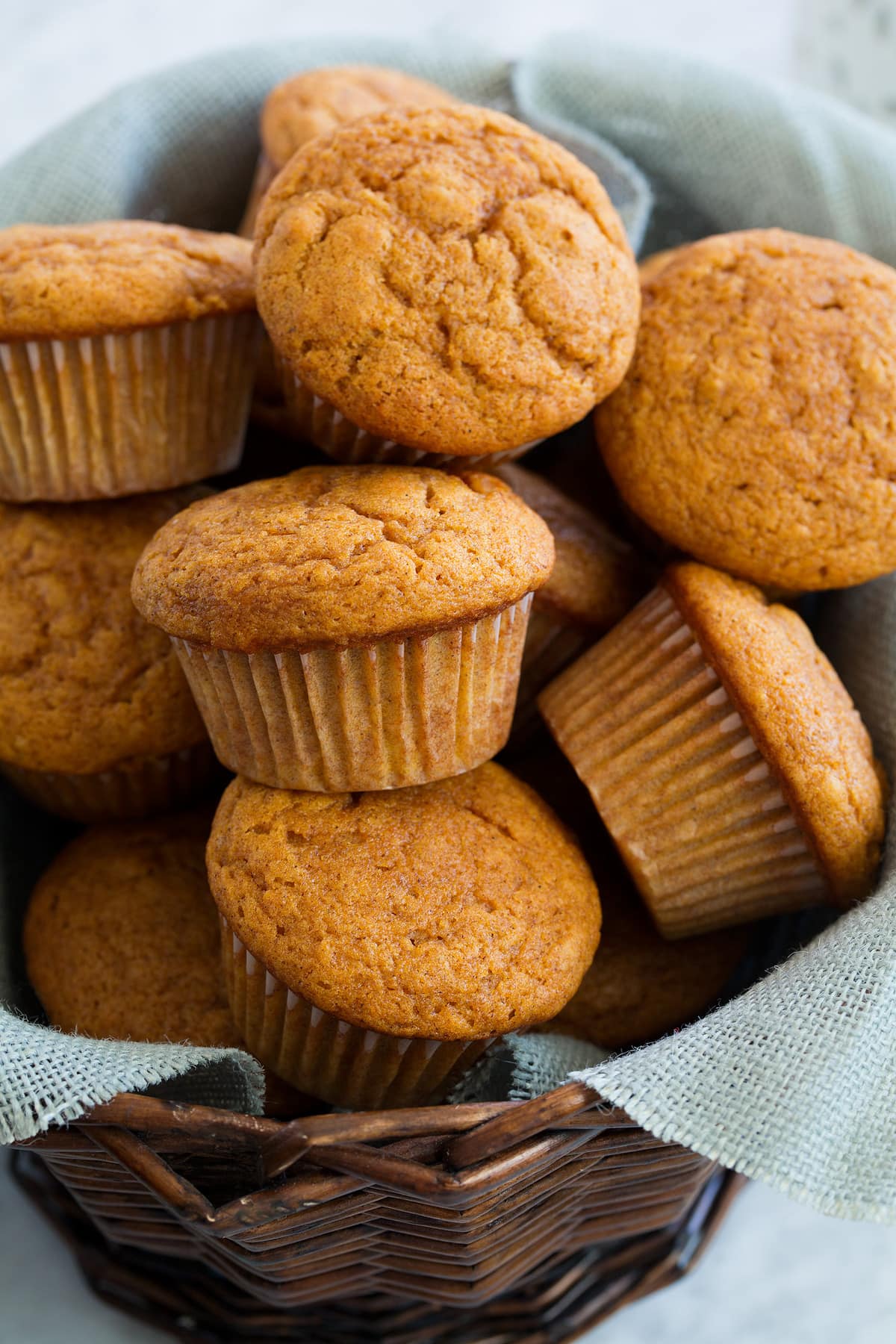
Muffins
- Carbohydrate 67.6350383333333 g
- Cholesterol 0 mg
- Fat 8.14104166666667 g
- Fiber 7.1650666992267 g
- Protein 4.01971333333333 g
- Saturated Fat 1.577255 g
- Serving Size 1 1 Serving (128g)
- Sodium 403.166 mg
- Sugar 60.4699716341066 g
- Trans Fat 0.394447666666667 g
- Calories 344 calories
Step-by-step
- Cream margerine and sugar.
- add applesauce, pumpkin and spices.
- mix well and add flour and baking soda.
- put batter in muffin tin. Fill the tin full as these muffins do not rise much.
- bake at 350 for 20-25 minute
- These muffins are best warm but keep for days when stored properly. So grab a cup of tea and a hot muffin and enjoy fall!
Bakers often ruin dense batters like this one by overmixing the flour once it hits the wet ingredients, which directly activates the gluten network in the whole wheat and turns a tender crumb into a tough, rubbery disappointment. Achieving the correct crumb structure requires precise control over mechanical action and chemical leavening agents.
- Cream the margarine and brown sugar thoroughly until the mixture appears light and aerated, because this incorporates microscopic air cells that the baking soda will later expand.
- Measure the whole wheat flour carefully by spooning it into the dry measuring cup and leveling it off with a straight edge, preventing excess density that halts proper rising.
- Fill the muffin tin completely to the brim before baking at 350 degrees Fahrenheit, compensating for the lack of traditional chemical leavening power by relying on the sheer volume of dense batter to hold its shape during the 20 to 25 minute bake time.
- Monitor the baking progress visually by pressing the center of a muffin gently; it should spring back slightly when done without leaving an indentation.
Standard muffin tins work well, but silicone molds offer an easy release if greasing is omitted. Proper storage in an airtight container keeps the remaining portions moist for several days after baking.


