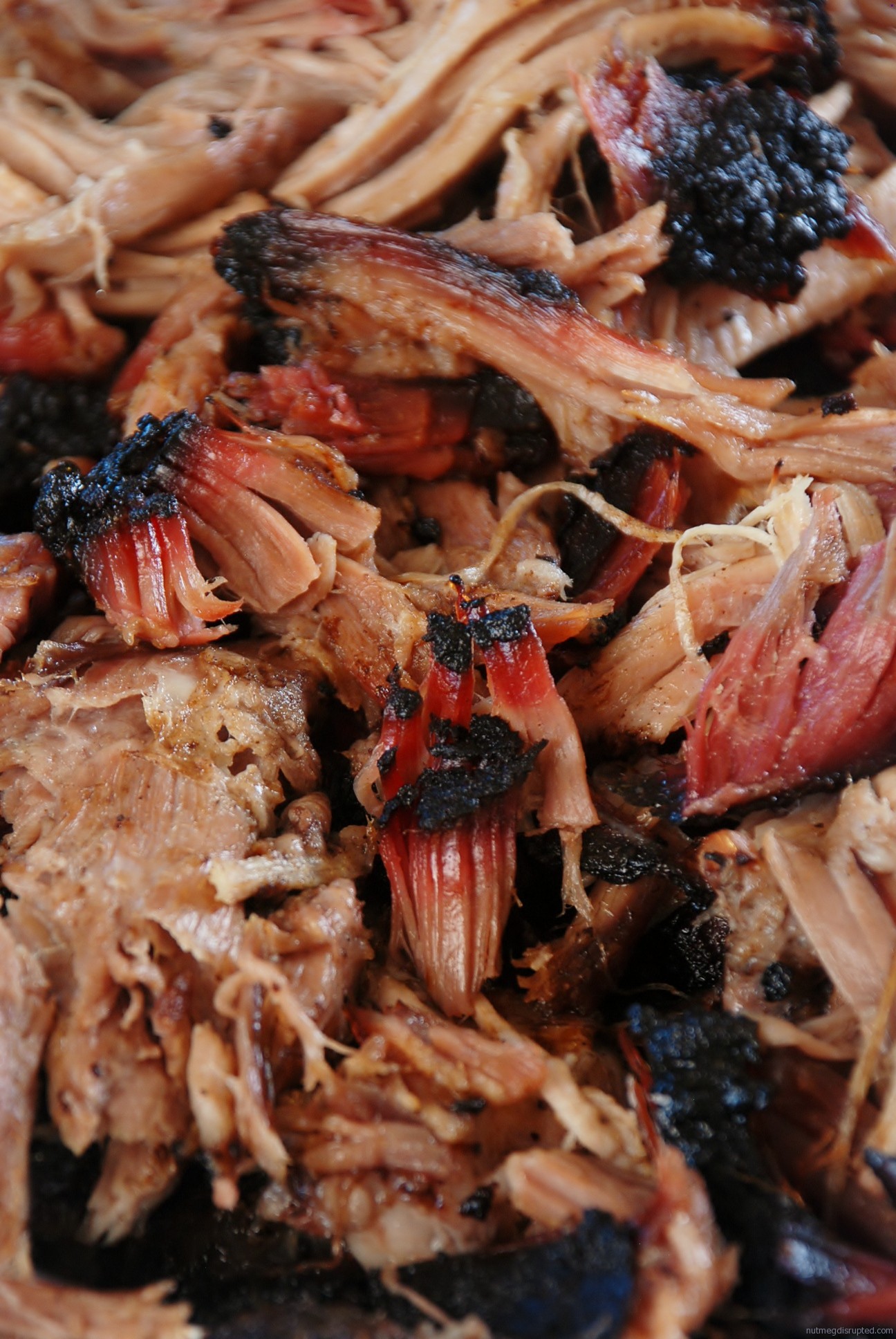
This recipe is always a hit! I smoke it on a Traeger Wood Pellet Grill
- Carbohydrate 0 g
- Cholesterol 0 mg
- Fat 0 g
- Fiber 0 g
- Protein 0 g
- Saturated Fat 0 g
- Serving Size 1 1 Serving (0g)
- Sodium 0 mg
- Sugar 0 g
- Trans Fat 0 g
- Calories 0 calories
Step-by-step
- Start you smoker on "Smoke" (150-180 degrees).
- Cover Pork Butt with Pulled Pork Rub.
- Insert a thermometer into Pork Butt.
- Place Pork Butt, fat side up, directly on the rack in the smoker.
- Cook on "Smoke" (150-180 degrees) for 10-12 hours or until internal temperature is up to 175-185 degrees.
- Turn smoker up to 275-300 degrees until internal temperature reaches 200 degrees.
- Take the Pork Butt out of the smoker and allow it to rest for 15-30 minutes.
- Then pull a part with two sturdy forks or your hands.
- You can also chop it if you prefer.
Purchasing boneless pork shoulder instead of expensive beef cuts yields maximum servings for minimal cost. Trimming excessive external fat down to a quarter-inch layer prevents seasoning from sliding off while retaining sufficient moisture during long cooking cycles. This cut naturally fits gluten-free, dairy-free, and nut-free eating patterns without requiring specialized specialty ingredients or expensive commercial substitutes. Ensuring spice rubs remain free of hidden wheat fillers maintains absolute safety for gluten-sensitive diners.
Maintaining low smoke temperatures between 150 and 180 degrees Fahrenheit builds deep smoke penetration during the initial ten to twelve hours. Raising smoker heat to 275 degrees later accelerates the breakdown of tough connective tissue until internal probes read 200 degrees. Positioning the meat fat-side up allows rendering fats to baste the muscle naturally as heat circulates. Inserting meat thermometers into the thickest center portion away from bone ensures accurate readings.
Allowing cooked meat to rest for fifteen to thirty minutes redistributes juices before shredding with forks or hands. Extra portions store safely inside airtight containers within refrigerators for three to four days. Chilled remnants transform efficiently into quick tacos, breakfast hashes, or soup bases without losing structural integrity. Freezing shredded meat in flattened freezer bags extends storage periods for future meal preparation.


