Very Cherry Pie
A perfect mixture of tart and sweet is created by combining frozen tart cherries and dried cherries, each imparting their own flavor. An exceptional cherry pie for those who want that plump, juicy, real cherry flavor and texture without a great deal of effort. This pie is remarkably easy to achieve and takes little time, especially if you use a frozen pie crust. You may never use canned pie filling again!
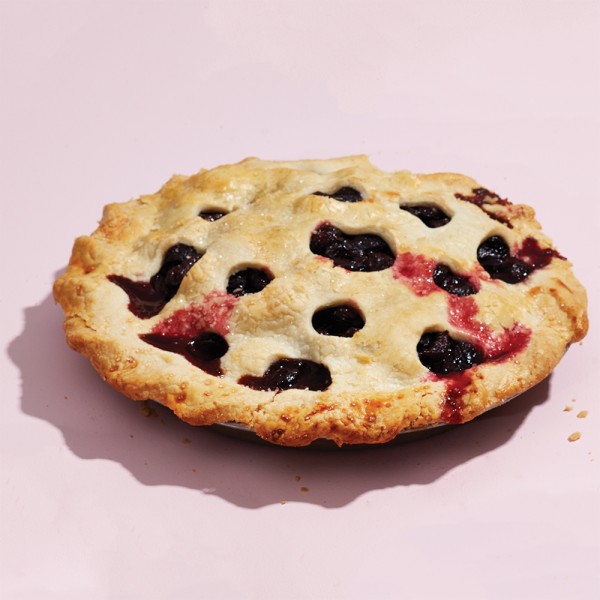
A perfect mixture of tart and sweet is created by combining frozen tart cherries and dried cherries, each imparting their own flavor. An exceptional cherry pie for those who want that plump, juicy, real cherry flavor and texture without a great deal of effort. This pie is remarkably easy to achieve and takes little time, especially if you use a frozen pie crust. You may never use canned pie filling again!
- 2 tablespoons quick-cooking tapioca
- pastry for 9 inch double pie crust frozen or your own recipe
- 4 cups frozen unsweetened tart cherries often called
- 1 cup dried tart cherries any dried cherries are normally fine
- 1 cup sugar white granulated
- 1/2 teaspoon almond extract not imitation is best
- 1/4 teaspoon ground nutmeg freshly ground is nice
- 1 tablespoon butter i use salted
- Carbohydrate 128.207391438553 g
- Cholesterol 3.81289062663513 mg
- Fat 12.4020206638624 g
- Fiber 15.3590002374507 g
- Protein 10.6180423028136 g
- Saturated Fat 3.86018971241958 g
- Serving Size 1 1 Serving (957g)
- Sodium 135.360451948973 mg
- Sugar 112.848391201102 g
- Trans Fat 1.4146504740643 g
- Calories 617 calories
Step-by-step
- Preheat oven to 375 degrees F.
- For the filling: Combine frozen cherries, dried cherries, sugar, tapioca, and almond extract into a large mixing bowl. Mix well. (It is NOT necessary for frozen cherries to be thawed first.) Let this mixture stand for 15 minutes. Meanwhile, prepare your crust...
- For the crust: Use your favorite pie crust recipe, or use frozen. You will need enough for a double 9" pie, both the top and the bottom. Consider making a lattice for the top, along with leaf cutouts and/or other cherry-pie-appropriate pastry embellishments. (Remember if using Rolled FROZEN crusts straight from the freezer an hour or more on the counter may be necessary before usable. Place frozen pastry in the refrigerator the night before, or factor in sufficient time for thawing.)
- Assemble the Pie: Line a 9" pie plate with half of your pastry. Give a quick stir to your filling and then fill the pie plate. Sprinkle top of filling with nutmeg (I grate nutmeg with a fine hand grater and use about twice what the recipe calls for, or 1/2 teaspoon instead of 1/4). Dot with butter. Cover with the top crust, cutting slits for steam to escape or create a lattice by cutting top pastry into strips. Crimp edges. The recipe does not call for an egg wash and a dusting of sugar but I normally do this, especially if I choose a solid, slit-top crust.
- Baking the Pie: Bake in a preheated oven for 1 hour or until top is golden and filling bubbly. If necessary cover the edge of the crust with foil to prevent over-browning. Let cool at least partly before cutting, if you can manage to wait. This is excellent served warm with ice cream, and unlike many cherry pies cuts remarkable well even if not cooled entirely.
While fresh summer fruit produces a thin, watery liquid that routinely dissolves pastry crusts from within, combining frozen and dried tart cherries solves this structural dilemma completely. The frozen fruit retains its cell walls during freezing, but once thawed and baked, it releases an abundance of free-flowing juice that requires careful starch management. Letting the frozen cherries, sugar, tapioca, and almond extract sit together for fifteen minutes allows the quick-cooking tapioca granules to hydrate partially in the cold fruit juices before entering the oven, which prevents the thickening agent from forming gummy lumps.
Simultaneously, incorporating dried tart cherries introduces a concentrated pocket of chewy texture while actively absorbing excess moisture released by the thawing fruit during the baking process. Because dried fruit has lost most of its native water content, it acts as a secondary thickener by pulling in surrounding liquid, yielding a cohesive, jammy consistency rather than a runny pool. When building the double-crust assembly, ensure you cut adequate ventilation slits into the top pastry sheet at 375 degrees Fahrenheit so steam can escape without rupturing the crimped edges.
Protecting the perimeter with a ring of aluminum foil halfway through the sixty-minute baking window stops the butter-laden pastry from scorching before the interior juices reach a bubbling boil. Serving this dessert warm alongside cold vanilla bean ice cream provides a thermal contrast that cuts through the intense acidity of the tart fruit profile.


