Ratatouille My Way
I used to make enormous vats of ratatouille that would sit in a steam table all night and as the evening progressed the veggies would continue to cook until they were indistinguishable mush. I HATED IT Now, when I get the urge for all the lucious goodness of fresh veggies, I make ratatouille my way and it makes me very happy
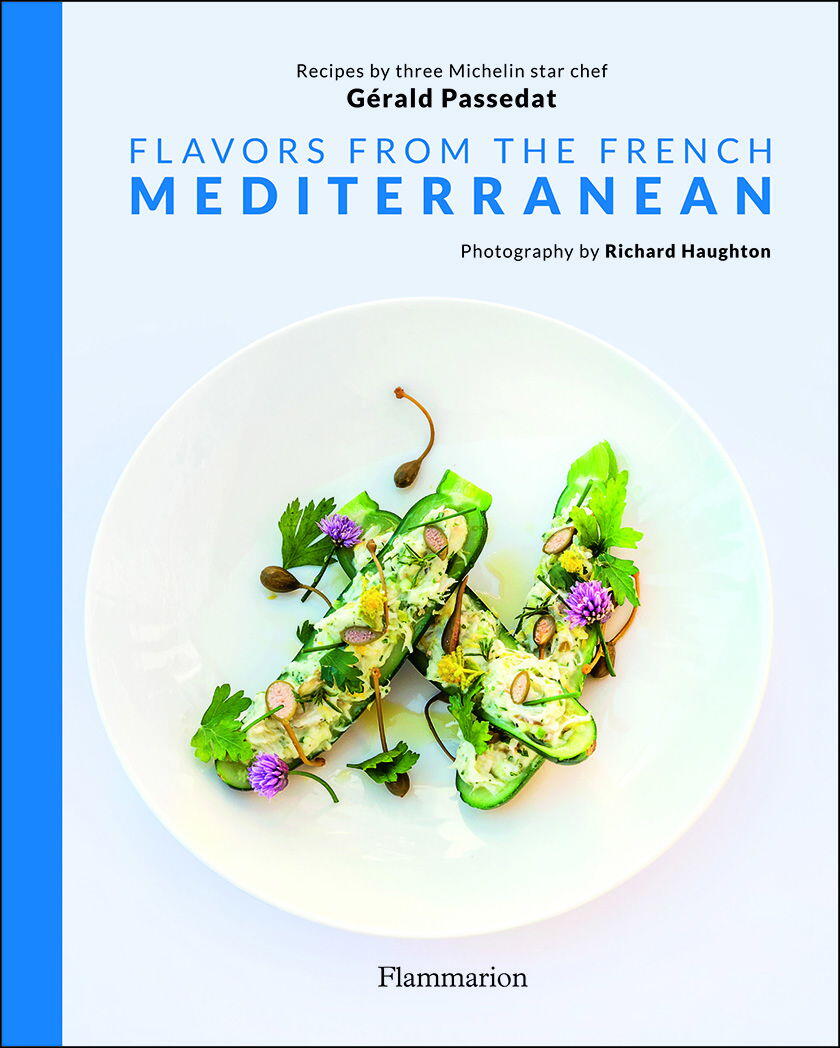
I used to make enormous vats of ratatouille that would sit in a steam table all night and as the evening progressed the veggies would continue to cook until they were indistinguishable mush. I HATED IT Now, when I get the urge for all the lucious goodness of fresh veggies, I make ratatouille my way and it makes me very happy
- sea salt
- fresh ground black pepper
- 1 extra virgin olive oil
- 1 red pepper
- 1 green pepper
- 1 medium eggplant cut in medium sized cubes
- 2 zucchini
- 2 yellow squash
- 1 head garlic most of the outer peel pulled off
- 2 large yellow onions cut in coarse wedges
- 1 box white button mushrooms or crimini left whole
- 1 yellow pepper
- 2 lbs roma tomatoes stem ends removed and halved
- fresh marjoram if available
- several sprigs fresh thyme leaves
- handful parsley coarsely chopped
- 2 long pieces lemon rind
- lemon , juice of 1
- crushed red pepper flakes sprinkle of
- few shaving parmesan if you must gild the lily
- Carbohydrate 20.42303875 g
- Cholesterol 0 mg
- Fat 29.2054334595404 g
- Fiber 6.8788126193285 g
- Protein 4.16685625 g
- Saturated Fat 4.06795245649334 g
- Serving Size 1 1 Serving (416g)
- Sodium 36.8498872691908 mg
- Sugar 13.5442261306715 g
- Trans Fat 1.03798936248436 g
- Calories 339 calories
Step-by-step
- Line a large sheet pan with foil.
- Preheat oven to 450 degrees while you prep the veggies.
- Toss the eggplants, zucchini, yellow squash in a scant amount of oil, you don't want them drenched.
- Put on sheet pan, don't crowd and sprinkle with sea salt and ground black pepper.
- Trim the end of the garlic bulb and rub generously with oil.
- Toss peppers and onion and mushrooms with scant oil and put on the other end of the sheet pan. Again, don't crowd.
- If there is too much for your sheet pan, fix up another sheet pan and plan to rotate the pans while cooking.
- DON'T ROAST THE TOMATOES.
- Roast the veggies in hot oven for about 20 minutes. You want each to maintain their shape but to get a tiny bit of char on the surface.
- Don't cook the garlic to mush, you want to be able to just squeeze it from the bulb.
- Finally dump all the veggies into a stock pot, including the prepped tomatoes, squeeze the garlic out of the bulb into the pot, the thyme leaves, the marjoram, the lemon rind and the lemon juice and a sprinkle of red pepper flakes.
- Cook over low heat until the tomatoes give up their juice and stir only enough to combine, you don't want to break down the veggies anymore if at all possible.
- At service, fish out lemon rind and thyme branches if you left them whole. Garnish with chopped fresh parsley and long shavings of parmesan.
Roma tomatoes anchor this dish by providing a fresh, raw baseline that melts down slowly on the stove without turning the earlier-roasted components into mush. Leaving these tomatoes unroasted until the final simmer preserves bright acidity and prevents the watery breakdown common in traditional slow-simmered batches.
Modifying the core vegetables requires careful attention to moisture content and surface area. Swapping yellow squash for zucchini works seamlessly at a one-to-one ratio, but denser root vegetables like carrots or potatoes demand par-boiling before they ever touch a sheet pan, otherwise they will remain hard while the soft summer squashes overcook. Mushrooms like white button or crimini should stay whole to retain their chew rather than releasing excessive liquid into the roasting tray.
Temperature control dictates the boundary between caramelization and steaming. Operating a home oven at 450 degrees Fahrenheit ensures the cut surfaces of eggplant, bell peppers, and onions develop charred edges within twenty minutes while the interiors retain structural integrity. Crowding the baking sheet forces the vegetables to release steam rather than roast, so utilize a second pan if necessary to maintain proper spacing.
Balancing the finished pot requires monitoring the reduction stage carefully over low heat. Acid from fresh lemon juice and heat from red pepper flakes cut through the concentrated olive oil, while discarding woody herbs like thyme sprigs and lemon rind prior to plating keeps the texture clean.
Modifying the core vegetables requires careful attention to moisture content and surface area. Swapping yellow squash for zucchini works seamlessly at a one-to-one ratio, but denser root vegetables like carrots or potatoes demand par-boiling before they ever touch a sheet pan, otherwise they will remain hard while the soft summer squashes overcook. Mushrooms like white button or crimini should stay whole to retain their chew rather than releasing excessive liquid into the roasting tray.
Temperature control dictates the boundary between caramelization and steaming. Operating a home oven at 450 degrees Fahrenheit ensures the cut surfaces of eggplant, bell peppers, and onions develop charred edges within twenty minutes while the interiors retain structural integrity. Crowding the baking sheet forces the vegetables to release steam rather than roast, so utilize a second pan if necessary to maintain proper spacing.
Balancing the finished pot requires monitoring the reduction stage carefully over low heat. Acid from fresh lemon juice and heat from red pepper flakes cut through the concentrated olive oil, while discarding woody herbs like thyme sprigs and lemon rind prior to plating keeps the texture clean.


