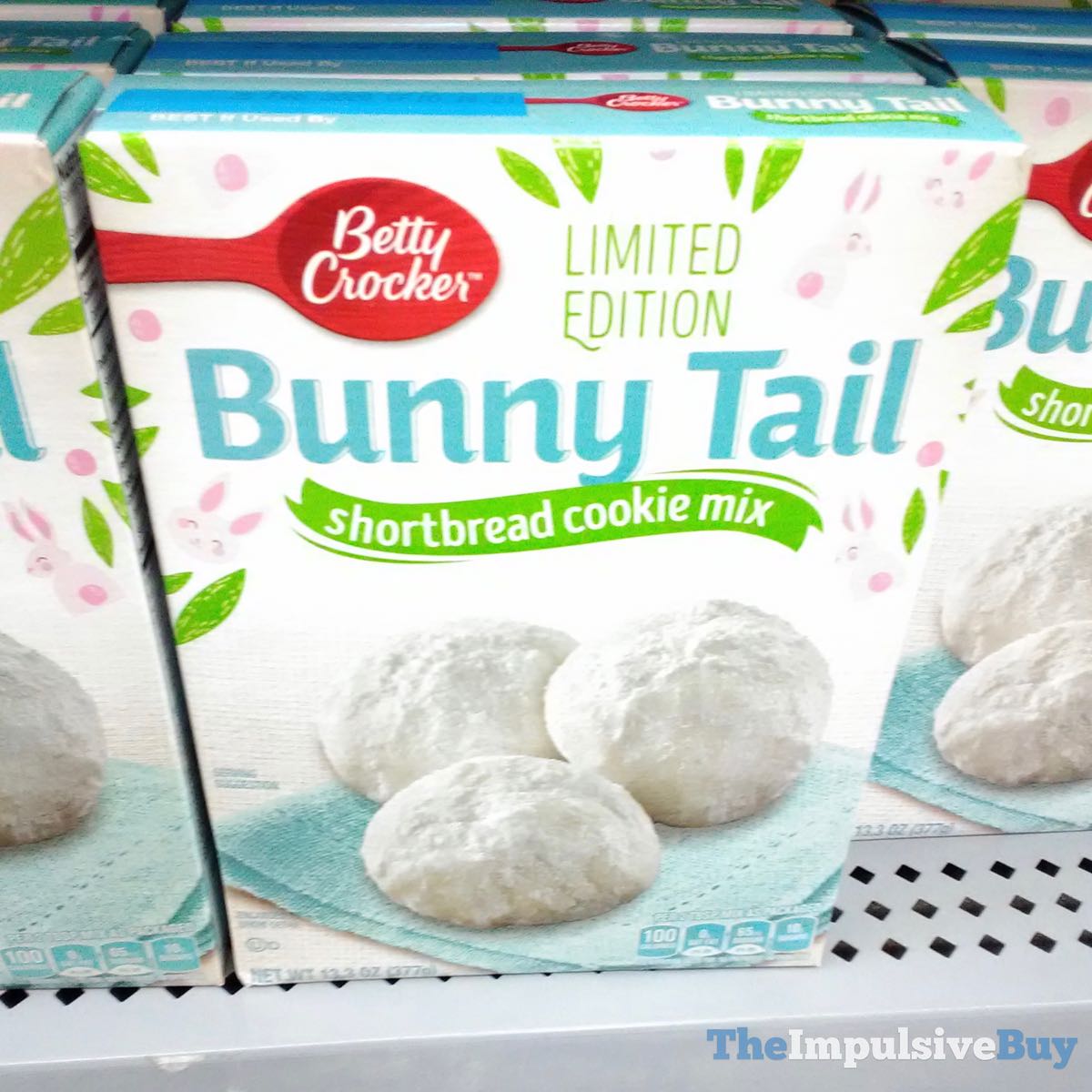
My first recipe I ever followed as a child. Yummy.
- Carbohydrate 15.160086 g
- Cholesterol 14.6415 mg
- Fat 5.641191 g
- Fiber 0.324000005722046 g
- Protein 1.297485 g
- Saturated Fat 3.5167608 g
- Serving Size 1 1 Serving (25g)
- Sodium 39.4656 mg
- Sugar 14.836085994278 g
- Trans Fat 0.425671799999999 g
- Calories 116 calories
Step-by-step
- Heat oven to 350F.
- Cream butter and sugar well.
- Add in flour and mix well.
- Roll dough out to 1/3-1/2" thick and cut as desired.
- Cook approx 20 min (less if convection oven).
Unlike standard sugar cookies that rely on eggs for structure, traditional shortbread depends entirely on the high fat content of butter to achieve its characteristic crumbly texture. This Scottish staple dates back to medieval biscuit bread, originating from leftover dough that was dried out in an oven. Creaming the butter and sugar thoroughly incorporates air into the fat matrix, which prevents the resulting cookies from turning dense. Measure flour accurately by spooning it into the measuring cup rather than scooping directly from the bag to avoid a tough product. Roll the dough evenly to a thickness of one-third to one-half inch to ensure uniform baking. Bake the shaped dough in a preheated 350-degree Fahrenheit oven for approximately twenty minutes. Watch for a pale golden edge while keeping the centers light to signal doneness. Reduce the baking time if utilizing a convection oven to prevent over-browning. Raw shortbread dough freezes exceptionally well. Wrap the unbaked dough tightly in plastic wrap and store it in the freezer for up to three months. Slice frozen logs directly before baking, adding an extra two minutes to the total oven time. Baked shortbread keeps in an airtight container at room temperature for up to two weeks without losing its crisp bite.


