Low Carb Beefed-up Meat Loaf
The first time I made this, I didnt put it in a 9x5 pan so I had to cook it longer. The taste was great however. This will be my Somersizing first recipe
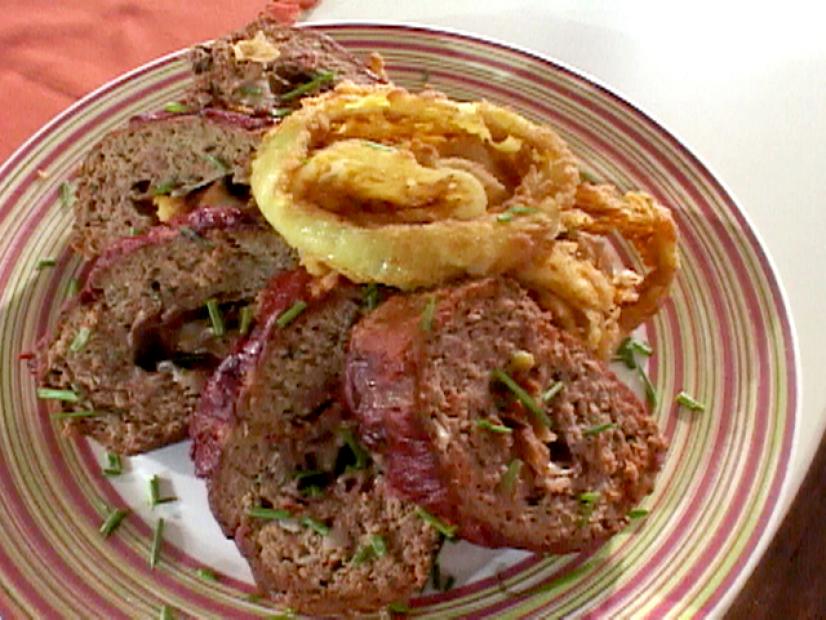
The first time I made this, I didnt put it in a 9x5 pan so I had to cook it longer. The taste was great however. This will be my Somersizing first recipe
- 2 eggs
- 1/2 teaspoon dried basil
- 1 teaspoon kosher salt
- 2 cloves garlic minced
- 2 tablespoon fresh parsley chopped
- 2 pounds ground chuck
- meatloaf
- 1/4 cup splenda
- 1/2 cup parmesan
- 1/4 cup onion diced
- 1/4 cup red bell pepper diced
- tomato topping
- 1 (8z) can tomato sauce
- 1 8oz. can tomato paste
- 2 teaspoons vinegar
- 1/2 teaspoon ground pepper
- 1/2 pound provolone cheese sliced
- Carbohydrate 8.44658466145814 g
- Cholesterol 368.715 mg
- Fat 37.87857140625 g
- Fiber 0.185832027174532 g
- Protein 36.795391171875 g
- Saturated Fat 16.39733734375 g
- Serving Size 1 1 Serving (225g)
- Sodium 649.298291666657 mg
- Sugar 8.2607526342836 g
- Trans Fat 4.9665551875 g
- Calories 526 calories
Step-by-step
- Preheat oven to 350 degrees.
- In a small bowl, mix together the tomato topping ingredients. Set aside.
- In a large bowl, mix together the beef, eggs, Parmesan, vegetables, herbs, and seasonings.
- Working on a waxed paper lined sheet or counter, form meatloaf mix into a 10x8" flat rectangle on the waxed paper. Place a layer of provolone cheese slices on top. Roll up the stuffed meatlof mix like a burrito and seal all around by pinching the meat.
- Place the roll, seam side down, into a 5x9" loaf pan. Spread a heavy coat of tomato topping to completely cover the top of the meatloaf. Place in oven and bake for about 1 hour and 15 minutes or until temp on meat thermometer register 165 degrees (for me it took 1/2 hour longer but I put loaf in large pan rather than loaf pan.) Drain fat and let reat at least 10 minutes before slicing.
The Mechanics of Meat Selection
Ground chuck offers an ideal eighty-twenty lean-to-fat ratio necessary for structural integrity. Excessively lean beef results in a dry, crumbly texture because muscle fibers tighten and expel moisture during baking. Ground chuck provides sufficient intramuscular fat to lubricate the protein matrix. Mixing the meat gently prevents the formation of dense, sausage-like textures. Overworking the proteins develops toughness by aligning the muscle fibers into a dense web. Incorporating grated cheese and vegetables directly into the raw grind adds pockets of moisture that steam during cooking, keeping the interior tender.Rolling and Structural Containment
Shaping the meat mixture into a flat rectangle before layering cheese creates an even distribution throughout the loaf. Placing provolone across the surface requires leaving a half-inch border of bare meat to secure the seal. Rolling the rectangle tightly eliminates interior air pockets that cause the loaf to expand and rupture. Seam placement matters significantly during baking. Positioning the seam downward against the base of a 9x5-inch loaf pan prevents the cylinder from unrolling as the fats render. A standard loaf pan constricts the sides, forcing the meat upward and maintaining a dense profile.Internal Temperature and Rest Phases
Ground beef requires an internal temperature of 165 degrees Fahrenheit for food safety. Monitoring the center with an instant-read thermometer avoids overcooking, which squeezes out the remaining internal juices. Resting the baked loaf for ten minutes allows the muscle fibers to relax and reabsorb moisture. Slicing immediately causes the juices to run out onto the cutting board, resulting in dry portions. Draining excess accumulated fat prior to the resting phase keeps the crust from becoming soggy.


