How to Make Fresh Ravioli
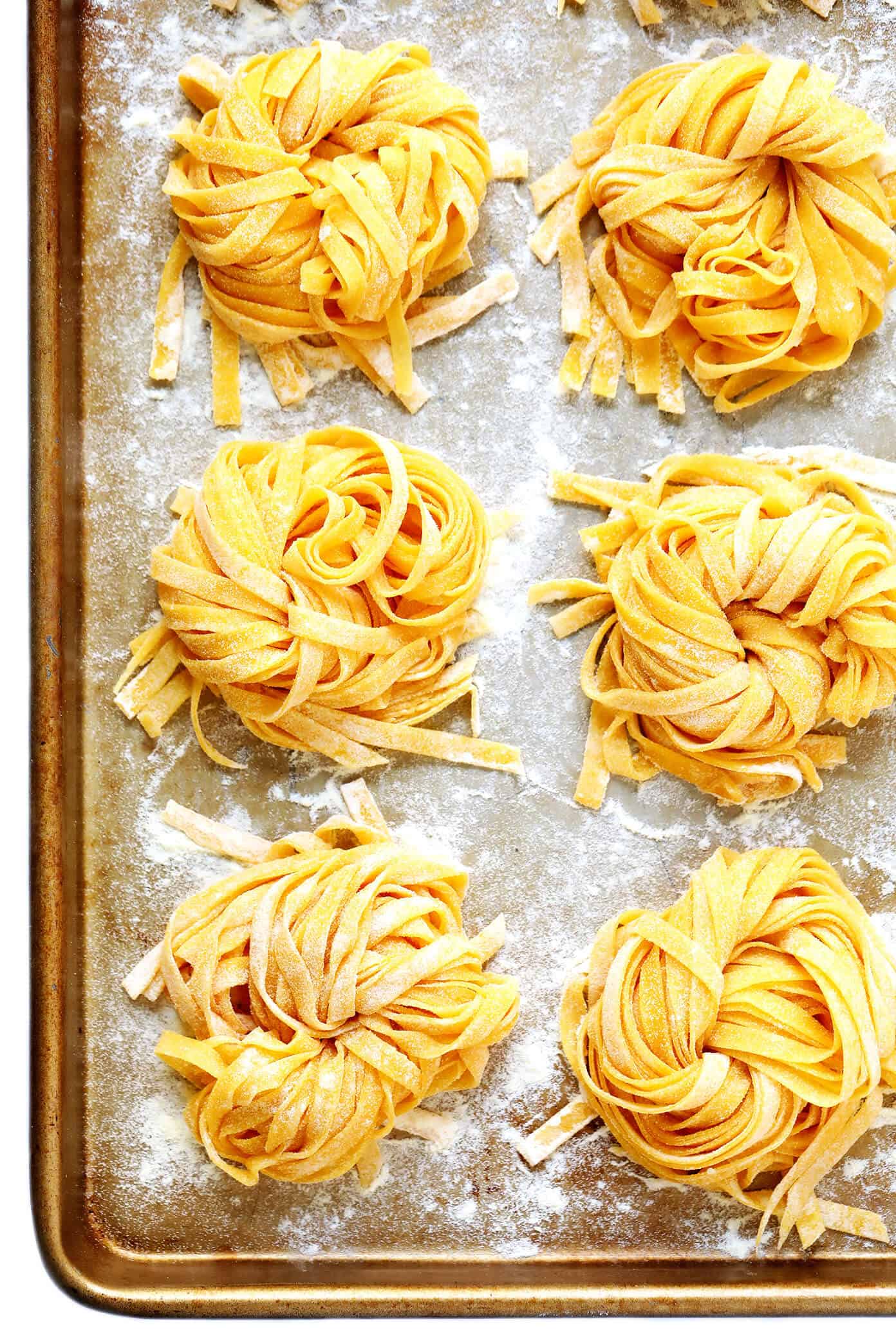
Once you've learned to make fresh pasta sheets you're ready to make your own ravioli. I used an inexpensive ravioli press, which I highly recommend. You can cut and pinch them by hand, but it will take you a lot longer and they will be a little less uniform, which I guess is ok if you're going for a rustic, homemade look. For making ravioli, I don't dry the pasta for as long as I would normally. This helps to seal the edges and prevents the filling from cracking the dough. There are countless fillings you can use for your ravioli, but I've gone fairly basic for the first time around. I made a simple ricotta and mascarpone cheese filling with watercress. You'll often see spinach and cheese ravioli in the store, but the watercress lends a peppery bite to the mixture that you don't get with spinach.
Once you've learned to make fresh pasta sheets you're ready to make your own ravioli. I used an inexpensive ravioli press, which I highly recommend. You can cut and pinch them by hand, but it will take you a lot longer and they will be a little less uniform, which I guess is ok if you're going for a rustic, homemade look. For making ravioli, I don't dry the pasta for as long as I would normally. This helps to seal the edges and prevents the filling from cracking the dough. There are countless fillings you can use for your ravioli, but I've gone fairly basic for the first time around. I made a simple ricotta and mascarpone cheese filling with watercress. You'll often see spinach and cheese ravioli in the store, but the watercress lends a peppery bite to the mixture that you don't get with spinach.
- Carbohydrate 33.665376898 g
- Cholesterol 686.736 mg
- Fat 143.00334491955 g
- Fiber 5.05881105875549 g
- Protein 96.062325785 g
- Saturated Fat 82.8497015898379 g
- Serving Size 1 1 Serving (1131g)
- Sodium 2292.71444669999 mg
- Sugar 28.6065658392445 g
- Trans Fat 15.4734503109878 g
- Calories 1767 calories
Step-by-step
- Start by heating some olive oil in a large pan. Add the garlic and when it just starts to brown add the watercress and toss. Season with salt and pepper and set aside on a cool plate after the cress is slightly wilted.
- In a small bowl, combine the ricotta (drain first in a fine mesh sieve or cheese cloth), mascarpone, mozzarella and Parmesan. Season with salt, pepper, a pinch of crushed red pepper and dried oregano.
- In a separate bowl, whip one egg with a fork or whisk, and then fold it into the cheese mixture.
- Once the watercress is cool, dump any excess moisture and finely chop the sautéed greens. Fold the cress into the cheese mixture, then cover and refrigerate.
- Cut your pasta sheets to fit over the metal ravioli form, making sure there is enough room around the edges.
- Place one sheet over the metal form and use the plastic press to form pockets in the dough. Make sure the edges of the sheet still cover the jagged edges on the form, otherwise those ravioli will not seal properly. If your sheets are a little too small, as mine were, that’s ok. Just leave the ones that don’t reach the edges empty.
- You should now have some nice pockets for your filling. Use a small spoon to gently place your filling in the pockets, being careful not to add too much, otherwise the filling will come out along the edges, making it difficult to seal. (Sorry, forgot to take a picture with the filling!)
- Use a pastry brush, or your finger, to moisten the edges around and in between the ravioli with egg or water. This will help to seal the two pasta sheets together in the next step.
- Layer another sheet on top of the filled ravioli and using your rolling-pin, seal the two sheets together cutting the ravioli along the jagged cutting edge. If the rolling-pin doesn’t cut them perfectly, just use your fingers and press down on the problem areas.
- Gently remove the ravioli from the form and place on a lined baking sheet. Cook them fresh within two days or freeze immediately. Once frozen, they can be removed from the sheet and stored in a freezer-safe plastic bag or container.
- In a large pan, sauté some sliced garlic over a medium flame in some butter.
- Add your tomatoes, cut in half with the cut-side down and cook for about two minutes.
- Add the ravioli and a small amount of the pasta water you cooked them in to the pan. Season with salt and pepper and reduce for about one minute or until the sauce is clinging to the ravioli.
- Toss with fresh basil and serve with freshly grated Parmesan or Pecorino cheese.
Overfilling the pockets is the single biggest error cooks make when assembling fresh ravioli. Excess filling forces its way past the edges during pressing, leaving gaps where boiling water will inevitably penetrate and dissolve the cheese inside. Keep portions conservative, leaving a clean margin of dough around every mound.
Moisture control dictates whether the pasta seals properly. Ricotta must be thoroughly drained in a fine mesh sieve or cheese cloth beforehand to strip out excess water that would otherwise weaken the dough. Leaving pasta sheets slightly less dry than usual also helps the top and bottom layers fuse tightly under pressure.
Pairing these rich cheese parcels requires dishes that balance the dairy weight. A crisp, bitter green salad dressed with a sharp lemon vinaigrette cuts through the heavy mascarpone and mozzarella filling. Alternatively, roasted asparagus drizzled with aged balsamic vinegar provides an earthy contrast without competing with the peppery watercress.
Freezing demands immediate action once the shapes are cut. Transfer the finished tray directly to the freezer until solid within forty-eight hours of assembly, then transfer the pieces into a sealed plastic bag. This prevents the delicate wrappers from absorbing freezer odors or sticking together.


