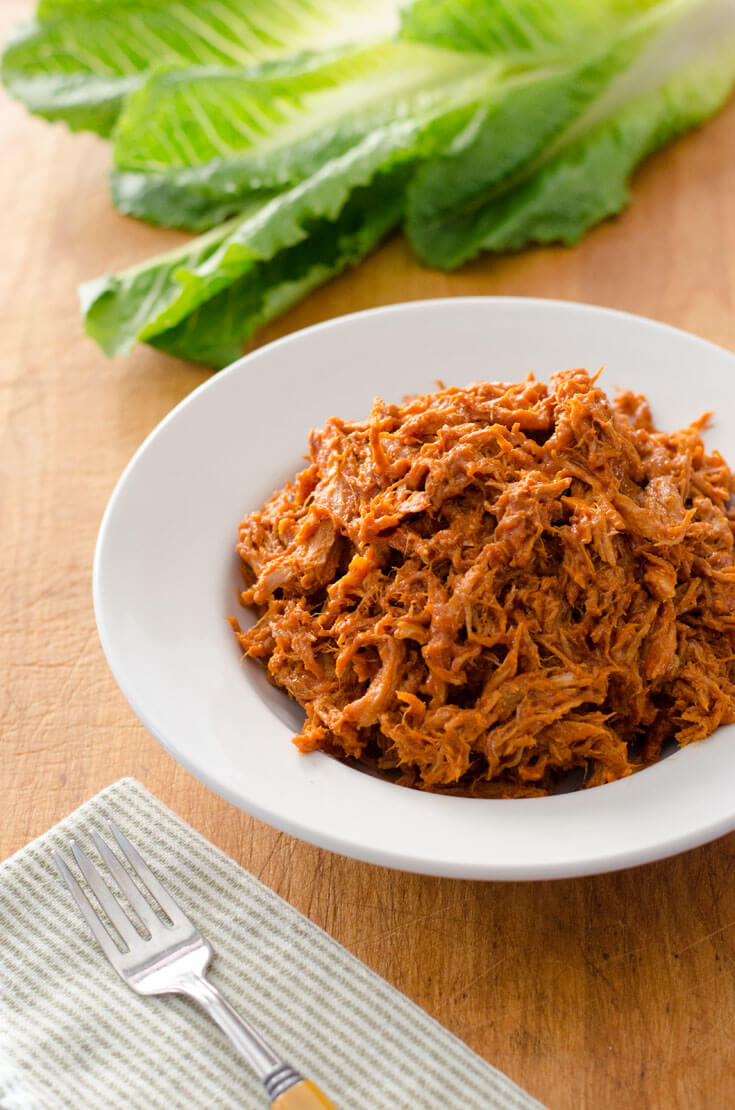
Sounds yummy
- Carbohydrate 23.43994382275 g
- Cholesterol 98.58 mg
- Fat 26.285784510582 g
- Fiber 0.81617487595141 g
- Protein 25.4732 g
- Saturated Fat 9.7116 g
- Serving Size 1 1 Serving (211g)
- Sodium 605.7240942802 mg
- Sugar 22.6237689467986 g
- Trans Fat 2.8726734051268 g
- Calories 439 calories
Step-by-step
- Slice one onion and place in crock pot.
- Put in the roast and cover with the other onion, sliced. Pour over the ginger ale. Cover and cook on LOW for about 12 hours.
- Remove the meat, strain and save the onions, discard all liquid. With two forks, shred the meat, discarding any remaining fat, bones or skin. Most of the fat will have melted away.
- Return the shredded meat and the onions to the crock pot, stir in the barbecue sauce. Continue to cook for another 4 to 6 hours on LOW.
- Serve with hamburger buns or rolls and additional barbecue sauce. Any leftovers freeze very well.
- TIP: freeze ready-made sandwiches - a scoop of meat on a bun, well-wrapped. These make a great quick meal or snack. To reheat, remove wrapping, wrap in a paper towel, and zap 1-2 minute in the microwave.
- Note: Shoulder or butt are recommended because the meat shreds very well. Other cuts do not shred as readily. It is a fattier cut, but the fat melts away in the cooking and is poured away when you discard the liquid.
- Note 2: I have an older, smaller crock pot. The above times work perfectly for me. But if you have a newer or bigger crock pot, you may need to revise times downward, esp. after the bbq sauce is added. I think you need at least a couple of hours for it all to meld, but that may be all you need.
- Note3: You might want to turn your roast over after it's cooked a while, to ensure more even cooking. I think this may depend on the size and shape of your roast and the size of your slow cooker. Remember that each time you remove the lid you lose heat and be careful, as turning a large piece of meat is awkward.
While a dry-rubbed pork roast roasted uncovered in a hot oven relies on high heat and a crusty exterior, slow-cooked pulled pork takes the opposite path by using sustained, moist heat to break down tough connective tissue. Choosing the right cut determines your final success. Pork shoulder or pork butt contains abundant intramuscular fat and collagen, which melt during long cooking into gelatin. Leaner cuts like loin lack this collagen and will dry out completely under the same conditions. Slicing the onions to line the bottom of the vessel elevates the meat slightly, preventing scorching while the ginger ale provides enough initial moisture to generate steam without overpowering the natural pork flavor.
The Mechanics of Melting and Shredding
Allowing the roast to cook undisturbed for twelve hours on low ensures the internal temperature reaches the point where collagen completely dissolves. Opening the lid repeatedly drops the internal temperature and extends the cooking time significantly. After the initial long cook, straining and discarding the accumulated cooking liquid removes excess rendered fat that would otherwise make the final mixture greasy. When shredding the meat using two forks, pull parallel to the grain for the longest, most tender strands. Returning the shredded meat to the heat source with the barbecue sauce for another four to six hours allows the proteins to absorb the sauce thoroughly.
- Discarding all initial cooking liquid is essential; retaining it will result in a watery final sauce.
- Modern slow cookers run hotter than older models, requiring reduced times after the sauce is added to prevent scorching.
- Freezing assembled sandwiches on buns works well for quick snacks, provided they are wrapped tightly to prevent freezer burn.


