Southern Meatloaf
I grew up in Virginia eating meatloaf and fried potatoes a couple times a month and once I moved out, I had to keep the tradition going. I never use measuring cups or spoons when I make this, but I'll do my best to give accurate amounts of the ingredients you should use. However, feel free to add a little more or a little less depending on your taste! I hope you enjoy this as much as I do!
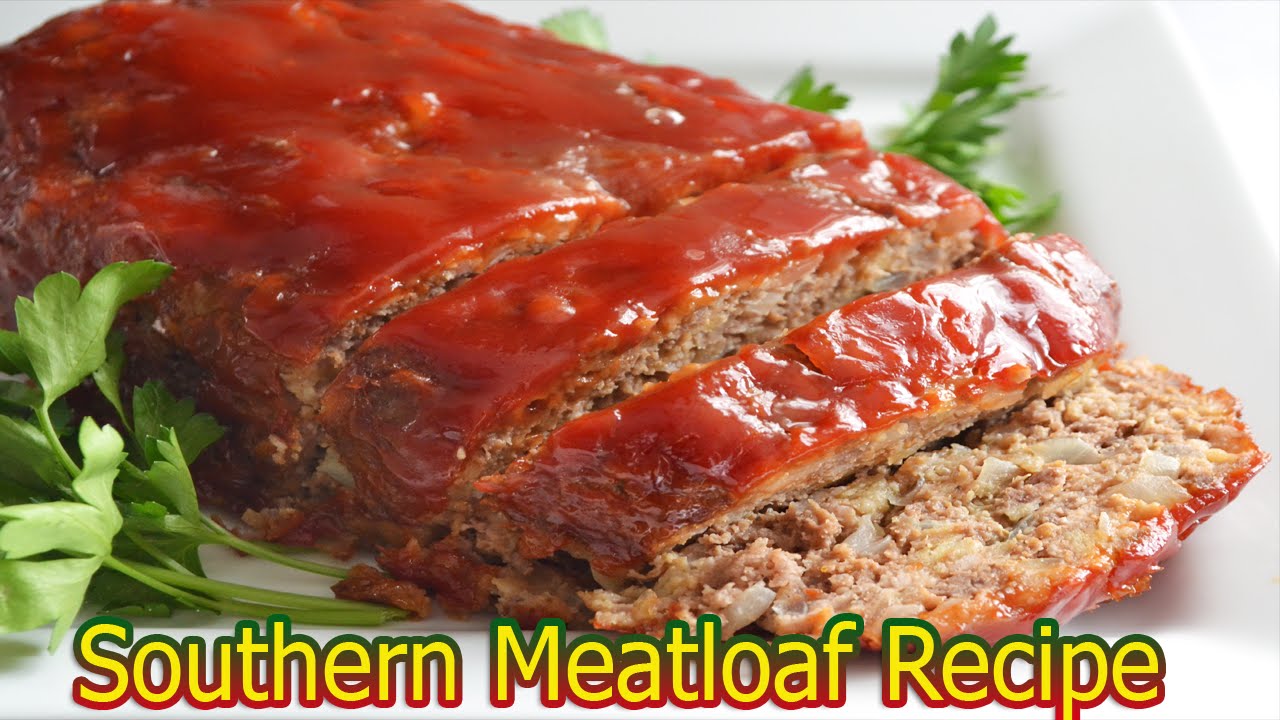
I grew up in Virginia eating meatloaf and fried potatoes a couple times a month and once I moved out, I had to keep the tradition going. I never use measuring cups or spoons when I make this, but I'll do my best to give accurate amounts of the ingredients you should use. However, feel free to add a little more or a little less depending on your taste! I hope you enjoy this as much as I do!
- 1 egg beaten
- 2 pounds ground beef
- 3 tablespoons worcestershire sauce
- 1 1/2 cups ketchup
- 1 teaspoon brown sugar
- 1 tablespoon cumin
- 3-8 dashes cayenne pepper depends on your spice level
- 1/2 tablespoon ground mustard
- 2 1/2 cloves garlic minced
- 1 1/2 onion finely chopped
- 2 tablespoons italian seasoning
- 2 cups roasted garlic bread crumbs
- 1 cup bbq sauce
- Carbohydrate 23.3824432374751 g
- Cholesterol 77.1107029 mg
- Fat 17.4798900288834 g
- Fiber 2.6802030227374 g
- Protein 23.2686763665301 g
- Saturated Fat 6.70821035012899 g
- Serving Size 1 1 Serving (224g)
- Sodium 1101.44818796019 mg
- Sugar 20.7022402147377 g
- Trans Fat 2.53216717122539 g
- Calories 347 calories
Step-by-step
- Preheat oven to 350 degrees.
- In a loaf pan or baking dish, rub the bottom and sides with butter.
- In a large mixing bowl combine all ingredients except the bbq sauce. This works best if you use your hands instead of a mixing spoon. The last ingredient you should put in the bowl are the roasted garlic bread crumbs. Gradually add them and only make the meatloaf be able to stick together to form into a loaf. If you add too much, you may add a splash more of worchestershire sauce or a tablespoon of ketchup. The meat should not be dry whatsoever.
- Once the ingredients are thoroughly combined, in either a loaf pan or baking dish, transfer the meat and shape into a loaf.
- Lastly, take the bbq sauce with a spoon or a pastry brush and cover the top (and sides if you are using a baking dish). You may not need to use the full cup of sauce. Place the meatloaf in the oven for 1 hour then let rest for 5 minutes. Place on a serving dish and cut 1 inch slices and enjoy! :)



