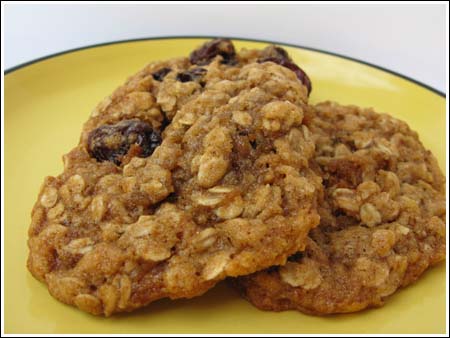
I do not want to write a description
- Carbohydrate 0.442393888888889 g
- Cholesterol 0.272222222222222 mg
- Fat 0.06168 g
- Fiber 0.0766999977959527 g
- Protein 0.231027222222222 g
- Saturated Fat 0.0377927777777778 g
- Serving Size 1 1 Serving (7g)
- Sodium 104.055277777778 mg
- Sugar 0.365693891092936 g
- Trans Fat 0.00390172222222222 g
- Calories 3 calories
Step-by-step
- Preheat 350
- in a large bowl, beat butter and sugar until creamy
- Add: eggs and vanilla
- beat well
- Combine: flour, baking soda, cinnamon, salt
- Add dry to wet
- Add: oats, raisins
- mix well
- Bake 10-12 min
When pantry space is strictly limited to standard mixing bowls and a single baking sheet, managing large batches of cookie dough requires strategic planning. Storing raw dough or baked goods efficiently hinges on understanding moisture migration between oats, flour, and sugar. Old-fashioned oats absorb liquid slowly over time, making dough texture distinctively responsive to chilling and freezing methods.
Freezing and Make-Ahead Mechanics
Scoop unbaked dough portions onto a parchment-lined tray and freeze them solid for two hours before transferring the portions into a sealed plastic bag. This prevents the individual portions from fusing together in the freezer. Frozen dough balls bake successfully straight from the freezer without thawing, though adding two additional minutes to the standard ten to twelve minute baking range ensures the centers cook thoroughly. Butter fat solidifies during chilling, which restricts lateral spread in the oven. Consequently, chilled or frozen dough yields a thicker, chewier cookie with concentrated sweetness. For gluten-free modifications, substitute standard all-purpose flour with a measured one-to-one oat flour blend, keeping in mind that oat flour absorbs slightly more moisture during mixing.
- Bake at 350 degrees Fahrenheit until the edges turn golden brown while centers remain pale and soft.
- Cool baked cookies on a wire rack for five minutes before transferring them to an airtight container.
- Store baked cookies at room temperature for up to five days with a slice of plain white bread to maintain internal moisture.


