The Begaults New Orleans Oyster Dressing
This is our family twist on oyster dressing. We used ground beef in our recipe for extra flavor and body. I usually have to make more than my family can eat because our Louisiana neighbors have a standing order for some of this dressing every Thanksgiving.
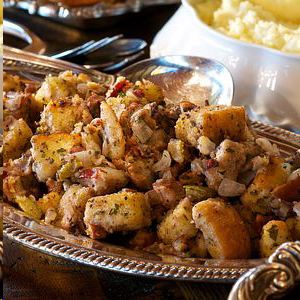
This is our family twist on oyster dressing. We used ground beef in our recipe for extra flavor and body. I usually have to make more than my family can eat because our Louisiana neighbors have a standing order for some of this dressing every Thanksgiving.
- 1 teaspoon salt
- 1 teaspoon pepper
- 1 stick butter
- 1 teaspoon basil
- 1 teaspoon thyme
- 1 large onion about 2 cups finely chopped
- 4 large stalks celery finely chopped
- 1 large bell pepper about â¾ cup finely chopped
- 1 whole garlic minced
- 1/2 cup green onion top finely sliced
- 1/4 cup parsley finely chopped
- 1 stale loaf french bread (or 1 bag of seaso
- 1 quart chopped oysters plus liquid
- 2 lbs very lean ground beat
- 1/2 teaspoon cajon seasoning (if desired)
- Carbohydrate 11.4070636458333 g
- Cholesterol 86.36875 mg
- Fat 14.2101914583333 g
- Fiber 1.7211646052214 g
- Protein 11.7825578125 g
- Saturated Fat 7.87616951041667 g
- Serving Size 1 1 Serving (322g)
- Sodium 149.510895833333 mg
- Sugar 9.68589904061193 g
- Trans Fat 1.43769235416667 g
- Calories 218 calories
Step-by-step
- In a very large cast iron Dutch oven or a very heavy, large pot, sweat the onion, celery, bell pepper, and add last the garlic, parsley and green pepper until the onions until the onions are soft and transparent and the veggies are almost dry. Simultaneously, brown the ground meat in a separate frying pan, adding a little salt and pepper until browned thoroughly. Drain the and dispose of the fat.
- Drain the oysters and reserve the liquid for later. Once the veggies are ready add the ground meat, and the chopped oysters, and cook over medium stirring constantly to blend ingredients. Add seasoning.
- Break up the stale French bread and soak in the oyster liquid. Wring out each piece of bread or cubes until almost dry and slowly add the to the meat, oysters and veggies, until incorporated. I usually add a fist full at a time and stir until integrated. Continue this until all of the bread is completely integrated into the mixture and cook until the mixture is very sticky and pulls away from the sides of the pot almost like a ball of dough. This can take some time but the aroma is outstanding. Taste for seasoning. I don’t season too much, because I like the natural flavors to come through.
- Once cooked, place in a casserole dish and cook covered on Thanksgiving Day at 375 degrees for about an hour until the mix hot and bubbly. I also stuff my bird with this and cook the remaining in a casserole dish.
- I usually make this the weekend before Thanksgiving and freeze it until a couple of days before Thanksgiving and then place it in the fridge to thaw before Thanksgiving Day. Makes great next week leftover dressing sandwiches on toast with lots of mayo.
How does stale bread absorb an entire quart of oyster liquid without turning into mush? The secret lies in wringing out the soaked bread cubes until they are almost dry before integrating them into the pot. This physical de-saturation allows the crumb to act like an active sponge, pulling in the rich proteins from the oysters and the rendered fats from the meat while retaining structural integrity.
The Fat and Moisture Balance
Sweating onions, celery, bell pepper, garlic, parsley, and green onion together in a heavy cast iron Dutch oven breaks down their cellular walls completely until the pan is almost dry. This step eliminates excess water that would otherwise steam the mixture instead of allowing the ingredients to fry and concentrate. Browning the lean ground beef in a separate pan and draining the fat prevents the dish from becoming greasy, leaving just enough lipid coating to carry the fat-soluble herbal compounds of basil and thyme through the starch.
Texture and Thermal Control
Cooking the combined mixture over medium heat requires continuous stirring until it pulls away from the sides like a ball of dough, signaling that the starches have gelatinized properly. When baking the casserole at 375 degrees Fahrenheit for one hour, cover the dish initially to trap internal steam so the interior reaches a hot, bubbling state without scorching the top layer.


