Pasta: Pregnant Jools' Pasta
This one is slightly adapted from Jamie Oliver's 30 minute meals. It is very forgiving; use your favorite sausage—we like slightly spiced ones but have used many different ones through the years. Pasta is again your choice; I think penne is perfect.
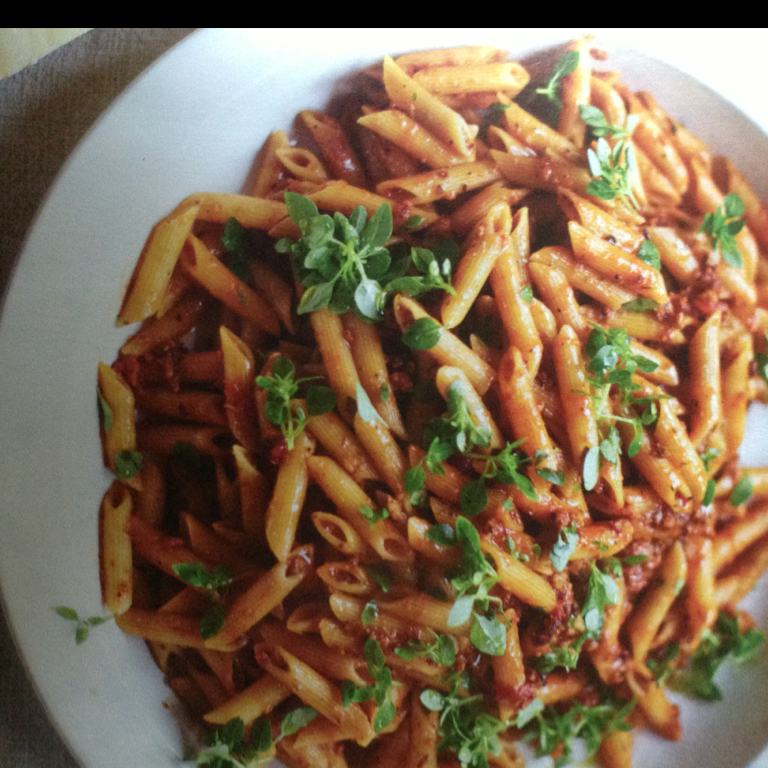
This one is slightly adapted from Jamie Oliver's 30 minute meals. It is very forgiving; use your favorite sausage—we like slightly spiced ones but have used many different ones through the years. Pasta is again your choice; I think penne is perfect.
- 1 teaspoon dried oregano
- 1 pound penne pasta
- 4 cloves garlic crushed
- 4 spring/green onions roughly chopped
- 1 carrot roughly chopped
- 1 stick celery roughly chopped
- 1 heaped teaspoon fennel seeds
- 1/2 cup fresh parmesan grated
- 1-2 red chillies stalks removed
- 1 pound pork sausage remove skins
- 4 tablespoon balsamic vinegar
- 1-2 tins chopped tomatoes
- small bunch fresh basil shredded
- Carbohydrate 51.253639020324 g
- Cholesterol 116.951489416667 mg
- Fat 24.460896711806 g
- Fiber 1.82249997495126 g
- Protein 24.7911959467427 g
- Saturated Fat 8.38080713979291 g
- Serving Size 1 1 Serving (259g)
- Sodium 727.149914904907 mg
- Sugar 49.4311390453727 g
- Trans Fat 2.5881029779455 g
- Calories 527 calories
Step-by-step
- In a food processor blitz the carrot, onions and celery with the chilli
- Add skinned sausage and pulse until thoroughly mixed
- Add fennel and oregano and pulse again
- Put the mixture into a hot frying pan with some olive oil and fry breaking the mixture up as you go
- Meanwhile boil some salted water for your pasta
- When the mixture is gently browned add the balsamic vinegar and garlic. Cook until the vinegar is absorbed then add the tomatoes and let the mixture simmer down.
- This is where I leave things a bit longer if I have added two tins of toms
- When your sauce is ten minutes from perfection cook your pasta
- Stir basil through when ready to serve, stir drained pasta through the sauce and serve with lots of fresh Parmesan
Deep crimson sauce coats rigid tubes of penne, glossy with rendered pork fat and aromatic herbs, while sharp parmesan flakes melt across the steaming surface. This style of rustic ragu finds its roots in the cucina povera traditions of central Italy, where resourceful home cooks stretched small amounts of meat by pulsing them with an aromatic soffritto of carrots, celery, and onions to build maximum depth from humble pantry staples. Processing the vegetables and skinned sausage together in a machine creates a fine texture that renders evenly in a hot skillet without forming the large, dense lumps typical of unground meat.
Building Flavor Economically
Crushing garlic cloves and blooming dried fennel seeds directly in the pan releases fat-soluble aromatic compounds that elevate inexpensive cuts of pork into a complex sauce base. Pouring balsamic vinegar over the browned meat and vegetables requires simmering until the sharp acetic acid completely cooks off, leaving behind a concentrated sweetness that balances the acidity of canned tomatoes. When opting for two cans of tomatoes rather than one, allow the simmering time to extend by an extra twenty minutes so excess moisture evaporates before the pasta hits the boiling water.
Make-Ahead and Storage
Leftover ragu stores effectively in an airtight container in the refrigerator for up to four days, or freezes for three months without losing structural integrity. Reheat the sauce gently on the stove with a splash of water to loosen the starches before tossing with freshly boiled pasta.



