Lemon Tea Cookies
Super indulgent, super lemony cookies, inspired by a crunchy lemon cookie I used to eat when I was a kid.
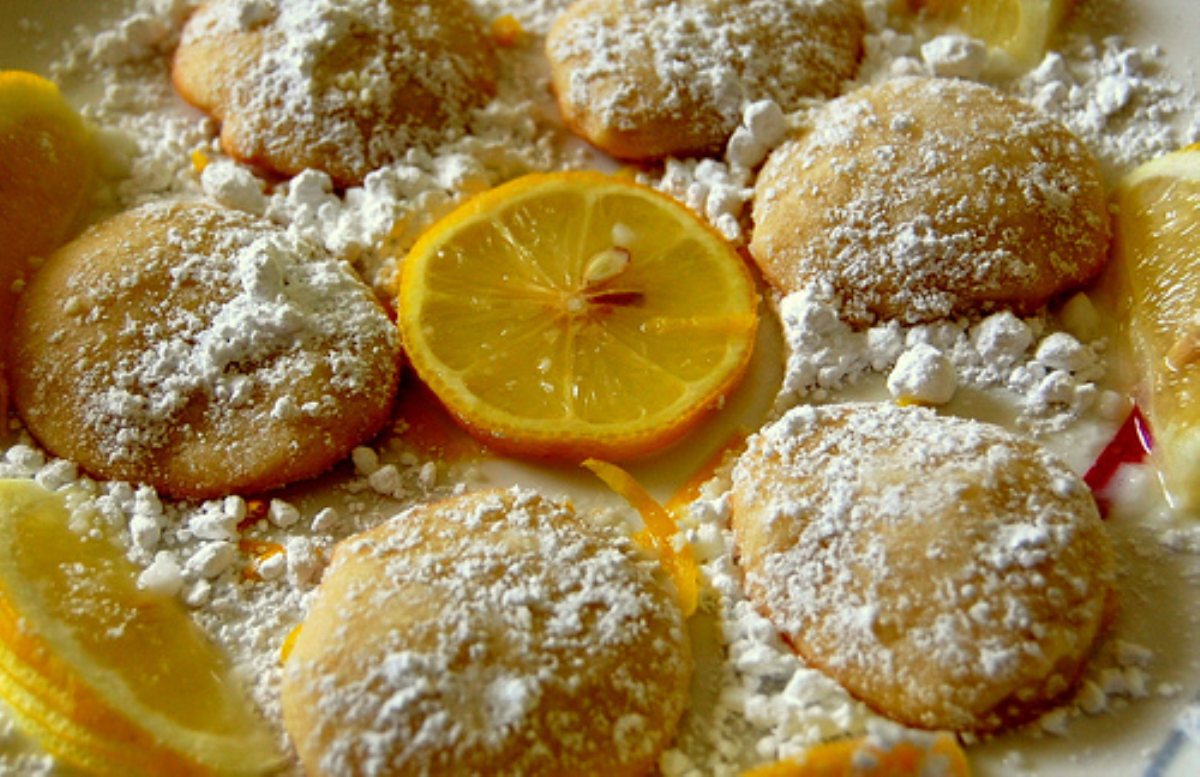
Super indulgent, super lemony cookies, inspired by a crunchy lemon cookie I used to eat when I was a kid.
- Carbohydrate 30.9293237222222 g
- Cholesterol 60.751 mg
- Fat 13.270427 g
- Fiber 1.34045277151797 g
- Protein 4.19667272222222 g
- Saturated Fat 8.03498353333333 g
- Serving Size 1 1 Serving (71g)
- Sodium 67.0612666666667 mg
- Sugar 29.5888709507043 g
- Trans Fat 1.085443 g
- Calories 256 calories
Step-by-step
- Preheat oven to 325*
- Start by beating the softened butter in a mixer until super creamy (no lumps). Slowly add in the sugar, and let beat for at least 30 seconds. Add one egg at a time, and wait until the first egg is incorporated into the mix before adding the second. Let beat for one minute, until very airy. Add in the vanilla while beating. Zest the lemons and add to mixture.
- In a separate bowl, combine flour, baking powder, and salt. Once well mixed, slowly add flour mixture to the egg and butter mixture. Mix well.
- Take a teaspoon, and scoop little mounds onto a greased cookie sheet. Sprinkle sugar over the tops of all and let bake for 7 to 10 minutes.
- Let cookies cool down.
- In a medium to small bowl, melt the butter completely and mix with lemon juice (you can add more lemon, if you really like that lemony flavor).
- In another bowl, add powdered sugar for dipping.
- Take each cookie and dip it into the hot butter/ lemon mixture.
- (Don't let it sit too long or it will fall apart, but don't be modest either.)
- Immediately after taking the cookie out of the butter mixture, roll in powdered sugar and let cool. Repeat for all cookies.
Bright citrus oil and a double coating of powdered sugar define these crumbly rounds. Historical tea cakes relied heavily on high fat-to-flour ratios to maintain structural integrity during long storage periods aboard merchant vessels and inside domestic larders.
The Science of Staling
Day-old citrus pastries undergo starch retrogradation, a process where amylose molecules recrystallize and firm the crumb structure. Storing baked goods in an airtight container with a slice of plain white bread transfers moisture directly to the cookies, preventing excessive hardening over a 48-hour window.
Freezing and Reheating Mechanics
Raw dough portions freeze effectively for up to three months when wrapped tightly in polyethylene film. Bake frozen mounds directly at 325 degrees Fahrenheit, adding two minutes to the standard thermal duration to account for thermal mass.
Fat Distribution Dynamics
Creaming butter for a full sixty seconds incorporates microscopic air cells that expand when exposed to heat. Underventilating this initial mechanical mixing stage produces dense, heavy discs instead of tender, delicate morsels.



