Snappy Barbecue Beef Sandwiches
My husband and I do a lot of one-pot cooking (he taught me to cook after we were married). The beef in these sandwiches is like an oven stew, but we will often prepare it in a slow cooker - putting it on in the morning so we can just dish it up when we get home from work.
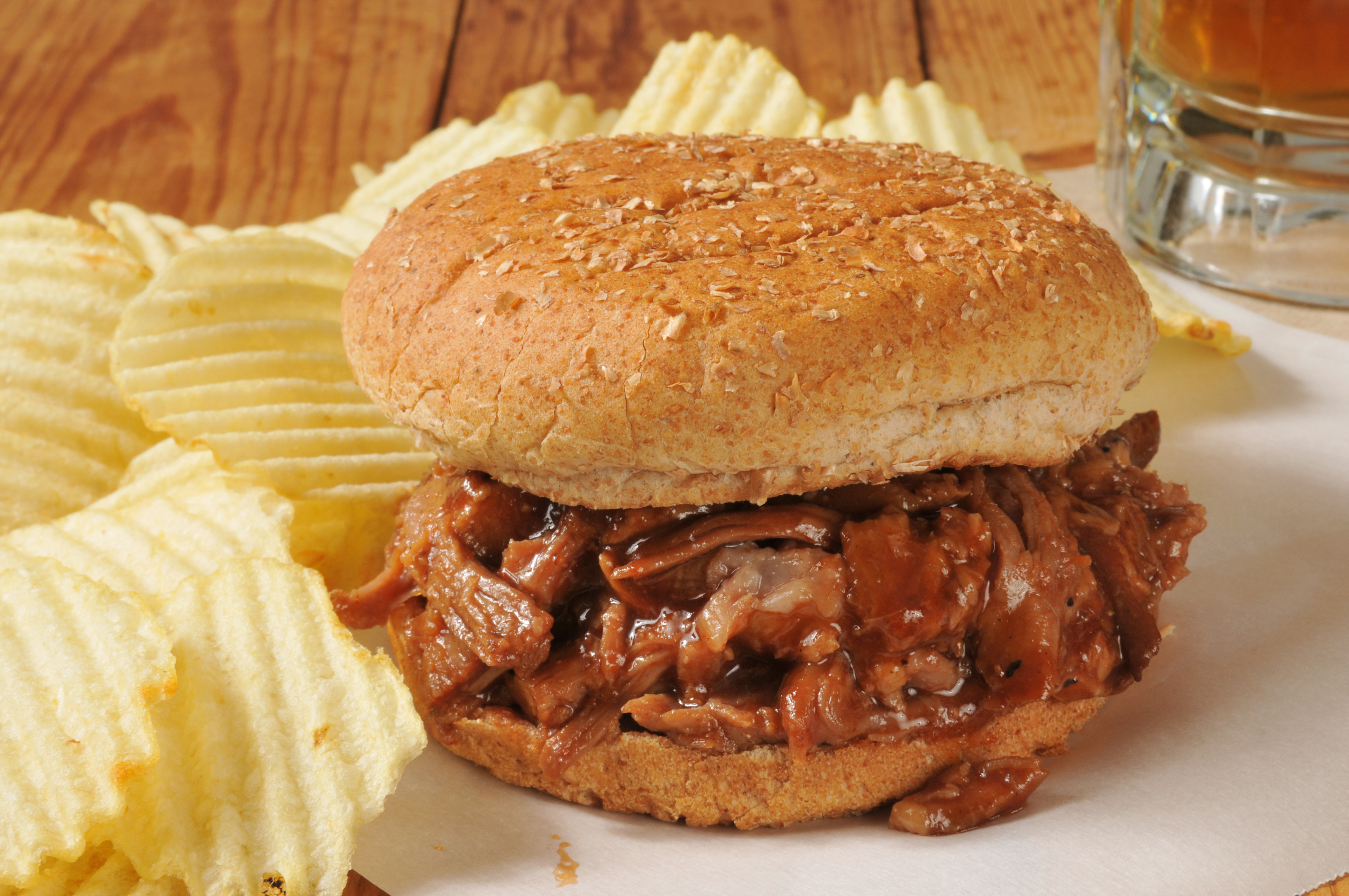
My husband and I do a lot of one-pot cooking (he taught me to cook after we were married). The beef in these sandwiches is like an oven stew, but we will often prepare it in a slow cooker - putting it on in the morning so we can just dish it up when we get home from work.
- 1 teaspoon salt
- 1 teaspoon garlic powder
- 2 cups water
- 2 tablespoons brown sugar
- 1 teaspoon chili powder
- 2 tablespoons worcestershire sauce
- 1 cup onions chopped
- 1 cup ketchup
- 1 4-pound beef chuck roast boneless
- 1 cup barbecue sauce
- 4 cups celery chopped
- 2 tablespoons white vinegar
- italian rolls or sandwich buns, split
- Carbohydrate 10.1321076408983 g
- Cholesterol 49.896 mg
- Fat 13.6815894123484 g
- Fiber 0.311477486191687 g
- Protein 14.8435440939281 g
- Saturated Fat 5.49467572090482 g
- Serving Size 1 1 Serving (133g)
- Sodium 193.141858584815 mg
- Sugar 9.82063015470666 g
- Trans Fat 1.79194400325615 g
- Calories 226 calories
Step-by-step
- Place beef in a Dutch oven.
- Combine all remaining ingredients except the rolls; pour over beef.
- Cover and bake at 350 degrees F for 5 hours, turning beef occasionally.
- Shred beef with a fork.
- Serve on rolls or buns.
The ingredient list omits how heavily the aromatics dictate the final sauce consistency as the meat breaks down over hours of heat. Two cups of water combined with four cups of chopped celery and onions release significant moisture during cooking. Managing that liquid prevents a watery braise from diluting the barbecue sauce and ketchup base.
Equipment Conversions
Adapting this recipe between a traditional Dutch oven and a slow cooker requires understanding heat distribution. Baking in a covered Dutch oven at 350 degrees F creates all-around radiant heat that slowly evaporates excess liquid while rendering the intramuscular fat of a four-pound chuck roast. Shifting to a slow cooker retains far more moisture because steam condenses on the lid and drips back into the pot. Reduce the initial two cups of water by half if using a slow cooker to avoid a thin, soupy sauce.Shredding Technique
Achieving the correct texture depends entirely on letting the cooked beef rest before pulling the fibers apart. Transfer the tender roast to a cutting board and let it sit for 15 minutes before inserting two forks to shred the meat. Pulling hot beef immediately causes the muscle fibers to release their remaining internal moisture instantly, resulting in dry strands that fail to absorb the surrounding braising liquid.Common Pitfalls
Overcooking the vegetables until they completely dissolve or failing to turn the heavy roast during the five-hour baking time leads to uneven flavor distribution. Turning the meat every hour ensures the top surface remains exposed to the circulating heat while the bottom absorbs the savory liquid pooling at the base of the vessel.


