Vegetable Gratin
Vegetable Gratin is a flavorful and satisfying dish that combines the flavors of potato, squash, tomato, and cheese. It's perfect for a comforting meal or a special occasion.
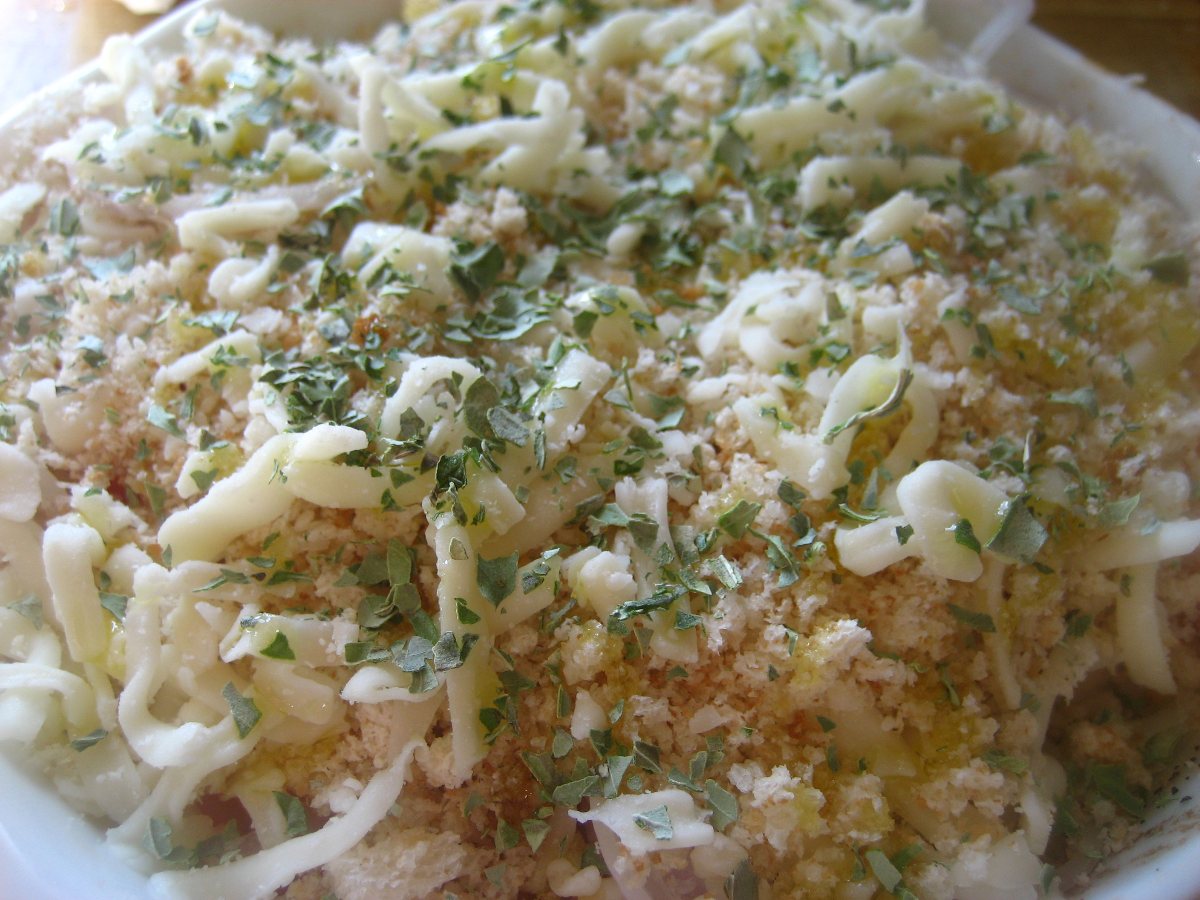
Vegetable Gratin is a flavorful and satisfying dish that combines the flavors of potato, squash, tomato, and cheese. It's perfect for a comforting meal or a special occasion.
- 2 tsp onion powder
- olive oil for drizzling
- 1 big russet potato ( or 2 small)
- 1/2 can cheese your preference
- 1 large tomato (or 2 small)
- 1 medium yellow squash sliced thinly
- 1 large shallot thinly sliced
- salt pepper
- 1 tbsp butter softened, (up to 2)
- 1/2 cup fresh bread crumbs or panko
- 2 tsp dried basil or fresh
- Carbohydrate 72.8377687832825 g
- Cholesterol 15.265 mg
- Fat 9.24767927847192 g
- Fiber 6.49480001139641 g
- Protein 12.750751961798 g
- Saturated Fat 4.42089557734023 g
- Serving Size 1 1 Serving (386g)
- Sodium 544.60611341663 mg
- Sugar 66.3429687718861 g
- Trans Fat 1.10020878354158 g
- Calories 416 calories
Step-by-step
- Makes 2 dishes ...so divide the ingredients in 2.
- Wash the potato well. Slice potato thinly. I left the skin on for a more rustic feel. You can peel if you like.
- Sprinkle some olive oil over the slices. Season with onion powder, salt and pepper. Butter gratin dish well and layer potato slices slightly overlapping the slices. You may do 3-4 layers. Dot with small pieces of butter and drizzle some olive oil.
- Bake in a preheated oven at 425-450 (I used my toaster oven at 450) till potatoes are cooked through about 20 minutes. They should be a bit crispy...so adjust the time. Watch so that they don't burn.
- Take out of oven and sprinkle some cheese. Add sliced yellow squash and sprinkle a bit of cheese.
- Add tomato slices, onion and a bit more of the cheese.
- Sprinkle with some breadcrumbs. Drizzle with some olive oil and sprinkle with basil.
- Return to the oven and bake till golden brown 15-20 minutes.
Golden breadcrumbs crown tender layers of sliced potato, squash, and tomato, yielding a dish with contrasting crisp edges and soft interiors. Historically, gratins evolved from rustic French oven dishes designed to use whatever starches and seasonal produce were at hand. Applying this adaptability to modern kitchens requires understanding how swaps alter moisture content and heat transfer.
Managing Moisture Through Substitutions
Russet potatoes provide high starch content that absorbs released vegetable liquids during baking. Substituting waxy red or Yukon Gold potatoes changes this dynamic because lower starch levels hold shape better without breaking down. Yellow squash and fresh tomatoes release substantial water when heated. Salting sliced squash thirty minutes beforehand and blotting the excess liquid prevents the gratin from becoming watery. Shallots supply a mild allium pungency that softens significantly under high heat. Sweet onions or standard yellow onions work well as substitutes, provided they are sliced to a comparable thickness to ensure even cooking. Panko breadcrumbs create a shatteringly crisp topping compared to soft fresh breadcrumbs, which absorb grease and yield a denser crust.Equipment and Thermal Management
Baking this dish at 425 to 450 degrees Fahrenheit generates the necessary convection current to brown the cheese while cooking dense root vegetables through. Countertop toaster ovens function admirably for smaller portions due to heating elements positioned close to the pan. Buttering the baking dish heavily prevents starches from sticking during the initial twenty-minute potato roast. Dotting cold butter over the potato layers introduces pockets of fat that melt into the starch, encouraging browning. Monitoring the browning process during the final fifteen to twenty minutes prevents the delicate basil and breadcrumb topping from burning before the squash softens completely.


