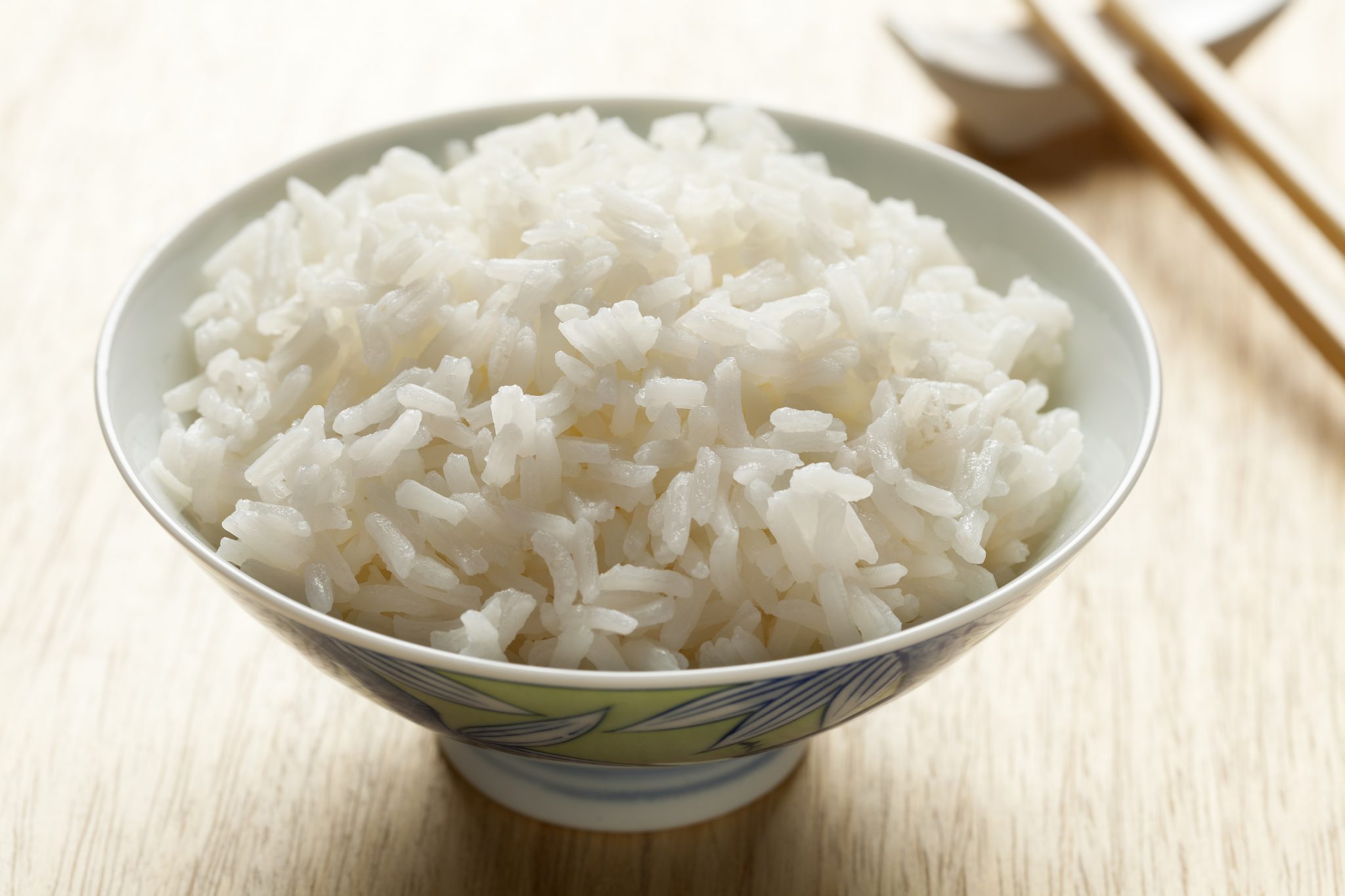
Try this Perfect Jasmine Rice recipe, or contribute your own.
- Carbohydrate 134.316 g
- Cholesterol 0 mg
- Fat 1.1088 g
- Fiber 2.18399991989136 g
- Protein 11.9784 g
- Saturated Fat 0.3024 g
- Serving Size 1 1 -6 serving (346g)
- Sodium 15.5100000060104 mg
- Sugar 132.132000080109 g
- Trans Fat 0.16296 g
- Calories 613 calories
Step-by-step
- Rinse the rice in a fine-mesh strainer.
- Strain the rice and add to the Instant Pot - being careful to remove any stray grains from the top edge of the inner pot.
- Add water. Close and lock the lid of the Instant Pot. Press [Pressure Cook] and then use the [ - ] button to set 4 minutes of pressure cooking time.
- When time is up, open the Instant Pot using the 10 minute Natural Pressure Release.
The ingredient list alone provides no indication that the age of the grain directly dictates how much liquid it requires. Newly harvested jasmine rice contains more natural moisture than older batches sitting on pantry shelves for months, meaning aged grains often absorb slightly more water during the cooking cycle. Rinsing the raw grains thoroughly in a fine-mesh strainer removes excess surface starches that otherwise cause individual pieces to stick together into a gummy mass. When transferring the rinsed grains into the inner pot, wipe away any stray pieces clinging to the upper rim to ensure a proper seal when locking the lid. Setting the electric pressure cooker for exactly four minutes at high pressure initiates rapid starch gelatinization without oversoftening the interior structure of the grain. Allowing a mandatory ten-minute natural pressure release gives the starches time to set and redistribute moisture evenly throughout the batch. Removing the lid too quickly forces trapped steam to escape violently, resulting in unevenly cooked pockets and wet surfaces. Fluffing the finished grains with a fork rather than a spoon prevents crushing the delicate elongated shape.


