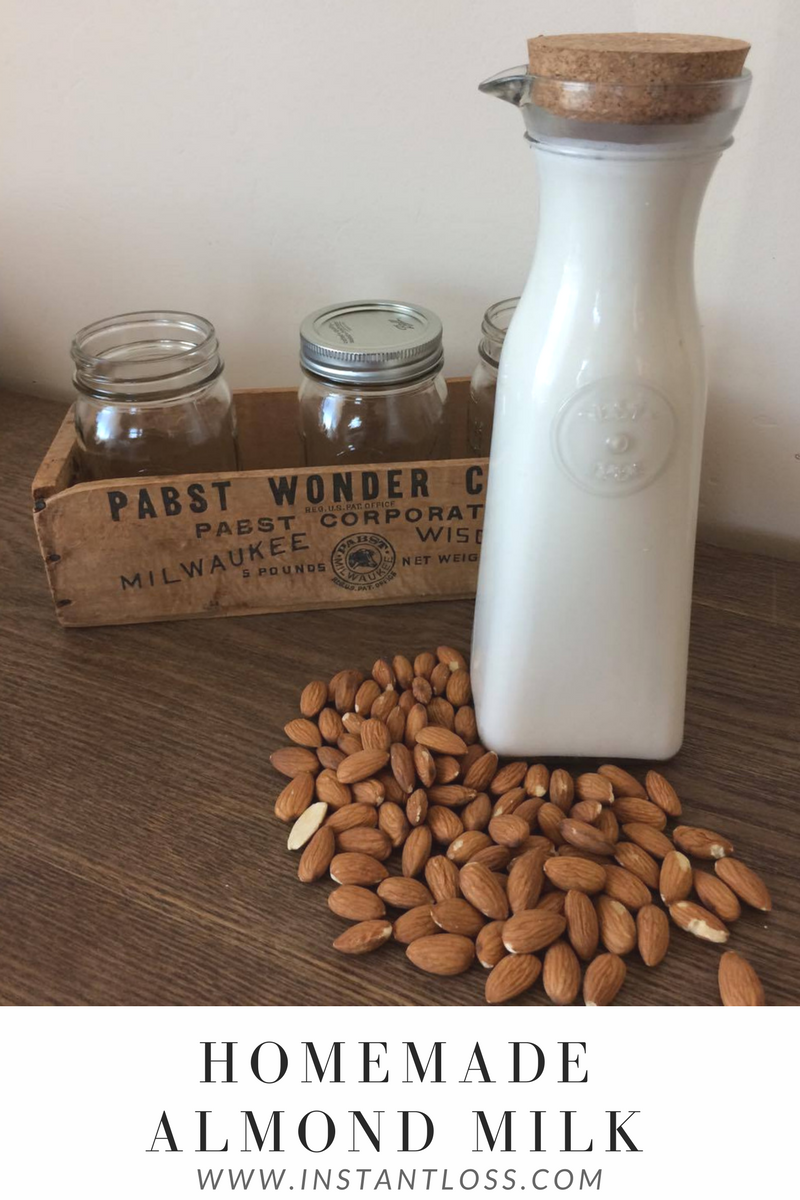
Try this Almond Milk recipe
- Carbohydrate 0 g
- Cholesterol 0 mg
- Fat 0 g
- Fiber 0 g
- Protein 0 g
- Saturated Fat 0 g
- Serving Size 1 1 recipe (948g)
- Sodium 37.92 mg
- Sugar 0 g
- Trans Fat 0 g
- Calories 0 calories
Step-by-step
- Put the almonds and the filtered water into a high powdered blender and process until there are no large chunks of almond left.
- Using a nut milk bag or a piece of cheesecloth, strain the almond milk. You'll have about a cup of almond pulp left over.
- Refrigerate the liquid. Enjoy!
Substituting hazelnuts or cashews for the almonds shifts the flavor profile toward a richer, more buttery liquid while utilizing the exact same four-to-one water ratio. Raw nuts must undergo a full eight-to-twelve-hour soak in cold water to soften the cellular walls, which allows the high-powered blender blades to shear through the material effectively rather than merely chopping it into gritty fragments. Processing the soaked nuts with four cups of filtered water requires running the motor on high for a full sixty seconds until the liquid turns completely opaque and foaming. Straining this mixture through a fine nut milk bag or multiple layers of cheesecloth demands firm, steady pressure from your hands to extract every last drop of moisture without forcing the larger solids through the mesh. The resulting dairy-free liquid keeps safely in a sealed glass container in the refrigerator for up to four days, though natural separation will occur naturally and requires a vigorous shake before pouring. Retaining the leftover almond pulp provides an opportunity to spread it thinly on a baking sheet and dry it in a low oven at two hundred degrees Fahrenheit to create a coarse, gluten-free meal.


