My Mom's Thanksgiving Stuffing
My mom's the best cook. She's been making this stuffing for ages, and it's always a hit. It's got the perfect flavors and textures, and it makes the turkey taste even better.
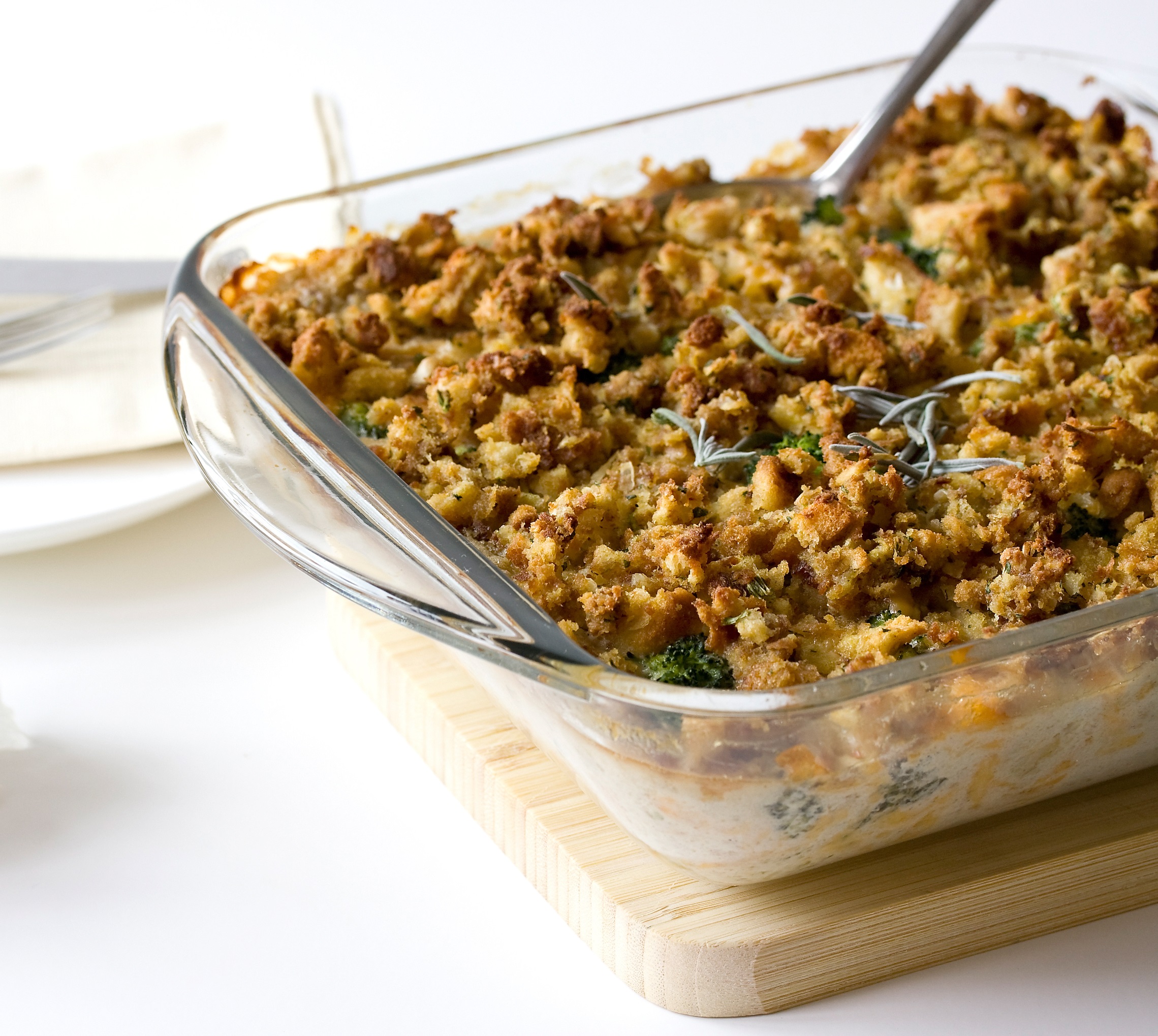
My mom's the best cook. She's been making this stuffing for ages, and it's always a hit. It's got the perfect flavors and textures, and it makes the turkey taste even better.
- 1 cup butter
- 2 eggs beaten
- 1 onion diced
- 1 green pepper diced
- 3/4 cup celery diced
- 1 teaspoon celery seed (optional)
- 2 cups canned chicken broth
- 16 ounces pepperidge farm's herb seasoned stuffing
- 16-20 ounces bread cubed
- garlic
- poultry seasoning
- parsley flakes
- 1/2 tablespoon oregano
- 1 reynold's turkey size baking bag
- Carbohydrate 44.7416844045535 g
- Cholesterol 1615.77490461858 mg
- Fat 235.311043378585 g
- Fiber 8.28032102679279 g
- Protein 44.7139177999182 g
- Saturated Fat 139.699810425317 g
- Serving Size 1 1 Serving (1321g)
- Sodium 2918.81569340594 mg
- Sugar 36.4613633777607 g
- Trans Fat 19.5659530669038 g
- Calories 2427 calories
Step-by-step
- In a large bowl, combine the bag of bread cubes with Pepperidge Farm herbed seasoned stuffing.
- In frying pan: Melt butter over a medium high heat. Saute onions, green pepper and celery (or celery seed) until all is softened and translucent.
- Pour melted butter and vegetables over all bread cubes and crumbs. Mix in the two beaten eggs. Toss.
- Add: 1 teaspoon of garlic powder, 1 teaspoon of poultry seasoning, 2 tablespoons of dried parsley, 1 teaspoon of oregano, and toss again.
- Now pour chicken broth over all of mixture, making sure that stuffing is almost wet, (you want it to be more than damp, but not downright wet) so that stuffing doesn't dry out while inside turkey baking. You can judge if stuffing is becoming too wet, just reserve the rest of the broth if not needed. Many people like to use milk, but i find that it causes it to have a bland flavor. The chicken broth is the secret to excellent flavor here.
- Toss once again, making sure all bread is well coated with all ingredients. Stuff the turkey, packing tightly, but not too tightly (as in "don't really jam it in there"), at both ends. If you have any leftover, you could put it in a casserole dish, and refrigerate until 45 minutes before turkey is done. Then put in oven with turkey for extra stuffing.
- Use softened butter, and using fingers, rub butter all over turkey until coated, and then shake a little paprika over top of entire turkey. Put about 2 tablespoons of flour inside baking bag before putting turkey inside.
- Push turkey into bag, close bag tightly, make three slits across the top of the bag for ventilation, and put into roaster pan. Put lid on roaster, and then bake, following instructions for the size turkey you have. (**Note: the baking bag will probably cut baking time by at least 3/4 hr. to one hour, but really holds in the juices and turkey stays very moist and juicy.) No basting is required when you use the baking bag, but if you wish, you can baste one or two times during baking.
- **Note**: Be sure to remember to make the slits on the top of the baking bag, maybe an inch or two long, and be sure to put the little bit of flour into the bottom of the bag before you put the turkey inside. When finished, you will have an ample supply of broth inside the bag to make your gravy. Simply use a cup or ladle to scoop it all out. (what broth I don't need, I always put into a plastic container and freeze to use when I make my chicken soups. I add it into the pot of soup and it gives my soups added extra special flavor!)
When relying on a sealed turkey-size roasting bag to trap natural juices, internal moisture management becomes the central culinary challenge. Standard baking bags eliminate the need for frequent basting by circulating steam, but that trapped humidity can easily turn cavity stuffing into a dense paste if the initial liquid ratio is miscalculated. Achieving the correct balance requires treating the bread cubes with enough chicken broth to make the mixture thoroughly damp without compressing the individual pieces into a solid mass. Sautéing the aromatics—onions, green pepper, and celery—in a full cup of melted butter first coats the starches and prevents the dry cubes from absorbing moisture too aggressively during the initial stages of oven heat. Whisking two beaten eggs directly into the butter-soaked bread creates a necessary structural binder that coagulates around 160 degrees Fahrenheit, holding the crumb together when carved. Because commercially seasoned herb stuffing mixes already carry a heavy load of sodium and dried herbs, measuring the supplementary poultry seasoning and garlic powder carefully keeps the flavor profile balanced rather than overwhelmingly salty. Packing the mixture loosely inside the cavity allows heat to penetrate the center safely, ensuring the poultry reaches a safe internal temperature of 165 degrees Fahrenheit without overcooking the surrounding meat. Excess stuffing that exceeds cavity capacity should be baked separately in a covered casserole dish for the final 45 minutes of roasting time to develop a crisp top crust while maintaining internal tenderness.



