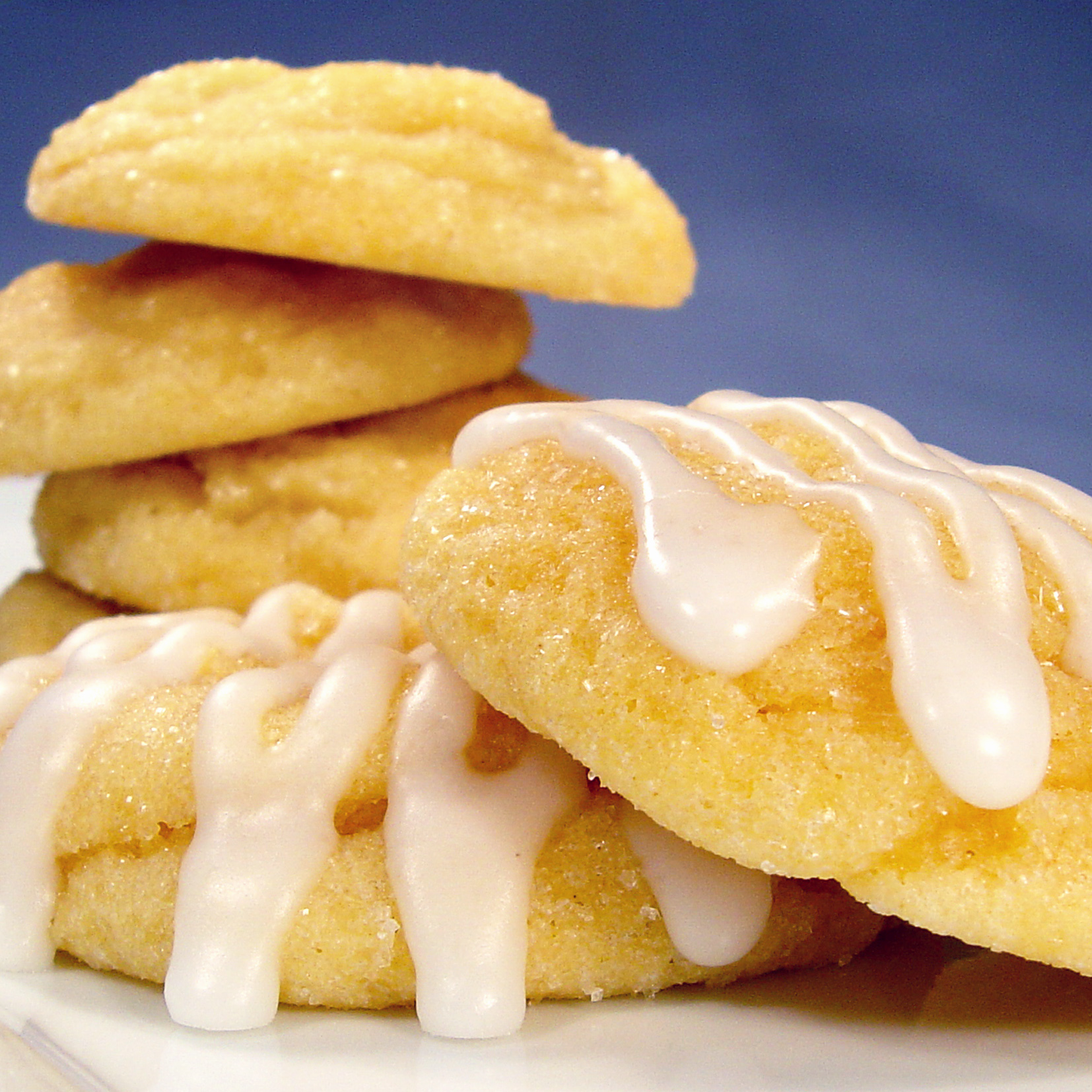
Seriously tangy, sweet, and wonderfully soft lemon cookie!
- 1 1/2 cup butter (softened)
- 1 1/4 cup sugar
- 1 1/2 cup splenda (or sugar)
- - - - - - - - - - - - - - - - - - - - - - - - - -
- 3/4 teaspoon baking powder
- 1/4 teaspoon baking soda
- 18 packets crystallized lemon (true lemon)
- - - - - - - - - - - - - - - - - - - - - - - - - -
- 2 teaspoon lemon bakery emulsion (or lemon extract)
- 4 egg
- 3 tablespoon frozen lemon juice (thawed)
- 7 ounce lemon pudding instant pudding (2 packages) optional
- - - - - - - - - - - - - - - - - - - - - - - - - -
- 4 1/2 cup flour
- - - - - glaze - - - - - - - - - - - - - - - - -
- 2 cup powdered sugar
- 2 tablespoon frozen lemon juice
- Carbohydrate 232.331125276085 g
- Cholesterol 320.203500185567 mg
- Fat 68.0485750701624 g
- Fiber 0 g
- Protein 5.50895999991492 g
- Saturated Fat 41.9698540444371 g
- Serving Size 1 1 Dozen (417g)
- Sodium 5170.73450639993 mg
- Sugar 232.331125276085 g
- Trans Fat 5.10346750491574 g
- Calories 1509 calories
Step-by-step
- Preheat oven to 350F
- In a large bowl, cream butter, Splenda and sugar together until light and fluffy.
- Add salt, baking powder, baking soda and crystallized lemon. Mix until well combined.
- Beat in lemon flavoring, egg, lemon juice, mixing well.
- Mix in Lemon pudding mix (dry, unmade).
- Slowly beat in flour mixuture until just combined.
- Chill for 2 - 3 hours to firm up dough.
- Use medium-small (approx 1.5") scoop. Scoop dough and place onto parchment paper to hold all dough balls until going to next step.
- Place on a parchment lined baking sheet, each cookie about 2 inches apart.
- Bake at 350 F for 8 minutes or until cookies look matte (not melty or shiny).
- Remove from oven and cool cookies on baking sheet.
- To make glaze, mix enough lemon juice into the powdered sugar for the glaze to be the desired consistency.
- Dribble glaze over cookies. Wait until glaze is set before storing cookies in air tight container.
Instant pudding mix does not belong in traditional baking until one examines its starch profile, which introduces modified food starches that absorb free water and prevent gluten networks from tightening into bread-like toughness. Achieving genuine tenderness in a citrus cookie requires confronting a fundamental chemical contradiction because high levels of acid from frozen lemon juice and crystallized lemon will typically break down fats and tighten proteins prematurely, resulting in dry or flat results. Emulsions solve this volatility better than standard alcohol-based extracts by suspending flavor compounds in fat and gum carriers that withstand the 350-degree Fahrenheit oven environment without flashing off entirely into the air. Creaming softened butter with both granulated sugar and a sugar substitute creates microscopic air pockets that chemical leaveners like baking soda and baking powder can expand during the initial eight-minute bake time. While a standing mixer equipped with a paddle attachment makes incorporating four cups of flour manageable, chilling the resulting dense dough for two to three hours is non-negotiable if uniform spherical portions are desired prior to baking. Monitoring the oven closely is critical because these cookies signal doneness not through golden browning, but when the glossy surfaces transition entirely to a matte finish while still soft to the touch on the baking sheet. Leaving the treats undisturbed on the hot pan allows residual thermal energy to complete the internal set before a simple powdered sugar and citrus glaze is drizzled across the tops. Storing the finished batch in an airtight container only after the glaze has completely set preserves the moisture locked inside by the pudding starches for days.


