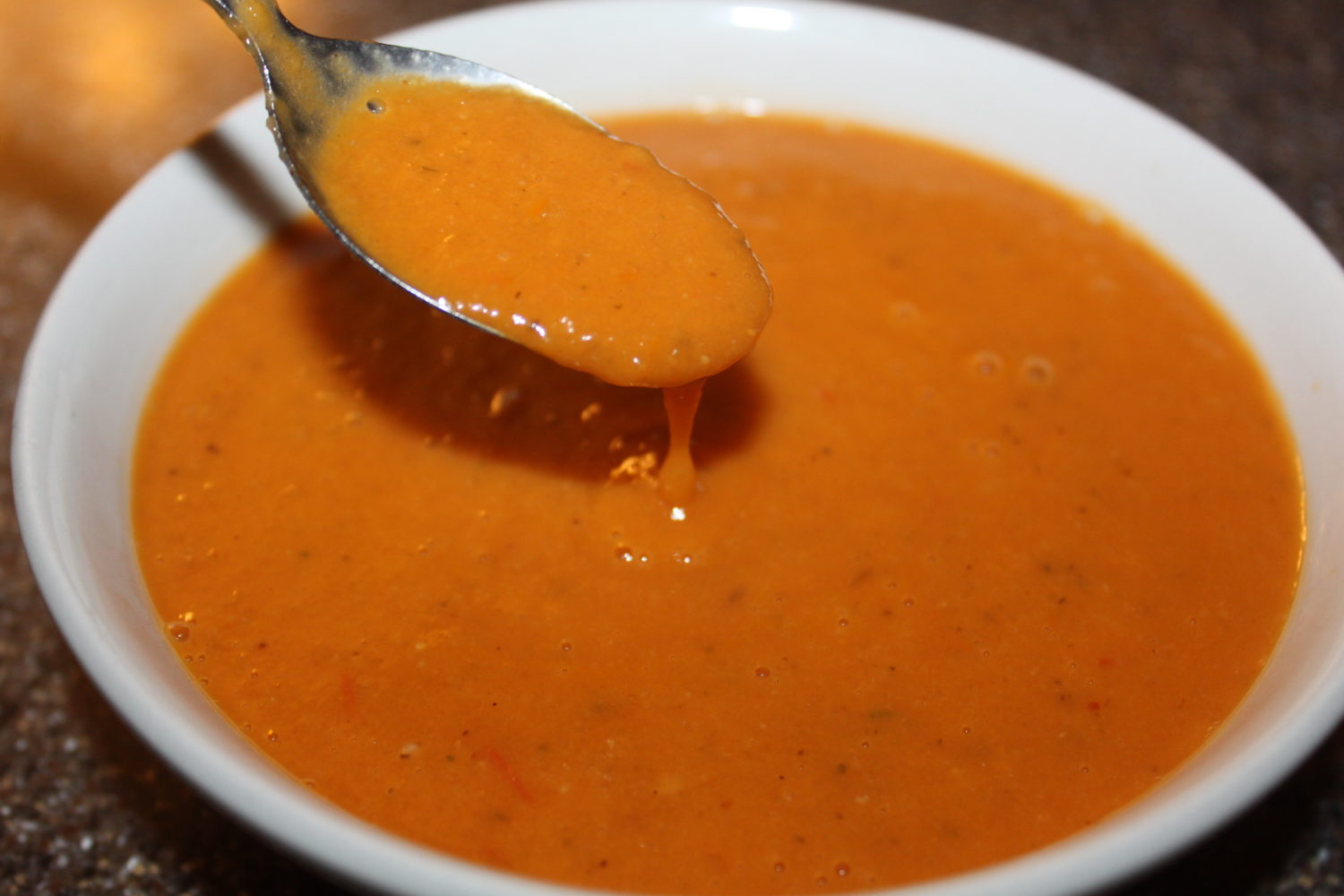
Quick one-pot meal, just what I need after a long day at work
- Carbohydrate 8.77225 g
- Cholesterol 0 mg
- Fat 0.179 g
- Fiber 1.37750002145767 g
- Protein 1.34375 g
- Saturated Fat 0.037 g
- Serving Size 1 1 Serving (82g)
- Sodium 5.075 mg
- Sugar 7.39474997854233 g
- Trans Fat 0.053325 g
- Calories 38 calories
Step-by-step
- Place onion garlic and parsley into TM bowl and chop for 5 seconds on speed 7
- Add capsicum and chop for 3 seconds on speed 5
- Add the oil and sauté for 1-2 minutes at 100oC on speed 1
- Add the tomatoes, water, cream and stock and cook for 10 minutes at 100oC on speed 1
- Add the fettuccine using the spatula to assist in the incorporation into the liquid
- Add the salami and cook for 7-10 minutes at 100oC on reverse + speed soft
- Pour the fettuccine into a serving bowl and sprinkle with extra parsley and parmesan
Boiling pasta directly in the sauce requires watching starch absorption rather than relying on a kitchen timer. Pasta continues to absorb liquids as the starch swells, shifting the threshold between al dente and mush in less than sixty seconds. Watch the surface bubbles in the vessel; large, sluggish bursts indicate the liquid has thickened enough to coat the strands properly.
Overcrowding the vessel or adding the pasta before the liquid reaches a rolling simmer results in unevenly hydrated noodles and a broken sauce emulsion. Maintain a steady 100 degrees Celsius thermal output to ensure the fettuccine hydrates evenly without scorching the dairy solids at the base of the container. Stir the pasta halfway through the simmering window to prevent strands from matting together.
Salami introduces a high fat content that renders quickly under sustained heat. Thinly slicing the cured meat ensures the fat renders fully into the tomato base, while thicker cuts remain chewy and dominate the mouthfeel. Swap the salami for smoked trout if substituting cured pork with a seafood alternative.


