Buffalo Chicken Lettuce Wraps
I do not own the rights to the recipe. Cookbook Credit: Practical Paleo -a customized approach to health and whole-foods lifestyle by: Diane Sanfilippo, BS, NC Pg. 270
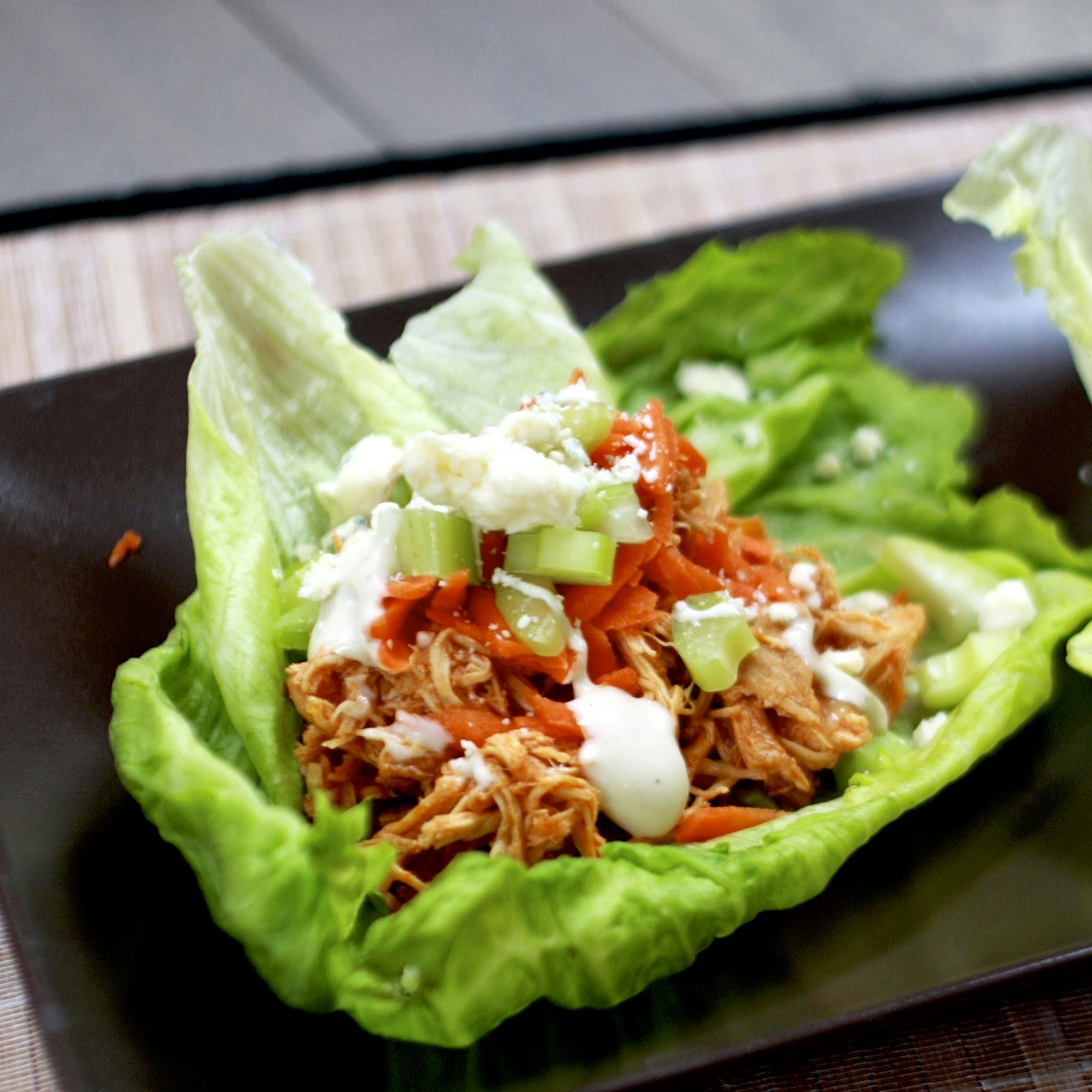
I do not own the rights to the recipe. Cookbook Credit: Practical Paleo -a customized approach to health and whole-foods lifestyle by: Diane Sanfilippo, BS, NC Pg. 270
- Carbohydrate 14.7459336958661 g
- Cholesterol 172.3642 mg
- Fat 45.2437703276153 g
- Fiber 9.66349584184247 g
- Protein 44.3644641950225 g
- Saturated Fat 18.0558706163526 g
- Serving Size 1 1 Serving (453g)
- Sodium 523.38168484252 mg
- Sugar 5.08243785402367 g
- Trans Fat 14.0850146522075 g
- Calories 613 calories
Step-by-step
- Slice the chicken thighs into 1/4-inch strips.
- Toss the chicken in a mixing bowl with the chipotle powder, garlic powder, onion powder, sea salt, and black pepper.
- In a skillet, over medium heat, melt the coconut oil.
- Place the chicken thighs in the skillet.
- Cook for approximately 5-10 minutes, turning occasionally until chicken is white all the way through.
- Serve in lettuce cups, and top with sliced avocado, halved cherry or grape tomatoes, & chopped green onions.
Limited equipment defines this preparation, relying on a single skillet to transform raw protein and spices into a deeply savory filling without complex roasting apparatuses. Slicing boneless, skinless chicken thighs uniformly into quarter-inch strips ensures even heat penetration across every piece during the five to ten minute sauté. Thin cuts maximize surface area contact with the hot coconut oil, promoting rapid protein denaturation while preventing the inner meat from drying out. Adequate spacing in the pan prevents steaming, allowing the chipotle, garlic, and onion powders to adhere directly to the meat rather than dissolving into accumulated moisture.
Textural contrast dictates the success of any hand-held wrap, swinging precariously between structural integrity and soggy failure. Crisp butter lettuce leaves act as moisture barriers, but their delicate cellular structure requires careful handling so the ribs do not crack under the weight of the hot meat. Creamy avocado slices introduce a dense, lipid-rich counterweight that coats the tongue, muting the fiery heat of the chipotle powder while cushioning the tooth against the firm, bouncy chew of the pan-seared chicken thighs. Halved cherry tomatoes contribute sudden bursts of acidic liquid that cut through the heavier fats without saturating the surrounding greens.
Historical precedents for modern lettuce wraps trace back to various East Asian culinary traditions where fresh leaves substituted for grain-based flatbreads to manage heavy, spiced fillings. Adaptation to a buffalo-style flavor profile swaps traditional fermented red pepper pastes for smoked jalapeño powders and aromatic alliums, bridging regional techniques with contemporary palate preferences. Maintaining structural crunch relies entirely on temperature separation; hot cooked proteins must be tempered slightly before contacting raw vegetables to preserve the crisp turgor pressure of both the lettuce and the fresh tomatoes.
Dietary adjustments require minimal restructuring when working with naturally adaptable whole food components like poultry, fats, and produce. Replacing coconut oil with rendered duck fat or ghee alters the smoke point and flavor profile while keeping the dish entirely free of gluten and refined sugars. Dairy-free mandates are met intrinsically by omitting any finishing cheeses, letting the natural emulsion of mashed avocado supply the creamy mouthfeel typically provided by blue cheese dressings.


