Herbal Scones
Scones with herbs in them! I made this one in cooking class as well. Serve with any type of jam and a big dollop of whipped cream.
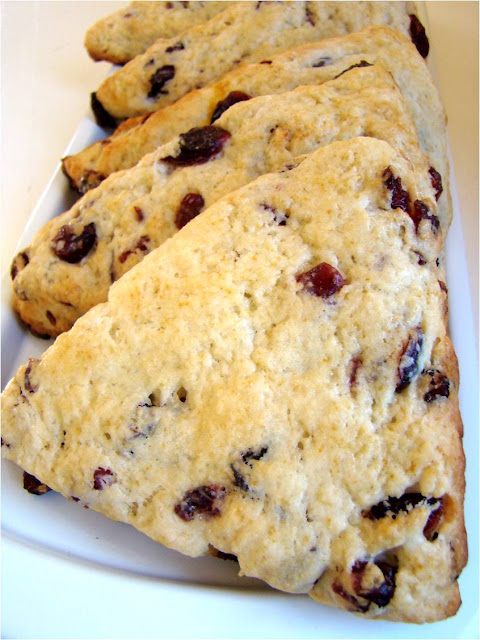
Scones with herbs in them! I made this one in cooking class as well. Serve with any type of jam and a big dollop of whipped cream.
- Carbohydrate 345.424998342813 g
- Cholesterol 94.0800000202884 mg
- Fat 36.3098883399657 g
- Fiber 13.0434502178852 g
- Protein 61.9576050066781 g
- Saturated Fat 20.4606273371236 g
- Serving Size 1 1 Serving (753g)
- Sodium 6221.54600008389 mg
- Sugar 332.381548124928 g
- Trans Fat 3.85343033411192 g
- Calories 1991 calories
Step-by-step
- Preheat oven to 225 degrees Celsius. Line 2 large trays with baking paper and lightly flour
- Sift flour and salt into large bowl. Cut butter into small pieces and run into the flour using the tips of fingers
- Add parsley, mixed herbs and grated cheese. Make a well in the centre of the mixture. Pour in the milk and stir with the blade of a kitchen knife to form a soft dough
- Knead the dough lightly on a lightly floured surface. Press dough out lightly with floured fingertips until dough is approx 3cm thick and a rectangular shape
- Use a medium sized round cutter to cut and place on trays. Brush the tops with milk
- Bake for 10-12mins or until golden brown. Remove from oven, wrap in clean tea towel and allow to cool
Bake these scones at a high heat of 225 degrees Celsius for ten to twelve minutes, watching the oven closely during the final two minutes. High temperature is essential for rapid leavening in self-raising flour, creating a tall rise before the structure sets. Pull the pans immediately when the exterior turns a uniform golden brown.
Rubbing chilled butter into the dry components requires fingertip friction rather than palms, which transfer too much heat and melt the fat prematurely. Distribute the pieces evenly until the mixture resembles coarse breadcrumbs. This technique traps tiny pockets of steam during baking, yielding a flaky crumb rather than a dense biscuit.
Stir the milk into the well using a knife blade instead of a spoon to minimize gluten development. Overworking the dough creates toughness, so knead the mass only until it holds together. Press the dough out to an even three-centimeter thickness by hand to ensure uniform expansion in the hot oven.
Savory baked goods historically relied on wild herbs and leftover dairy products to stretch pantry supplies in rural kitchens. Wrapping the hot baked items inside a clean tea towel traps residual moisture during cooling, softening the crust to achieve a tender texture.


