Tuna Rice Casserole
Kinda winging it, but keeping it as honest as possible to figure out nutritional information and note down what I did in case the white wine addition turns out delicious
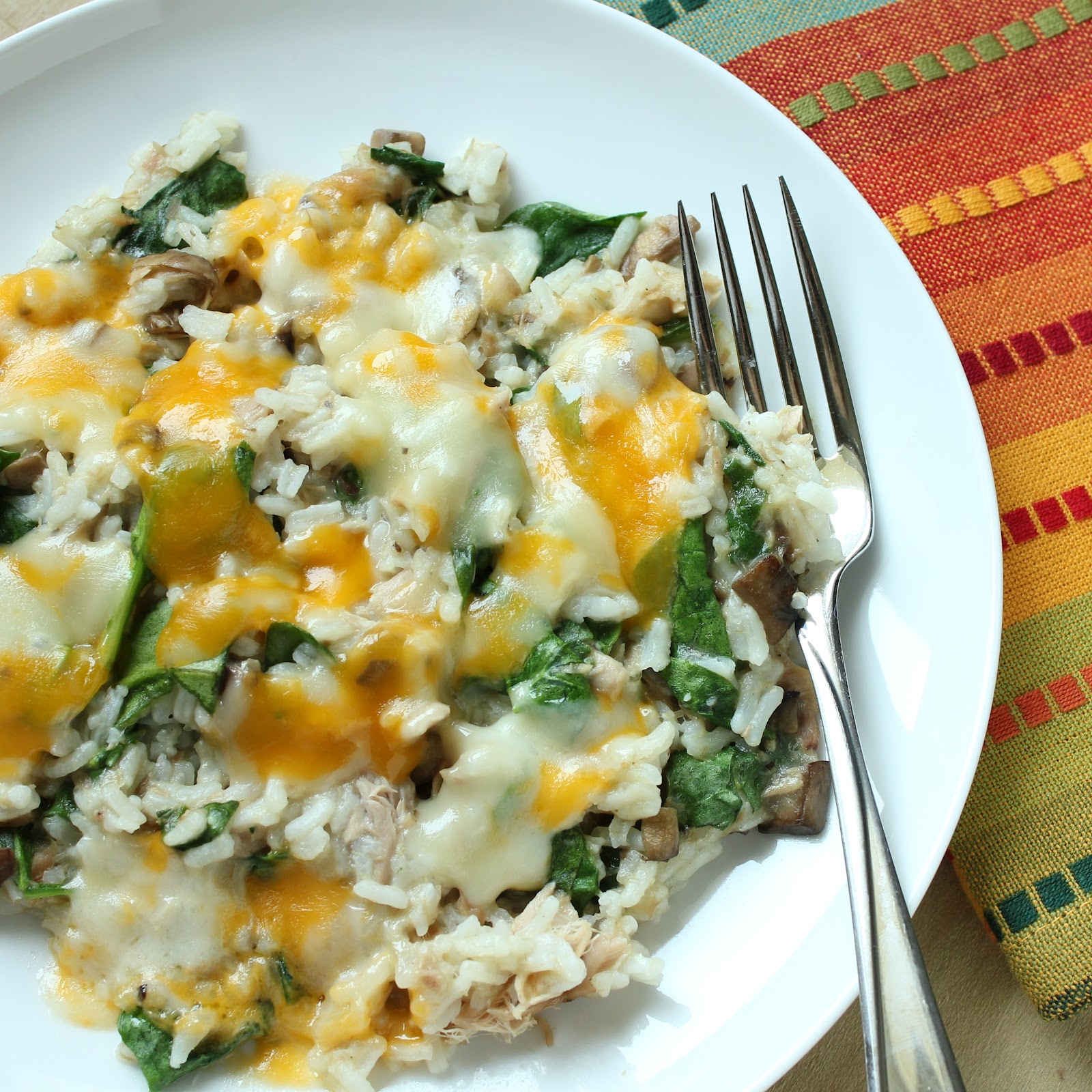
Kinda winging it, but keeping it as honest as possible to figure out nutritional information and note down what I did in case the white wine addition turns out delicious
- Carbohydrate 36.348259 g
- Cholesterol 63.3405333333333 mg
- Fat 13.6594306666667 g
- Fiber 4.55269834183852 g
- Protein 40.1677876666667 g
- Saturated Fat 7.49380163333333 g
- Serving Size 1 1 Serving (447g)
- Sodium 1281.35526666667 mg
- Sugar 31.7955606581615 g
- Trans Fat 2.2075857 g
- Calories 466 calories
Step-by-step
- Cook rice according to instructions
- Preheat oven to 350 F
- Mix Cheese soup, sour cream, milk, white wine, peas and tuna in a large bowl. Add rice and mix thoroughly.
- Pour into a 13 x 9 inch casserole dish and cook for 1 hr 10 mins
Baking this dish for one hour and ten minutes at 350 degrees Fahrenheit ensures the internal starches fully gelatinize and absorb the surrounding dairy liquids without scorching the edges. A glass 13x9-inch baking dish conducts heat differently than metal, retaining warmth longer and promoting an even crust across the surface of the casserole. Letting the baked dish rest for fifteen minutes before serving allows the melted Velveeta and cheddar soup emulsion to tighten, preventing the portions from collapsing into liquid upon plating.
Portions freeze exceptionally well for up to three months when wrapped tightly in heavy-duty aluminum foil to prevent freezer burn. Thaw frozen portions overnight in the refrigerator before reheating them covered at 325 degrees until steaming throughout. Microwaving individual thawed portions works efficiently if covered with a damp paper towel to trap steam and maintain moisture in the rice grains.
Swapping skim milk for whole milk adds necessary fat content that stabilizes the sour cream against curdling when exposed to prolonged oven heat. Dry white wine introduces acidity that cuts through the heavy richness of processed cheese and canned soup bases, though unseasoned chicken broth makes a suitable non-alcoholic alternative in equal 1:1 measure.
Applying crunchy toppings like crushed crackers or fried onions during the final fifteen minutes of baking protects them from burning while delivering necessary textural contrast. Uncovered baking during this final window allows excess moisture from the frozen peas to evaporate, keeping the casserole structure firm rather than soggy.


