Cream Cheese Lasagna
Lasagna that substitutes cream cheese for ricotta cheese. This is a recipe that I found on aspicyperspective.com
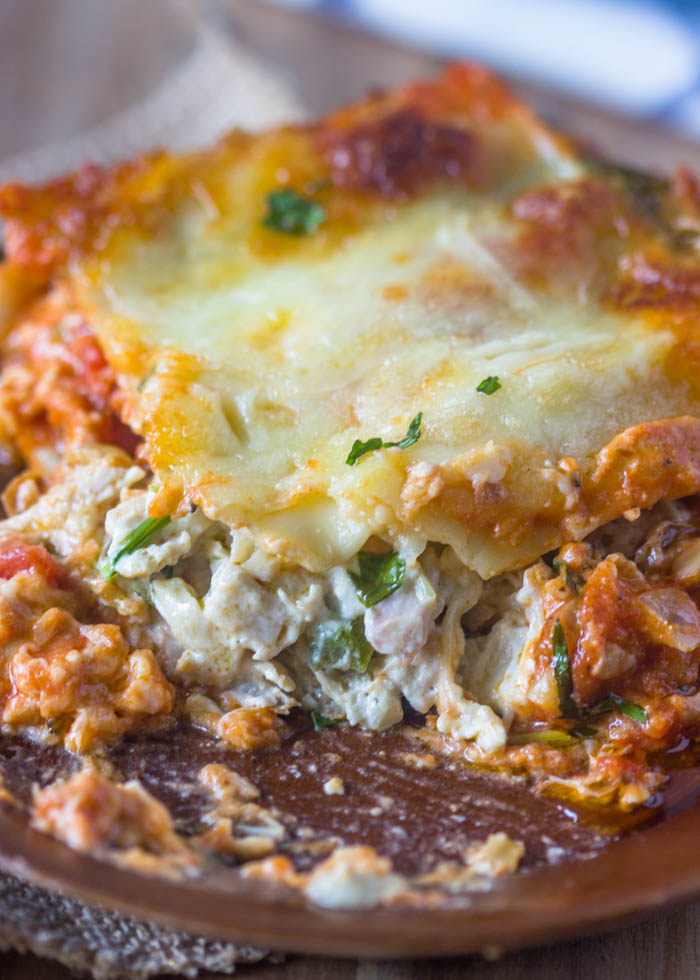
Lasagna that substitutes cream cheese for ricotta cheese. This is a recipe that I found on aspicyperspective.com
- Carbohydrate 54.2365824673203 g
- Cholesterol 150.459525 mg
- Fat 52.1162141960784 g
- Fiber 5.87097596494158 g
- Protein 35.6540939509804 g
- Saturated Fat 23.4050050083333 g
- Serving Size 1 1 Serving (385g)
- Sodium 1764.38518333333 mg
- Sugar 48.3656065023787 g
- Trans Fat 5.02658190441177 g
- Calories 832 calories
Step-by-step
- Preheat oven to 375 degrees F. Dice the onion and both green peppers. In a large sauce pan, saute the onion and about 1/4 of the green pepper. Then add in and brown the sausage over medium heat, breaking into small pieces with a wooden spoon.
- Once the meat is fully cooked, add the marinara and simmer for 10 minutes.
- Boil the noodles in a large pot of salty water, according to package instructions. Remove the noodles and lay them out on a clean dish towel.
- Spray an 9X13 inch baking dish with non-stick spray. Smear 9-12 noodles with an equal portion of cream cheese. (The number of noodles used depends on the width of the pan.)
- Start assembling the lasagna: One large scoop of meat sauce on the bottom, 3-4 noodles across (cream cheese side up), 1/3 of the mozzarella and parmesan and green pepper. Repeat. After the third layer of noodles with cream cheese, pour the rest of the sauce over the noodles before adding the last layer of the mozzarella, parmesan and green pepper. Sprinkle the top with Italian Seasoning.
- Bake uncovered for 20-30 minutes—until the cheese is toasty and the sides are bubbling. Wait at least 10 minutes before cutting.
- Lasagna is considered better the second day. If making this ahead, Cover well, refrigerate, and bake for 40-50 minutes to heat through!
Replacing traditional ricotta with softened cream cheese introduces a denser, tangier dairy profile that fundamentally alters the moisture retention and richness of the baked layers. While classical Italian preparations in the Emilia-Romagna region traditionally rely on delicate egg pasta combined with béchamel or whey-based ricotta, modern adaptations frequently experiment with higher-fat soft cheeses to achieve a velvety texture without graininess. Softening the cream cheese thoroughly before smearing it directly onto the boiled pasta sheets prevents the noodles from tearing during assembly and ensures an even distribution of fat throughout the casserole. Breaking the hot Italian sausage into small pieces with a wooden spoon while browning it over medium heat creates a uniform meat-to-sauce ratio that anchors every bite.
Balancing the heavy saturated fat content of cream cheese, sausage, and mozzarella requires deliberate acidity on the side. A crisp, raw fennel salad tossed with blood orange segments and a sharp red wine vinaigrette cuts directly through the richness of the melted dairy. Alternatively, roasted bitter greens such as rapini or escarole dressed simply with lemon juice and crushed red pepper flakes provide a necessary mineral bite to contrast with the sweet marinara sauce. These accompaniments cleanse the palate between heavy, carbohydrate-dense servings of baked pasta.
Laying boiled lasagna noodles out flat on a clean dish towel immediately after draining stops the cooking process and prevents them from sticking together in a clump. Baking the uncovered dish at 375 degrees F for 20 to 30 minutes allows the shredded parmesan and mozzarella on top to develop a golden, toasted crust while the edges bubble vigorously. Allowing the casserole to rest for at least 10 minutes before slicing is crucial, as this brief cooling window lets the internal proteins firm up so individual portions hold their shape on the plate rather than collapsing into a sauce-heavy slide.
Baking this casserole a day in advance yields superior results because the starches in the pasta fully absorb the surrounding marinara and meat juices while resting in the refrigerator. When reheating a chilled lasagna, extending the bake time to 40 or 50 minutes ensures the dense center reaches a food-safe temperature without scorching the cheese on top. Covering the baking dish loosely with aluminum foil for the first half of that extended bake time protects the surface from over-browning before the interior is completely hot.



