Strawberry Syrup
Yet another way to preserve strawberries. I bet its delicious poured over vanilla ice-cream.
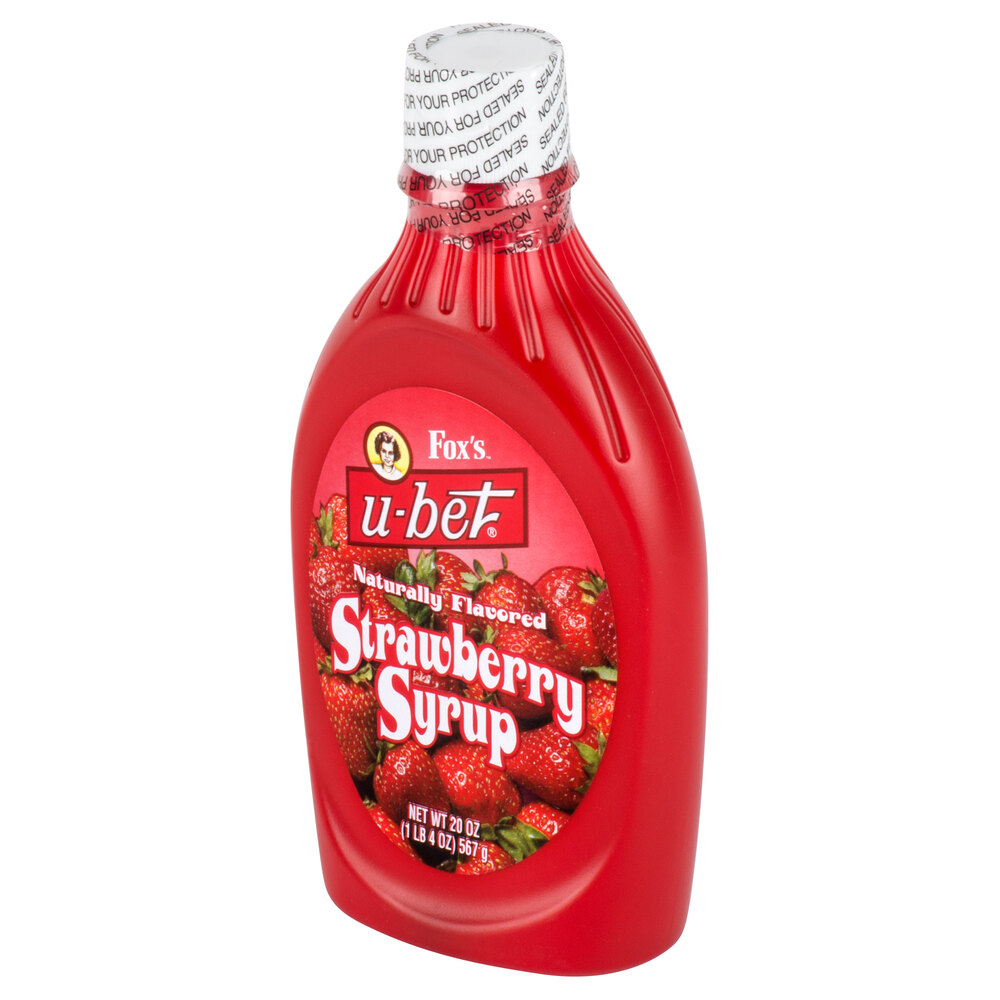
Yet another way to preserve strawberries. I bet its delicious poured over vanilla ice-cream.
- Carbohydrate 38.5653583336843 g
- Cholesterol 0 mg
- Fat 0.1875 g
- Fiber 1.27033333365259 g
- Protein 0.43806666668212 g
- Saturated Fat 0.009375 g
- Serving Size 1 1 Serving (102g)
- Sodium 0.712864583374 mg
- Sugar 37.2950250000317 g
- Trans Fat 0.054375 g
- Calories 150 calories
Step-by-step
- Crush the clean and dry strawberries in a bowl with small amount of water and the juice of one lemon.
- Place the bowl over a pan of boiling water for 1 hour.
- Sieve the mixture through a juice bag or fine-meshed sieve.
- Measure the amount of juice, pour into a pan and add the correct amount of sugar.
- Boil up the juice and the measured sugar, stirring constantly until the sugar is dissolved.
- Remove any foam and allow to simmer for 4-5 minutes.
- Bottle the syrup in sterilized containers and seal tightly.
Will this thin liquid ever transform into a real syrup? That doubt surfaces right around the time the strained juice looks watery in the pot. Achieving the proper viscosity requires respecting the ratio of 400 grams of sugar per 5 deciliters of extracted juice. If you skimp on the sugar, the mixture will not thicken during the final four-minute simmer.
The Heat Trap and Pectin Degradation
Direct boiling destroys delicate fruit aromatics and turns bright red juice dull brown. Using a double boiler setup provides gentle, indirect heat over the one-hour cooking window. Crushing the fruit beforehand releases cellular contents while the added lemon juice supplies necessary acid. Acid lowers the pH, which helps preserve the pigment and assists in setting the final consistency. If a traditional juice bag is unavailable, a damp cheesecloth lined inside a fine-mesh metal colander works as a substitute.The Final Simmer and Impurity Removal
Stir constantly during the boil to prevent scorching the high sugar load at the bottom of the pan. Skimming the pink foam from the surface ensures a clear, translucent end product rather than a cloudy preserve. Pour the hot liquid directly into sanitized glass jars sealing them immediately to maintain vacuum integrity. Correctly bottled fruit syrups keep safely in a cool dark pantry for several months before opening.


