Grilled chicken with the tangy taste of lemon and mayonnaise.
- Carbohydrate 6.71137125 g
- Cholesterol 142.613 mg
- Fat 10.3794575 g
- Fiber 0.298612494438887 g
- Protein 54.87605875 g
- Saturated Fat 1.8895905 g
- Serving Size 1 1 Serving (268g)
- Sodium 312.337 mg
- Sugar 6.41275875556111 g
- Trans Fat 1.1315805 g
- Calories 351 calories
Step-by-step
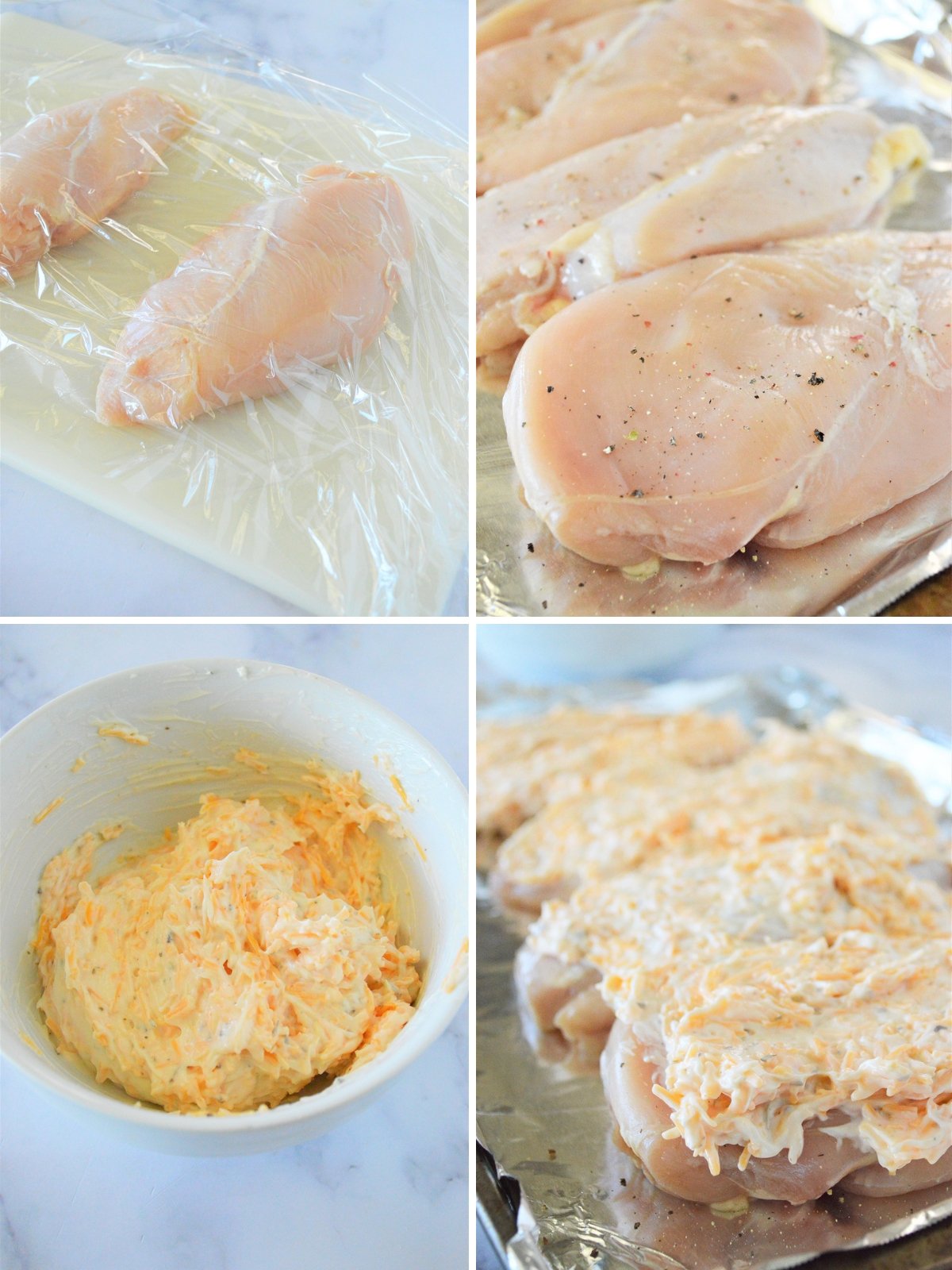
- Combine the first 6 ingredients in a bowl. Refrigerate for up to 3 days.
- Before grilling, preheat grill. Rub chicken with salt and pepper.
- Use the mayonaise mixture for basting turning chicken every 5 minutes or until cooked.
- Enjoy. =)
Using an emulsion like mayonnaise as a primary grilling medium works because the fat acts as a barrier against moisture loss while the oil droplets suspend aromatics directly against the meat. Many cooks ruin this technique by applying the sauce too early in the cooking process, allowing the sugars in the garlic and the dairy proteins in the condiment to burn long before the interior reaches the safe internal temperature of 165 degrees Fahrenheit. Mayonnaise is fundamentally composed of oil and egg yolks, meaning it behaves differently than sugar-based barbecue sauces or thin citrus marinades over direct flame. When applied too thickly at the start, the heavy coating insulates the protein improperly and prevents the essential Maillard browning required for deep flavor development. Reserve the mixture for the final stages of cooking, or apply it incrementally during the basting phase while turning the pieces every five minutes to manage the heat exposure. Fresh rosemary and minced garlic easily scorch when exposed to sustained radiant heat exceeding 400 degrees, so keeping a spray bottle of water nearby helps control unexpected flare-ups caused by rendering fat dripping onto the coals. Pairing this rich, tangy poultry with an acidic grain salad or a sharp vinegar-based slaw balances the dense fat content and cuts through the heavy mouthfeel of the cooked condiment.


