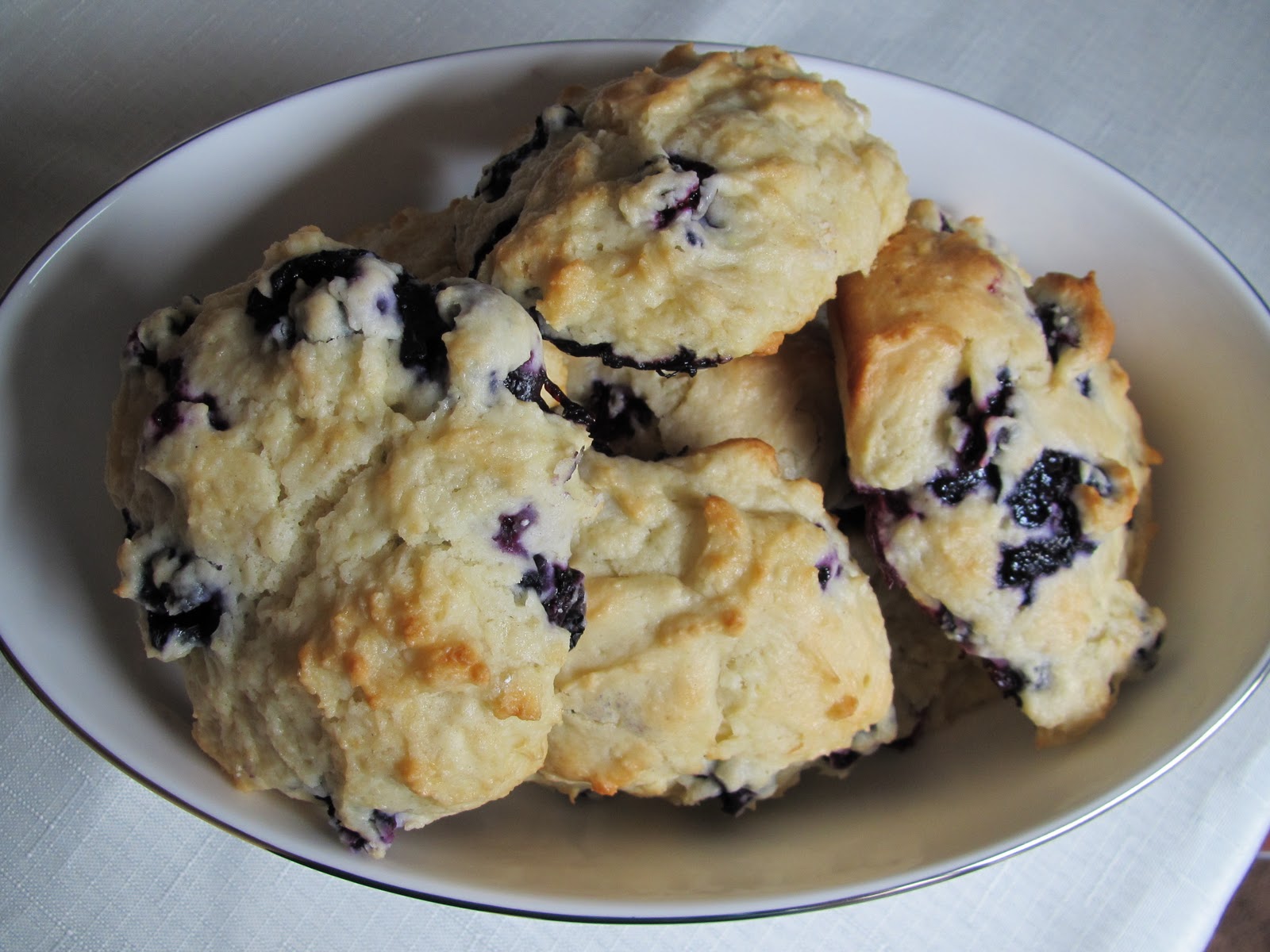
Delicious and fun to make with kids.
- 1/4 teaspoon salt
- 1 large egg
- 2 tablespoons milk
- 2 teaspoons baking powder
- 1 tablespoon sugar
- 1/2 teaspoon vanilla
- 3/4 cup whole wheat flour
- 3 tablespoons oil
- 1 1/4 cups all purpose flour
- 1/2 cup powdered sugar
- -- glaze --
- 1/2 cup milk (i had to use 2 more tablespoons)
- 3/4 cup blueberries (i used frozen)
- Carbohydrate 257.980753239693 g
- Cholesterol 214.55 mg
- Fat 51.3576894659927 g
- Fiber 18.253625323004 g
- Protein 36.9191174068409 g
- Saturated Fat 5.34289214768251 g
- Serving Size 1 1 recipe (552g)
- Sodium 821.502713195903 mg
- Sugar 239.727127916689 g
- Trans Fat 3.82364626933429 g
- Calories 1614 calories
Step-by-step
- Heat oven to 400 degrees.
- In a bowl whisk the dry ingredients. In another bowl measure the egg, milk and oil and whisk. Add the blueberries to the dry ingredients and toss to cover with flour. Mix in the wet ingredients.
- On a floured surface scoop out the dough and pat it into a circle. Cut into 8 wedges. Bake for 20 minutes. Drizzle with glaze.
Why does the dough turn into a sticky paste instead of shaping cleanly? The moisture from frozen blueberries combined with oil creates a slack dough that resists handling. Tossing the fruit in a portion of the flour mixture before adding liquids absorbs excess surface water and prevents the berries from bleeding prematurely. Keeping the fruit frozen until the exact moment of folding protects the crumb structure from collapsing into purple streaks.
Baking at 400 degrees requires a heavy baking sheet to insulate the bottoms of the wedges from burning before the center sets. Pull the scones from the oven precisely at the twenty-minute mark when the edges turn a pale golden brown and the interior reaches complete doneness. Letting them cool entirely on a wire rack prevents residual steam from softening the crust during the resting phase.
Freezing these baked pastries works exceptionally well for meal prep when done correctly. Store them in an airtight container for up to one month without sacrificing structural integrity. Thaw individual portions at room temperature for thirty minutes before attempting any warming method.
Revive the texture by placing thawed scones into a 350-degree oven for five minutes. Avoid the microwave entirely because it transforms the tender crumb into a rubbery, dense mass. Whisk the powdered sugar glaze right before application so it sets into a crisp shell instead of dissolving into the warm pastry.



