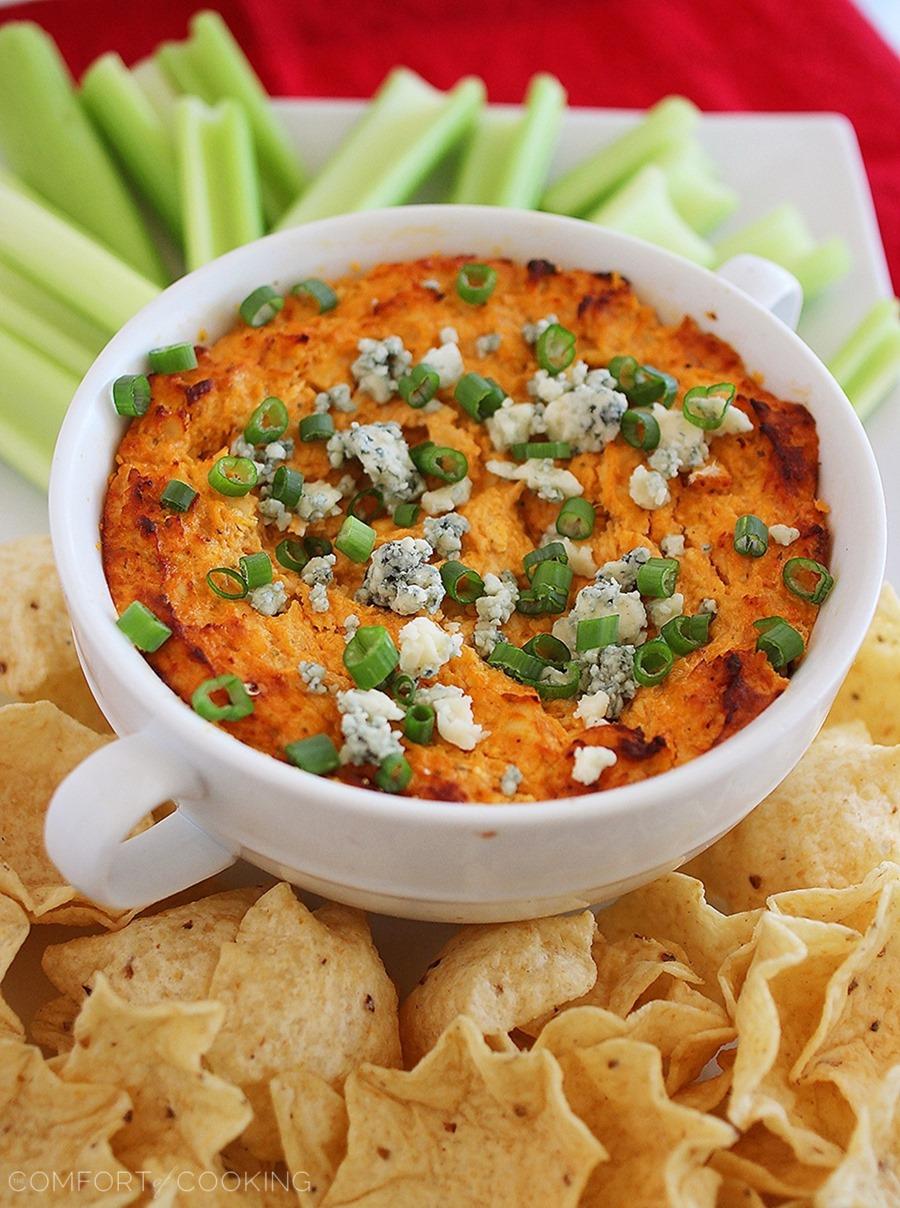
For a 13x9 pan (you can cut recipe in half to do an 8x8 pan)
- Carbohydrate 155.60657875488 g
- Cholesterol 187 mg
- Fat 111.18758876928 g
- Fiber 12.0201982269794 g
- Protein 27.74842279592 g
- Saturated Fat 39.616161276936 g
- Serving Size 1 1 Serving (397g)
- Sodium 1500.511938008 mg
- Sugar 143.586380527901 g
- Trans Fat 11.378716456648 g
- Calories 1690 calories
Step-by-step
- Put softened cream cheese into mixing bowl and mush it up-room temp makes it easier to mix-you can microwave if you can’t leave it out of the fridge (I used a whisk attachment on my mixer this year & it worked wonders!)
- Mix in dressing (anything other than Hidden Valley Brand doesn’t taste right)
- Drain chicken and crumble into mixture (there will be small clumps of cream cheese throughout-this is normal-they will melt a little in the oven)
- Add Red Hot to taste (I use almost half the bottle for the 13x9 pan)-color should be orangey
- Spread into pan evenly
- Cover with an even layer of sharp cheddar cheese (about 6-8 oz for the 13x9 pan)
- Bake at 350 until the cheese is melted (about 8-10 mins)
- Best served at room temp & serve with tortilla chips
Using cold cream cheese instead of softened dairy is the primary error that ruins hot dips by creating stubborn lumps that fail to incorporate. Room-temperature dairy allows the fats to emulsify smoothly with the vinegar-based hot sauce without breaking the emulsion under heat. Baking this mixture at 350 degrees Fahrenheit for 8 to 10 minutes provides just enough thermal energy to melt the sharp cheddar topping without releasing excess moisture from the canned chicken. Whisking the cream cheese with a mechanical mixer incorporates air pockets, yielding a lighter texture than hand-stirring alone.
Balancing Fat and Capsaicin
Capsaicin, the active compound providing heat in hot sauce, is fat-soluble. High-fat components like cream cheese and sharp cheddar bind to capsaicin molecules, mitigating the sharp burn on the palate and distributing heat evenly across the tongue. Vinegar, the primary solvent in hot sauce, cuts through the dense dairy fats, preventing the palate from fat fatigue. Draining canned chicken thoroughly removes excess water that would otherwise thin the emulsion and turn the dip watery during baking.Structural Accompaniments
Sturdy corn tortilla chips provide the structural integrity required to scoop dense, baked cheese dips without breaking. Fried or baked corn masa contains sufficient structural rigidity and low moisture content, contrasting with the soft, emulsified dip.


